Chiedza, Zimbabwe: From being out of school and getting to university

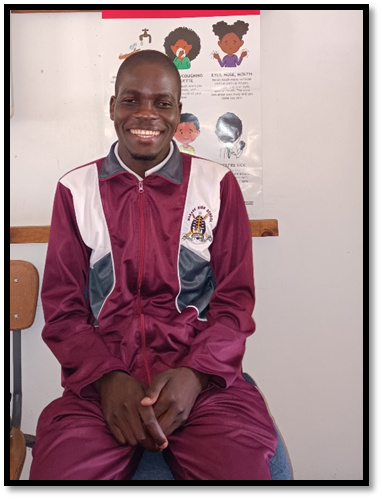
Kunashe and Tinotenda were five years and three years old when their mother passed away. Their father later remarried but life was difficult and the boys struggled to get educational support. When they were in Grade 7, they stopped going to school for one and a half years. When community volunteers identified them as not attending school, they were referred to Chiedza. The organisation understood their situation, decided to support them and they were enrolled into Form 1. The brothers received support until they passed their ‘O’ levels at the first attempt. Chiedza then sent them to attend ‘A’ level classes at Harare High School. They have passed their exams and are waiting for the results in August. More recently, the brothers have said “we are so grateful to Chiedza for their support, they restored the hope that we had lost and now we are looking forward to a brighter future as we await entry into university.” 

The brothers have applied to the University of Zimbabwe. Tinotenda has applied for a course in forensic psychology and criminology as his first choice and his second choice is criminology and society. Kunashe has applied for a course in media and marketing communication and his second choice is multicultural heritage and tourism. Tinotenda wants to be a psychologist after he completes university and Takudzwa wants to join the tourism sector.
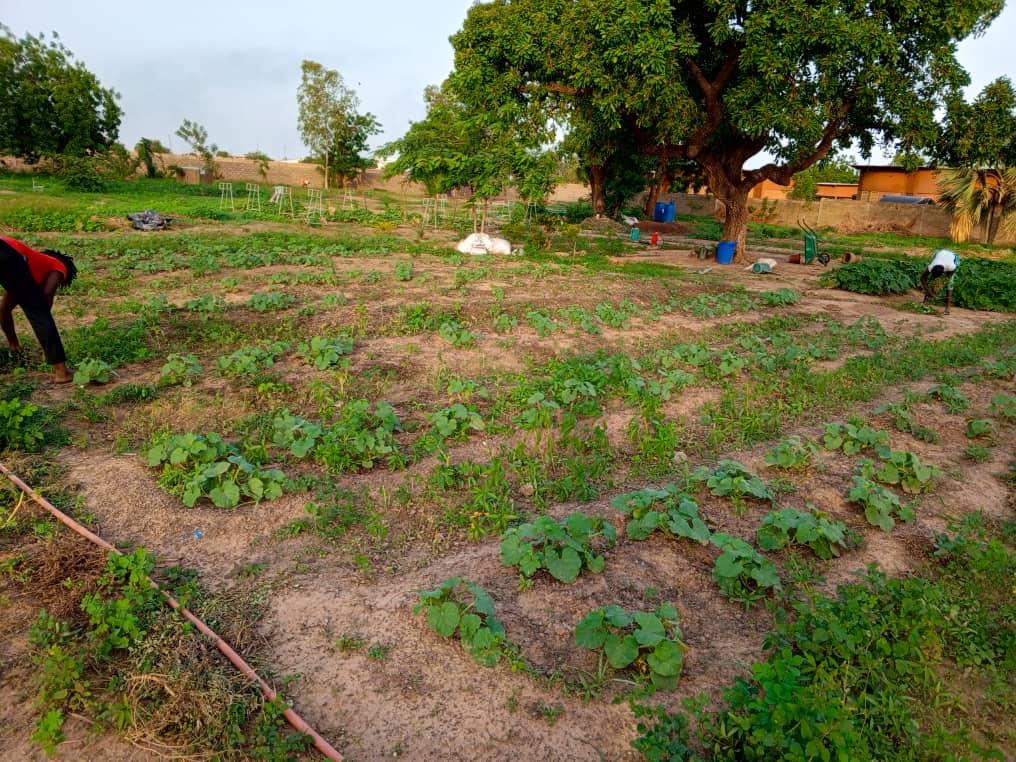
Keoogo, Burkina Faso: The produce from the market garden is benefiting the village

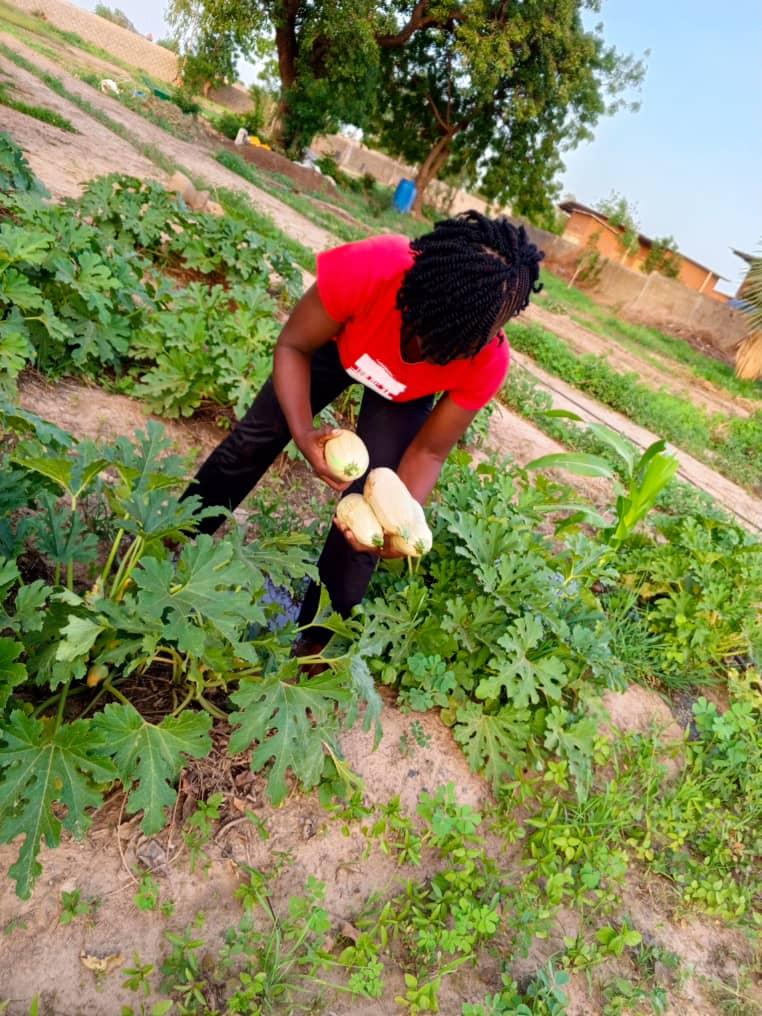
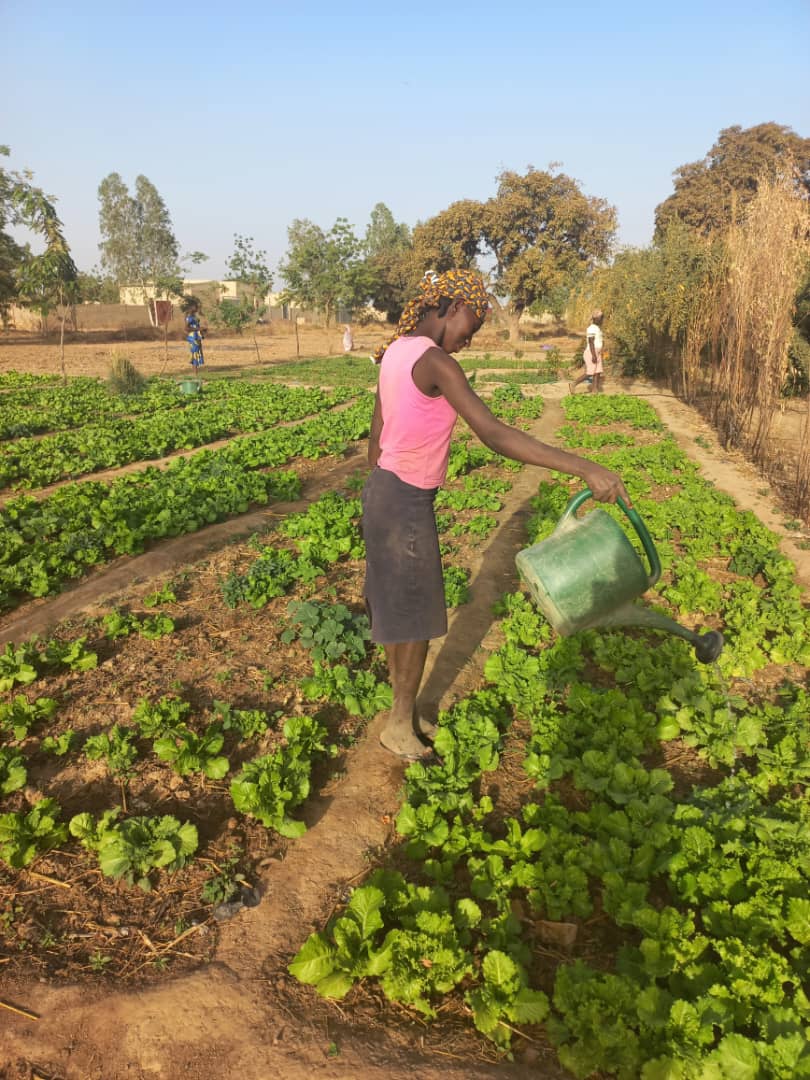
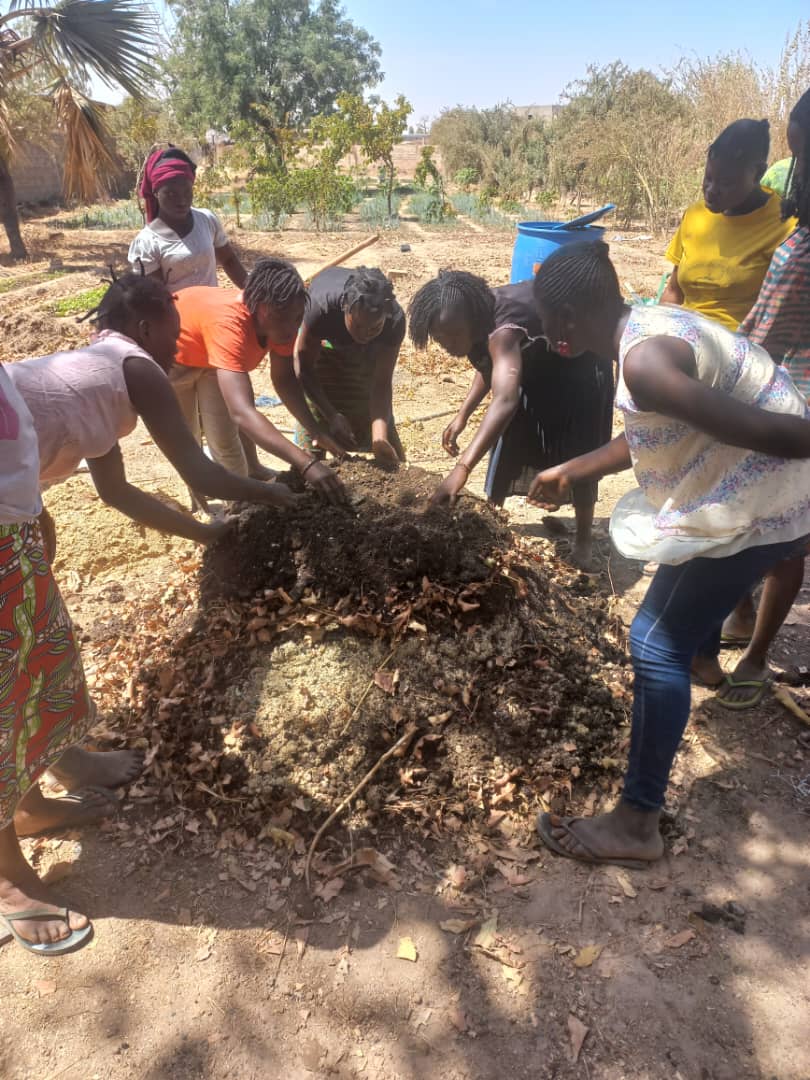
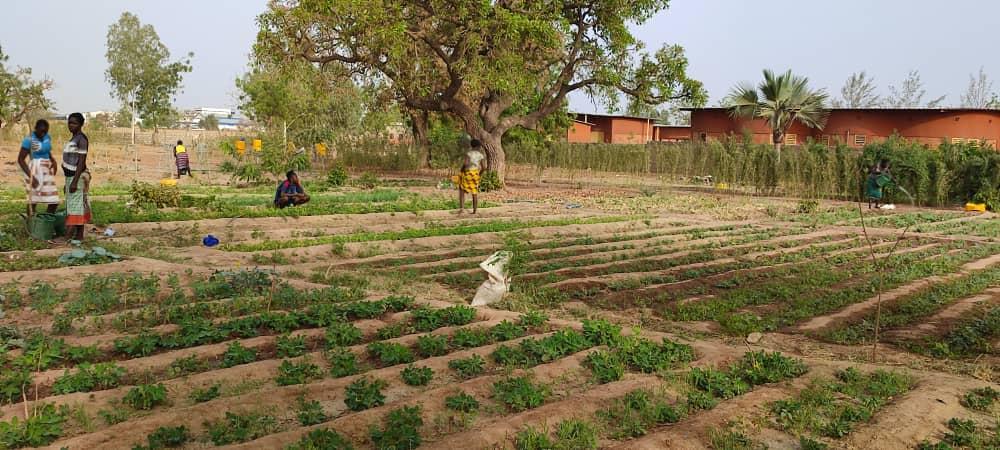
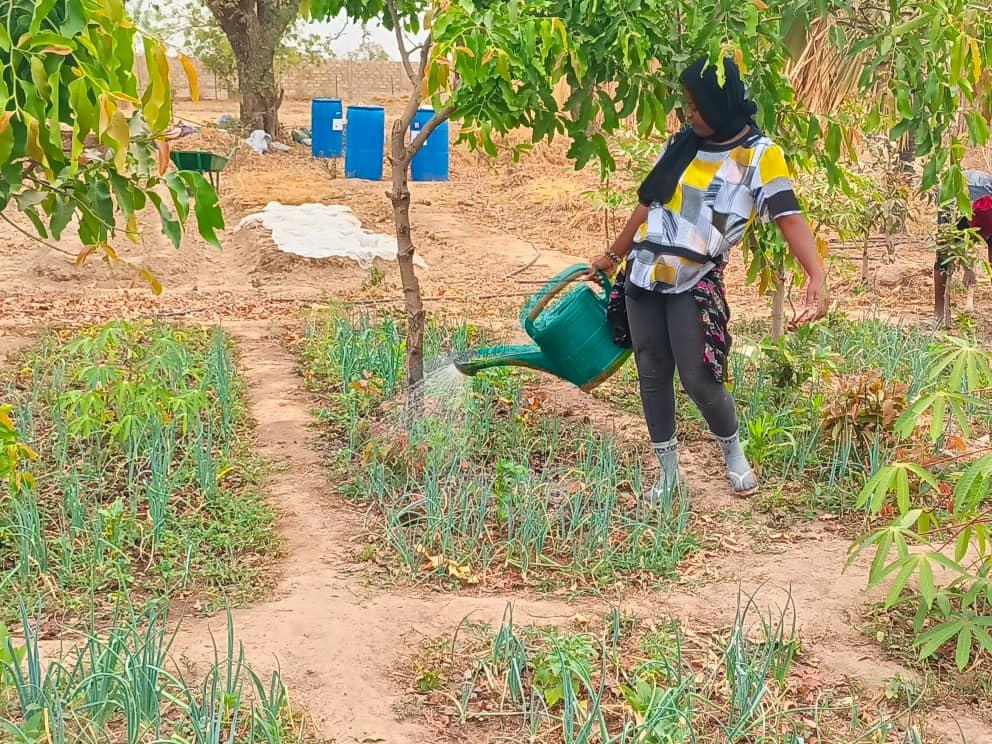
The market garden project continues to develop well. Twenty two young mothers are currently being trained to ensure the continuity of the programme. The training is provided by a former resident of the village who was recruited by Keoogo as an agro-ecological facilitator. She is supervised by the Euro-African Association for the Anthropology of Social Change and Development (APAD), which specialises in agro-ecological market gardening. The training continues to consist of a practical phase, in addition to raising awareness of the interactions between plants, animals, humans and the environment. Accompanied by the facilitator, the new trainees learn how to make compost, design beds, plant nurseries, transplant plants and treat plants with neem leaf and ginger.

For the second phase of the project, the aim is twofold, that of creating a nursery to make the garden as independent as possible from external seed purchases so that from next year, the budget for seed purchases will be very low. In addition, we aim to speed up planting by preparing seedlings in our nursery and consequently seeds have been purchased for the first harvest of this second phase of the project. An effort was made to acquire organic or agro-ecological seeds.

New beds have been planted in the garden and existing beds have been integrated into the overall cultivation plan. As before, each young mother was given responsibility for a certain number of beds, for watering, weeding, hoeing and staking, and for all the other operations required for cultivation. A crop association and rotation system was established.

The major innovation in this second phase of the project is undoubtedly the development of management tools to record and monitor data generated by the garden in order  to weigh and quantify all the vegetables and fruit produced by the garden. These are then distributed to the nursery school for the children’s snacks and to the kitchen, to improve the diet of the young mothers and their children. By the end of the year, this information will enable us to know the annual production of the garden; add value to this production; know whether production meets consumption needs or what particular vegetables or fruit are missing; find out whether there are any surpluses to launch another economic activity, and if so, which one. The production and distribution for the school and the kitchen are being monitored by the garden coordinator and the Keoogo administrative manager. 

The young mothers who left the village are still being monitored. Of the thirty six who received training and then returned to their families: eleven have found jobs; seven are on training courses; ten are continuing their baking activities and eight are now living outside Burkina Faso.

Chiedza Child Care Centre Zimbabwe, Harare: Getting Children Back Into School

Update on the seven children funded through the ICT Relief Fund and the Rotary Club of Coventry. We continue to feature profiles of children on the project.

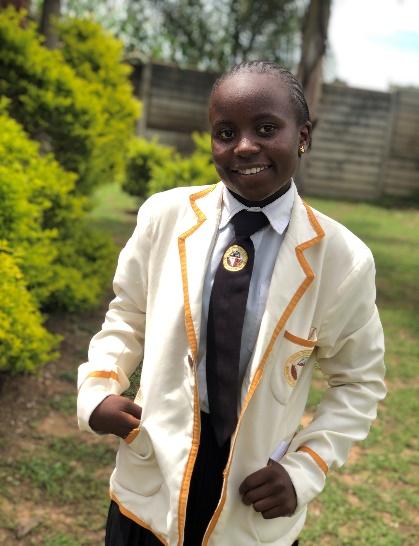
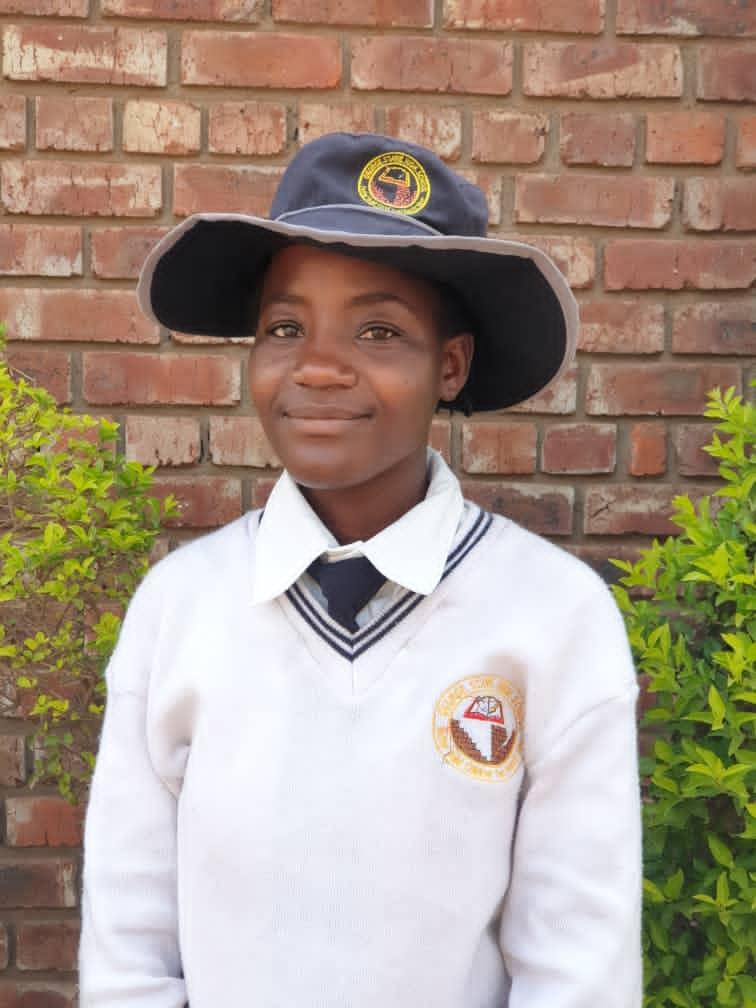
Chenai is now 18 years of age and is one of the bright students who has benefitted from the Chiedza out-of-school project. Before she came to Chiedza, she had dropped out of school after completing primary school because her mother was not able to afford the fees for secondary school. Chenai was then helped by Chiedza to access secondary education and in 2021 sat her final Form 4 examinations with the Zimbabwe Schools Examinations Council and passed in five GCSE level subjects, including Combined Science and Geography. She is currently studying ‘A’ levels in Family and Religious Studies (FRS), Sociology and History at George Stark High School and says “I am working hard to pass my exams with ‘A’ grades because I want to study social work at a university in the United States.”

C:\Users\Administrator\AppData\Local\Microsoft\Windows\INetCache\Content.Word\IMG_1972.jpg

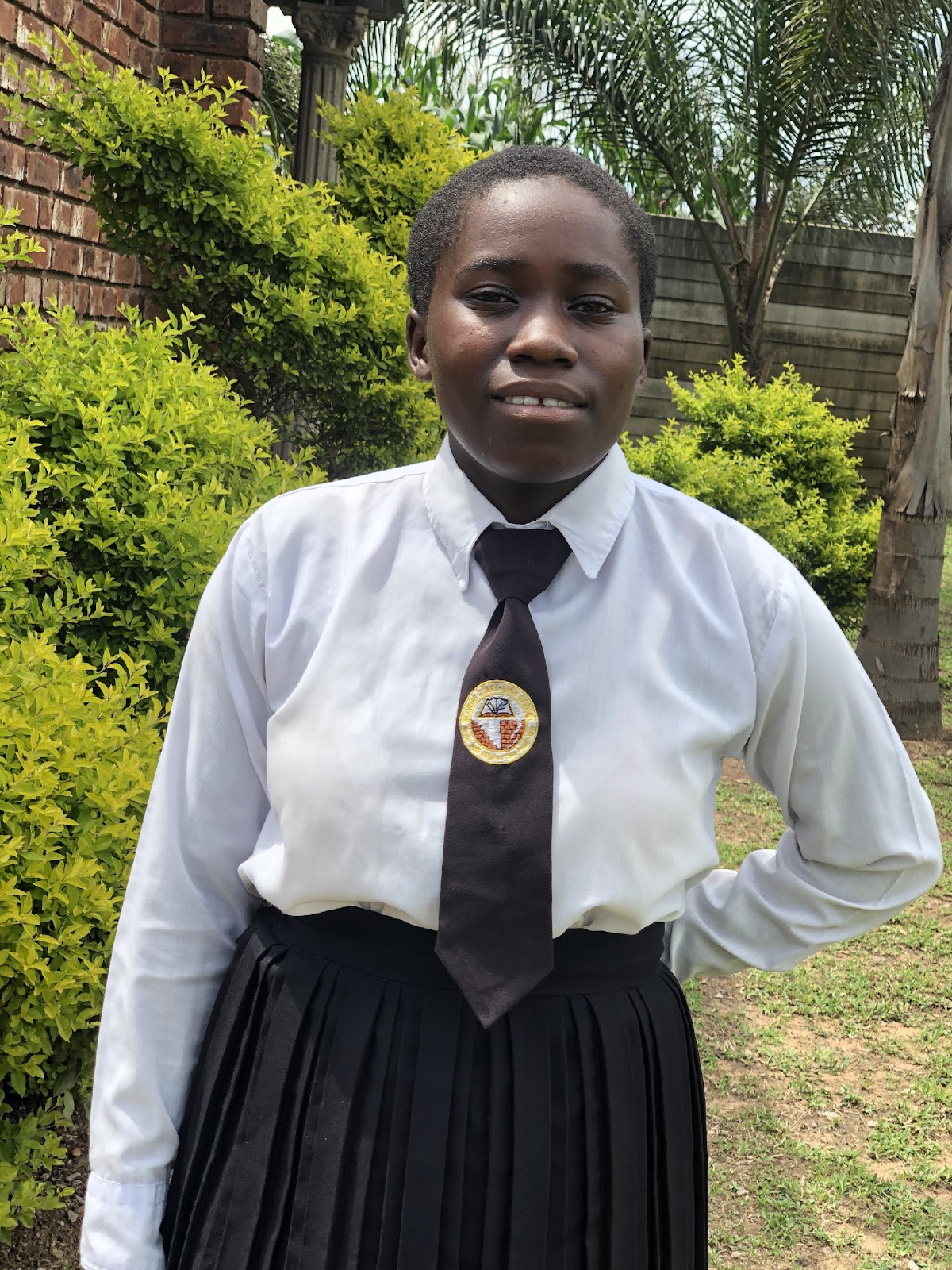
Marbel is now 18 years old and says “My father is the breadwinner in our family and when he lost his job in 2022 and could not pay my school fees, I was on the verge of dropping out. I was about to sit my final GCSE examinations too, but fortunately, Chiedza contacted me and everything changed for the better. I started going to school again, sat my GCSEs and passed in eight subjects including Mathematics and Combined Science.” Marbel is now studying Family and Religious Studies, History and Sociology at Advanced Level. In the future, Marbel wants to pursue Law at university and become a lawyer. She is quoted as saying, “l want to put all my efforts into school work and be successful so that I can  help other vulnerable children.”

Keoogo: Progress of Young Mothers Since Leaving the Beoogo Tienbo Village, Ouagadougou, Burkina Faso

The reintegration of the thirty-six young mothers into their families after their training at the village is going very well. All these young women continue to be monitored by the training manager and an educator from Keoogo and this will continue for two years. The six young mothers who received training in baking are still pursuing their businesses. Two of them have gone back to school in the evenings to take the equivalent of GCSEs (BEPC) and if they pass, they will be able to progress to higher level exams/vocational training if they wish to. Both these young mothers have paid their own fees using the profits from the sale of their cakes. The other four young mothers continue to do well with their cake sales and now manage to support their children and pay for their school fees.

Out of the thirty-six young mothers who have left the village, twelve are baking and selling cakes, one is involved in catering, two are working in nurseries as monitors, one is doing an internship in a local nursery, one is working  in a pharmaceutical depot in Ouagadougou and another is working in a provincial pharmacy. Three have become community health workers in health and social care centres, three are involved with sewing work, with support from Keoogo, seven are continuing their schooling and five have got married and live with their husbands outside Ouagadougou. In addition, one young mother has become an agroecology facilitator and is employed by Keoogo in the village. She is currently in charge of training fourteen new girls in market gardening. The poultry farming activity was temporarily suspended after the girls left the village because maintenance became difficult. We are in contact with Vétérinaire sans Frontières to restart the activity and continue training.

There are twenty-two new young mothers in the village at the moment – six are enrolled in high school, including three in the examination class for the preliminary certificate and three in the intermediate class, two more are training outside the village, one in community health and one as a pharmacy auxiliary. They leave in the morning and return to the village in the evening. The other fourteen young mothers are doing market gardening at the moment. The next round of baking training has not yet started.

Youth Alive: Changing the Narrative In Industrial Trades in Northern Ghana

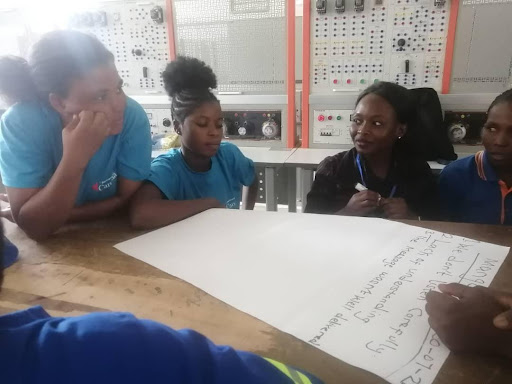
Youth Alive has already supported close to 2,000 young people in offering Vocational Skills Training (VST). More recently, Youth Alive has been granted a four-year (2021-24) contract with WEE-North of Alinea Foundation to train 500 young women at specific technical training institutes because they are unable to continue to higher education due to poor academic results or financial constraints.

ICT is currently investigating ways to support twelve young women between the ages of 18-24 and living in the rural Upper East Region of Ghana, through a similar technical training programme.

Keoogo: Helping Girls Improve Their Living Conditions in Burkina Faso.

The reception and training village for young mothers in Keoogo enrolled thirty six girls for training. Thirty one of these girls have now been reintegrated into their families and five will do so in December. Fourteen new girls were enrolled between September and October and five more will do so in December. 

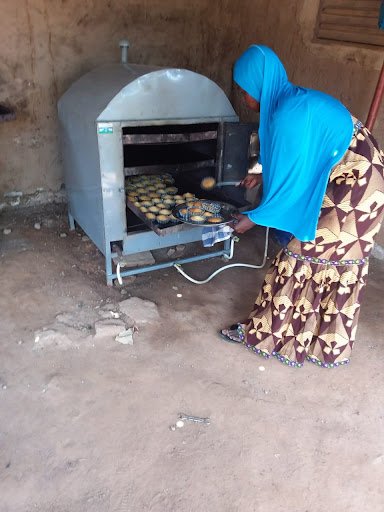
The introduction of poultry farming and market gardening in the village have made it possible to have more eggs, meat and vegetables to improve the diet of the mothers and their children. In  following up the six girls who were given baking kits to use at home, we have noted that the baking course has served as a reintegration tool for them as most of them are now able to live from their activities and are more fulfilled. It is also gratifying to see that other girls have managed to acquire locally made ovens with the income from their baking activities. Thanks to these new ovens, their earnings have improved and the majority of these young mothers are able to meet their needs and those of their children.

A new baking course will start again very soon. The theoretical part will be taught by the original trainer, but the practical phase will be taught by girls who have already set up their own businesses and are doing well.

In order to continue to train new girls in market gardening and poultry farming, a young mother who has already completed the training was recruited on behalf of the village. She is now in charge of these two activities and is responsible for training all the new girls.

Chiedza Child Care Centre Harare: Sponsoring a Child’s Education

Zimbabwe - Chiedza textbooks

The seven learners sponsored by ICT are going to two different public (state) day schools but because secondary education is not funded by the government, support is needed to cover their school fees. Three students will be sitting for their final high school national ‘A’ level examinations between October and November of this year. 

In 2021 The Ministry of Primary and Secondary Education introduced Continuous Assessment Learning Activities (CALA) for examination classes and this year to pre-examination classes. Four of the learners that are being supported are concentrating on doing the CALAs which have become part of the examination requirement by the Zimbabwe Schools Examination Council (ZIMSEC). 

It is encouraging to note the enthusiasm shown by all the supported learners as they feel that they now have hope for a better future through education.

“I am 19 years of age. I am a Form 6 student at Harare High School. Chiedza Child Care Centre has been paying my school fees since 2016. Not only have I had financial support but I have also received social support in the form of guidance and counselling, plus clothes and stationery. I am so grateful to Chiedza as they have helped me to achieve my long term goal of pursuing ‘A’ level courses. I am looking forward to doing a degree in social work at the University of Zimbabwe after sitting my exams.”                                                                                                                  

“My journey from Form 4 to ‘A’ levels. Firstly, I would like to thank Chiedza Child Care Centre for giving me the opportunity to go further with my education. I came here when I was in Form 2 and now I am in Form 5. I don’t know how to express it but I am so glad for the care and support which I have gained from the organisation – I have become ‘someone’ through the centre. I am specialising in arts subjects; including Shona, history and family and religious studies and I am studying at George Stark High School. ‘A’ levels are difficult but the solution is to read widely through this level because if you relax it is easy to fail. When I have finished my education, my dream job is to become a social worker.” 

Youth Alive: Radio discussions on COVID-19 Protocols + Getting Vaccinated.

As the number of COVID-19 cases began dropping in Ghana in January 2022, the Government,  in consultation with the COVID-19 Management Team and the Ghana Health Service, relaxed restrictions. Unfortunately, in Northern Ghana many people chose to ignore their advice to continue to practise preventative measures and this led to health workers and other health professionals raising serious concerns. There was a call for a more cautious approach and the need to heighten public awareness about the continued existence of the virus and the importance of following the main COVID-19 protocols.

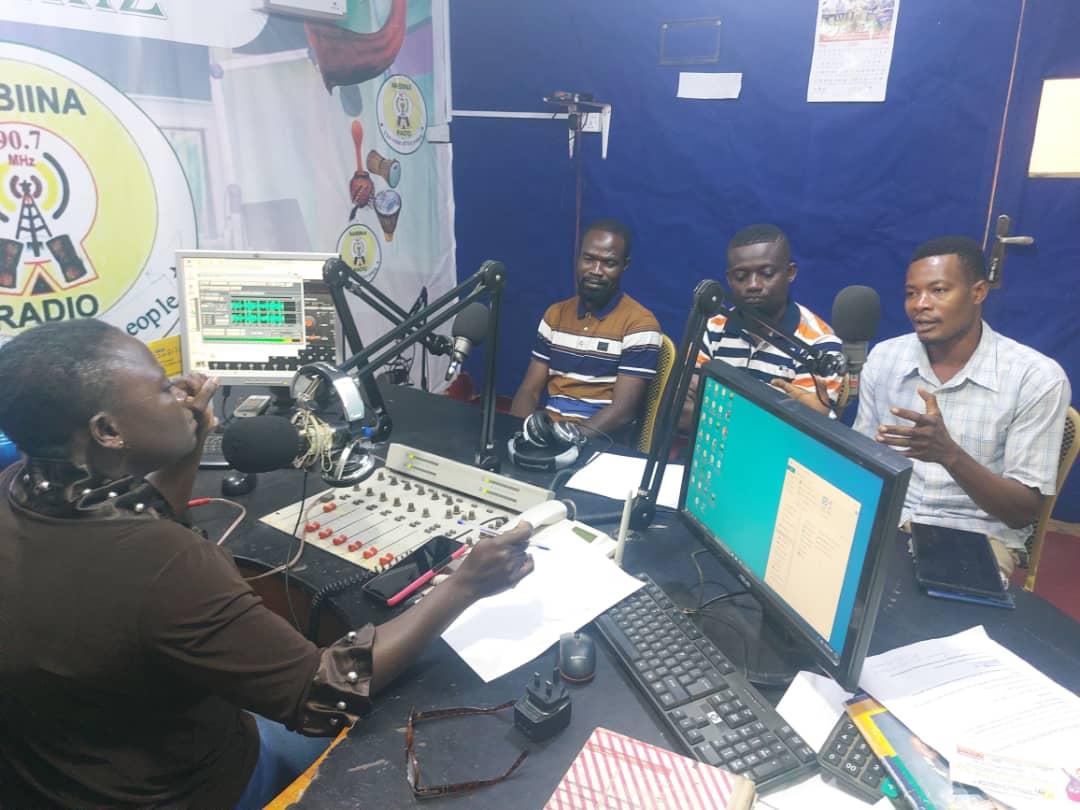
With support from the ICT COVID Relief Fund and the Rotary Club of Coventry, Youth Alive was able to collaborate with the Ghana Health Service and undertake public education to raise awareness in rural communities, through the medium of radio. At three local radio stations, the Ghana Health Service was provided with eight slots of one hour per week for over a month.

The Nabiina Community Radio (FM) broadcasts in the Upper East Region, Lawra FM in the Lawra Municipal area and the Gangaa FM station in the Jirapa Municipal area. Led by the Covid-19 Management team of the Ghana Health Service, these educational programmes were broadcast in the local languages and English. The public had 15 minutes out of the one hour for Q&A for further clarification or to make contributions. In addition, a jingle was written and sung in the local languages. It was played twice a day on the three radio stations to reinforce the message of the programmes. 

Callers appreciated this initiative and the need to remind people of the various precautionary measures that needed to continue to be taken. Both male and female callers used this opportunity to ask the health professionals about the nature of the virus and the possible side effects of the vaccines, particularly for pregnant women. Callers also asked for the location of the vaccination points in their  communities.

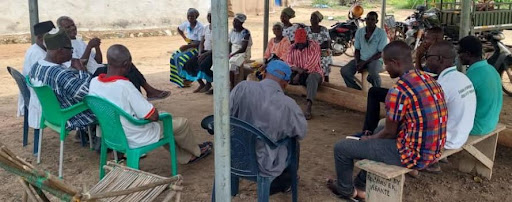
Small community group meetings and house to house visits were also carried out to facilitate and enhance public compliance with the preventative measures. These meetings took place in six communities and a total of 96 people, made up of 52 females and 44 males participated.

Many of those attending the meetings were members of the ‘Community Development Committee’ who had been tasked to spread the message about the radio programmes in their various communities. As a result of this specific project, many people accepted the need to continue to follow the COVID-19 protocols and to get vaccinated.

Chiedza Child Care Centre Harare: Empowerment Through Education.

Below is a story about a girl who progressed from our out-of-school programme and is currently training in ‘Early Childhood Development Education’.

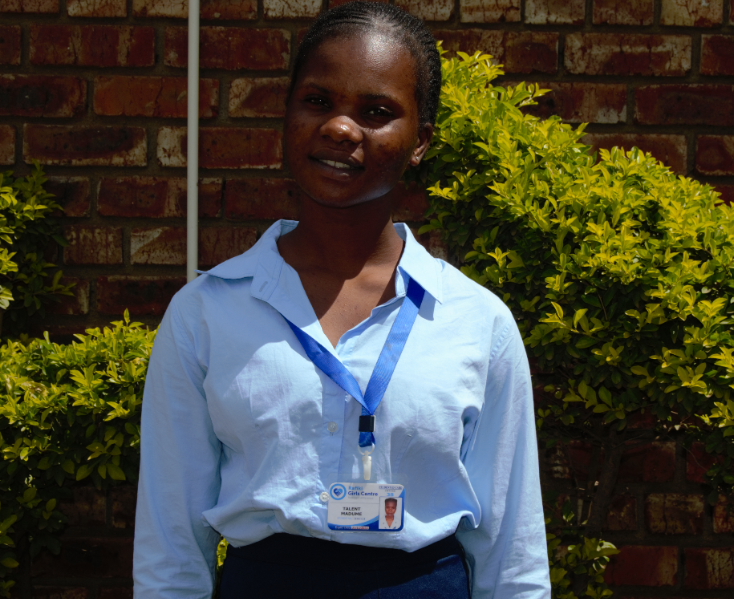
Talent is a 20 year old girl whose parents separated when she was still an infant. Growing up, she lived mostly with her maternal grandmother because her mother survived on informal trading and was rarely able to take care of her daughter. Talent dropped out of school after completing her primary education. When she was identified by a community volunteer as being out of school she started accessing education at Chiedza out-of-school programme. She remained supported until she sat her GCSE examinations in 2020 and passed in four subjects. When Talent’s mother became ill and bedridden, Talent was the only person available to care for her so she could not take up the offer of retaking some GCSE subjects in order to proceed to ‘A’ level courses. More recently, Talent opted for vocational training and is currently enrolled at the Rafiki Girls Training Centre and following an early childhood development training course. Talent very much appreciates all the support and mentorship she has received and continues to receive from Chiedza Child Care Centre, as it has helped her to become the person she is today. 

She is quoted below.

“I want to thank all the Chiedza staff for the loving care that they extend to us children. If it was not for Chiedza I don’t know where I would be today. Most of my friends dropped out of school due to early marriage and pregnancies but the counselling we have had has helped to shape my life choices. I am grateful for all the support and I can foresee a brighter future for myself and my grandmother.”

C:\Users\CHIEDZA CHILDCARE C\Desktop\Report 2022\Talent Madume.PNG

Keoogo: Market Gardening, Poultry Farming and Baking Training in Burkina Faso.

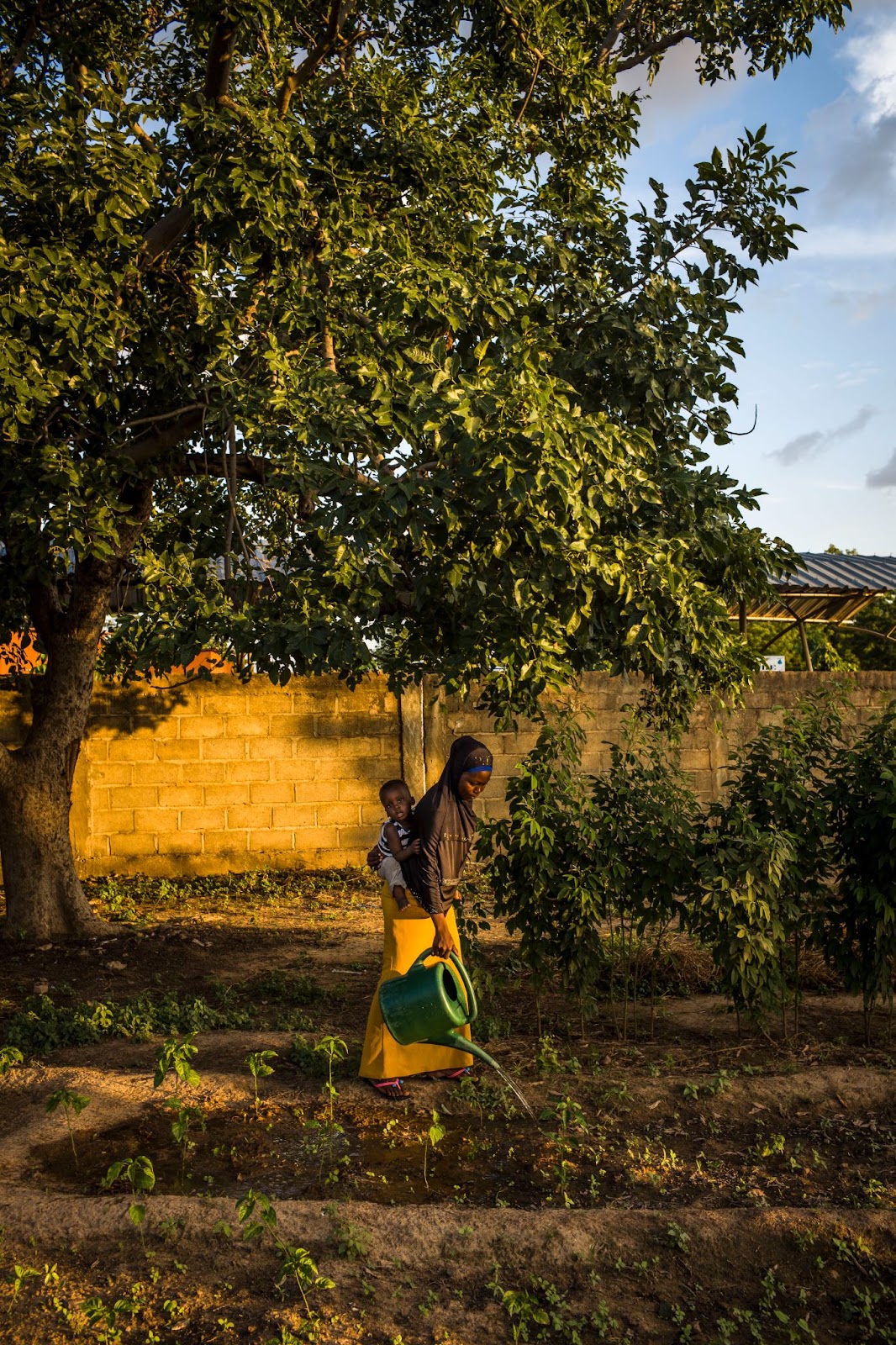
Market Gardening. Maintenance and monitoring activities continue to mobilise the thirty six young mothers who are living in the village of ‘Beoogo Tienbo’ in the North of Ouagadougou. The agro-ecology market garden has really taken shape and the following plants can be seen: sorrel, tomatoes, beans, cabbages, okra, lettuces and melons. These plants were chosen based on the dietary needs of the girls at the Keoogo village. The girls have already begun to eat produce from the vegetable garden.

When each girl returns home with the necessary tools and seeds to set up their own market garden and to sell their produce, they will be replaced in the village by other girls from the surrounding community, who will also receive similar training.

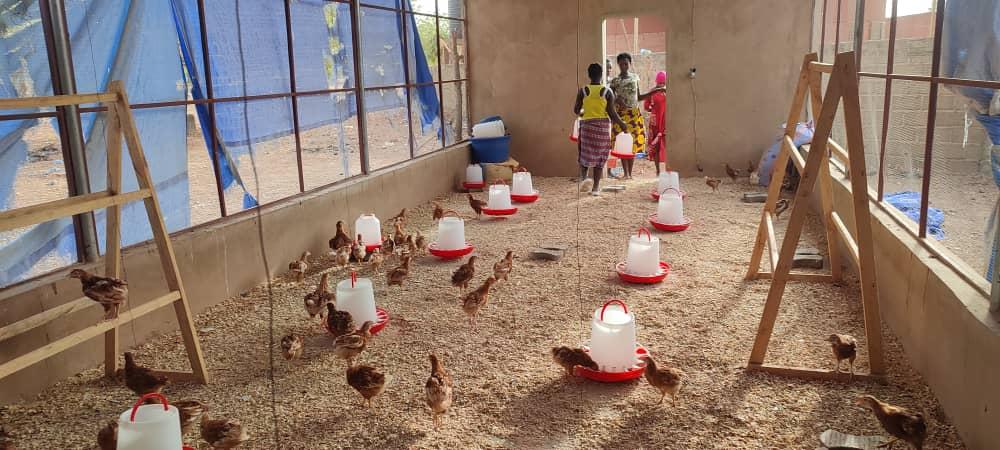
Poultry Farming. All the girls have completed their training. The chicken house has been functioning for a while and the chicks have grown. We will soon have eggs in the village that will be eaten by the girls and their children. The girls are very enthusiastic and totally dedicated to looking after the chickens.

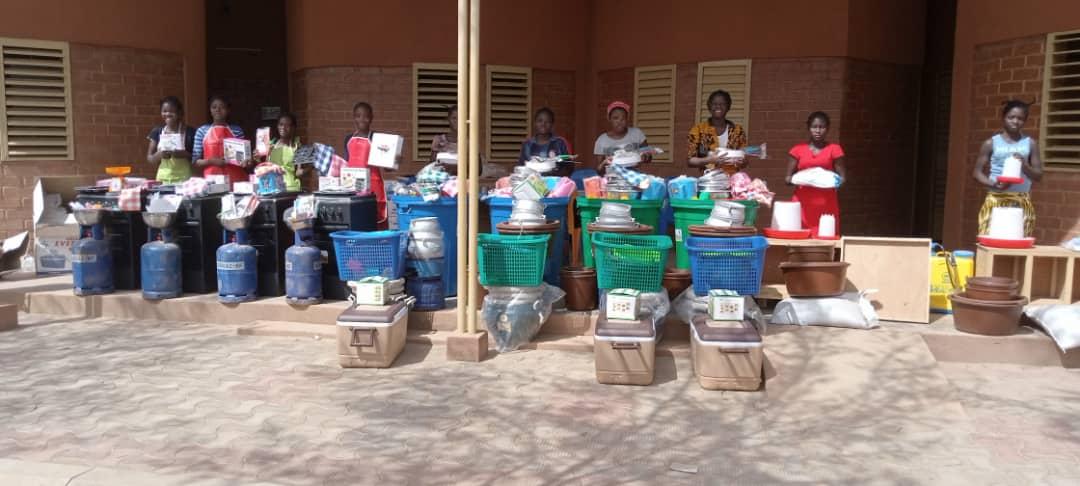
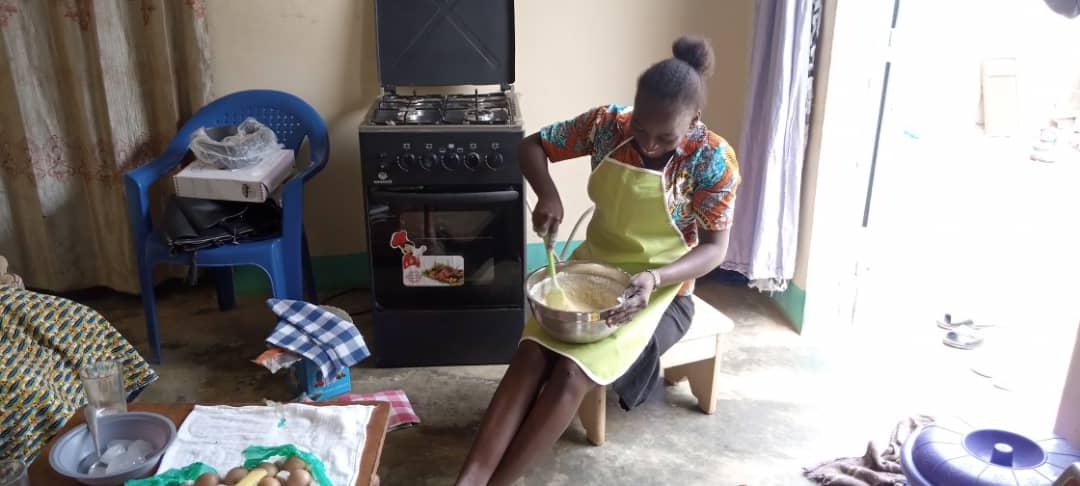
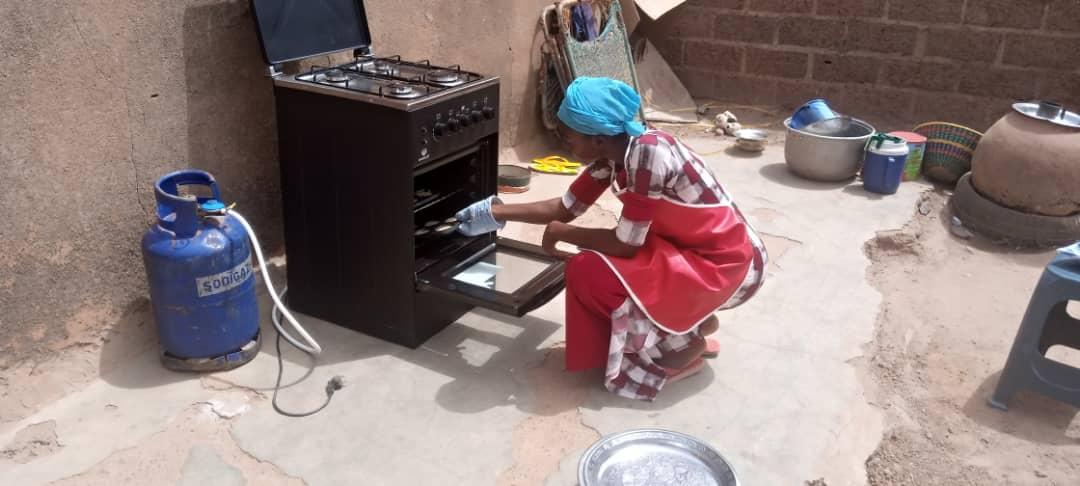
Due to the COVID-19 pandemic, reductions in international aid funding have had an impact on our partner’s financial capacity to continue to provide education and livelihood opportunities to vulnerable girls. Funding was therefore provided by the Rotary Club of Coventry and the ICT COVID Relief Fund and this allowed six girls to set up small bakery businesses. 

Sets of equipment and baking kits were delivered to the girls which included; an oven, a gas bottle, a whisk, stainless steel bowl, weighing scales, piping bag, pastry bags, a spatula set, utensils set, cake moulds, turntable, loaf tin, oven mitt, apron, towels and raw materials (flour, butter, milk, sugar, eggs, yeast etc.).

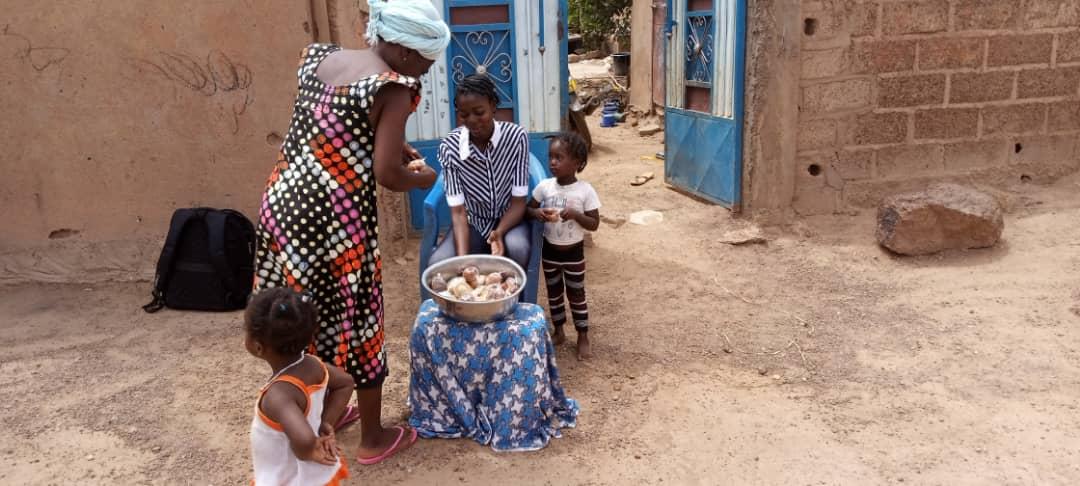
The girls have returned to their families and most of them have started an income-generating activity with the kits that they received and are now baking and selling their products. Two teachers will continue to monitor their progress.