JUCONI  Mexico, Puebla: Safe school environments – Final outcomes and recommendations

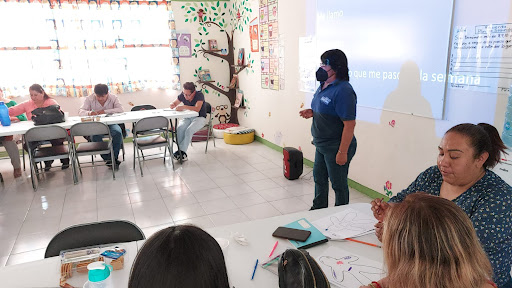
The project was carried out from September 2022 to March 2023 in Puebla, Mexico. The activities and workshops varied depending on the needs of different schools, their teachers and the resources available. The schools were chosen based on where JUCONI’s target population is located, so that teachers could get to know about the work of the foundation and become part of its impact by learning how to create positive and safe relationships with their students and  replicate safe spaces at school and at home. 

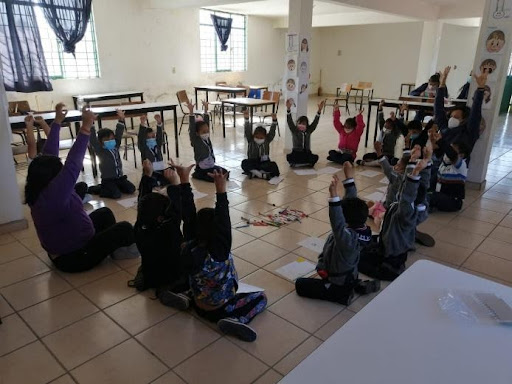
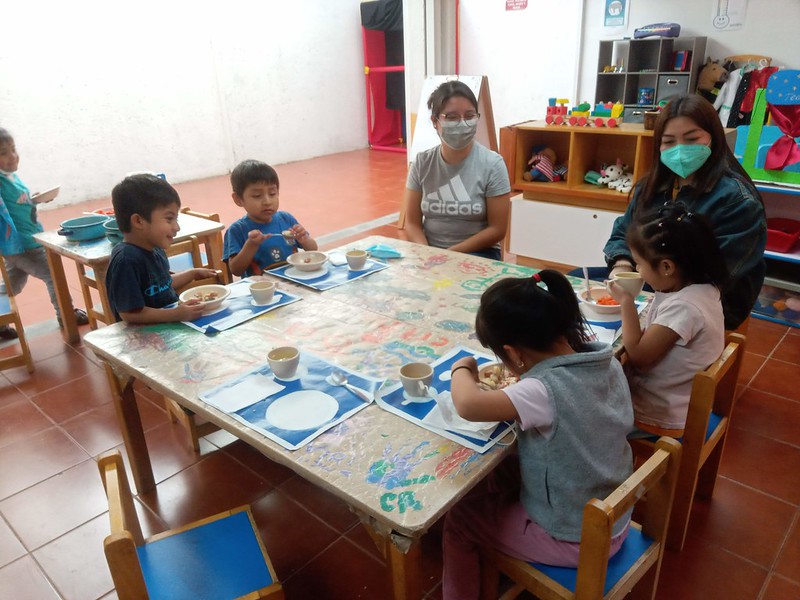
Ultimately, workshops were organised at two preschools + seven primary schools, involving a total of 3245 children – 1623 girls + 1622 boys. One hundred and forty teachers attended – one hundred and seven females and thirty three males. At one primary school, staff from JUCONI also delivered oral reading sessions for eighty four girls and eighty four boys.

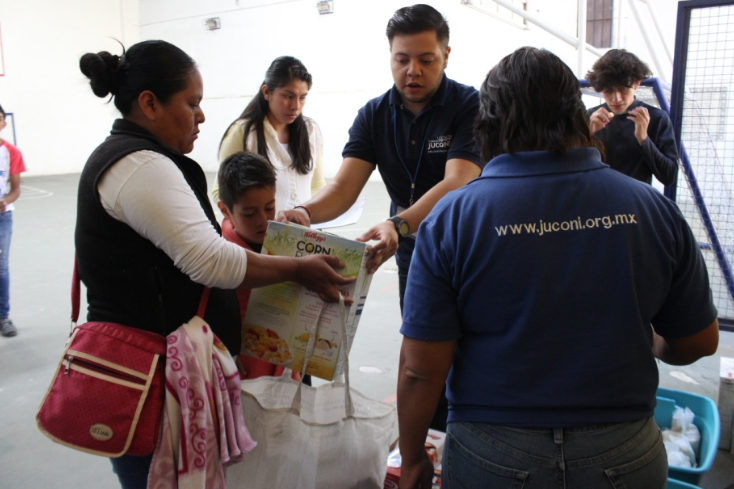
Workshops for caregivers were also crucial for the development of this project because they complemented the ideas being taught by teachers working at the preschools and primary schools. In total, one hundred and fifty two caregivers attended – nineteen men and one hundred and thirty three women across the two preschools + seven primary schools.

During the series of workshops, it was satisfying to see the evolution of responses coming from teachers and caregivers as they considered the importance of the relationships that they have with their pupils/children. The input by participants was taken seriously and by the end of the programme we were pleased to hear people reaffirming the importance of generating safe spaces, practising emotional validation, maintaining order and recognising that the cleanliness of these spaces also helps children to become calmer and to feel supported and heard. 

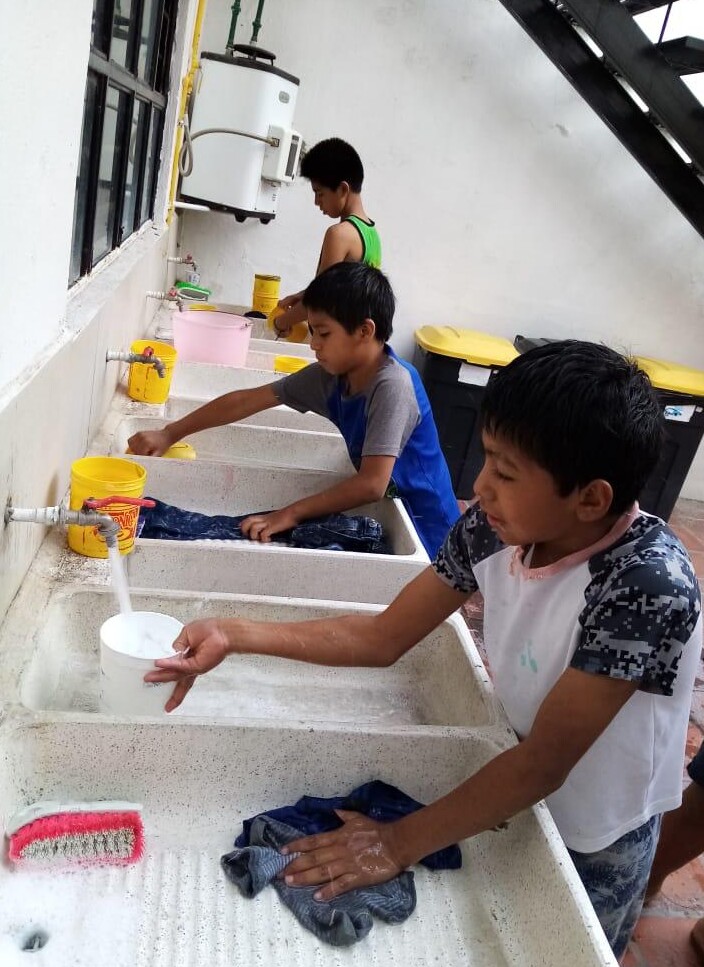
There were also several challenges, some of them not related to the direct implementation of the project but which impacted on the groups. For example, in some schools there were problems with the water supply (which have now been improved) but this highlighted the fact that basic health and safety facilities were not always guaranteed. Some teachers reported that they felt overwhelmed with what was being asked of them in their role as educators in addition to experiencing a lack of participation by their students’ caregivers. This feeling was echoed by a number of teachers but thanks to the workshops they have started to take the initiative to implement actions to improve the safety of their students. For example, they have reorganised their classrooms and planned their lessons to reduce the probability of risks and danger. They have also generated coexistence and containment agreements between teachers and students as well as teachers and caregivers.
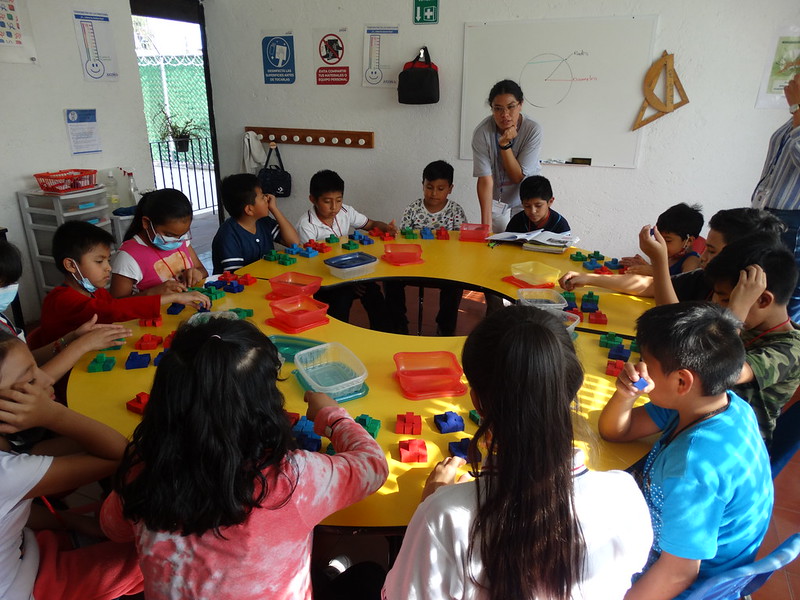
The project highlighted a number of recommendations that included the need for school management and government teams to recognise that schools can become additional support networks if appropriate work is done with teachers around ‘safe spaces’ and with intervention via organisations like JUCONI. In addition, the importance of identifying the basic health and safety needs that schools have e.g. proper access to water and electricity supplies, a quick response time when dealing with the repair of broken windows/furniture etc., since the lack of these means that schools are not safe for staff, pupils and anyone wanting to visit to do inservice training. Finally, there is a need for a sufficient number of specialised personnel, such as psychologists, to be available to support both pupils and staff in achieving positive outcomes.

JUCONI Mexico, Puebla: Working Through Emotions to Make State Schools Safer

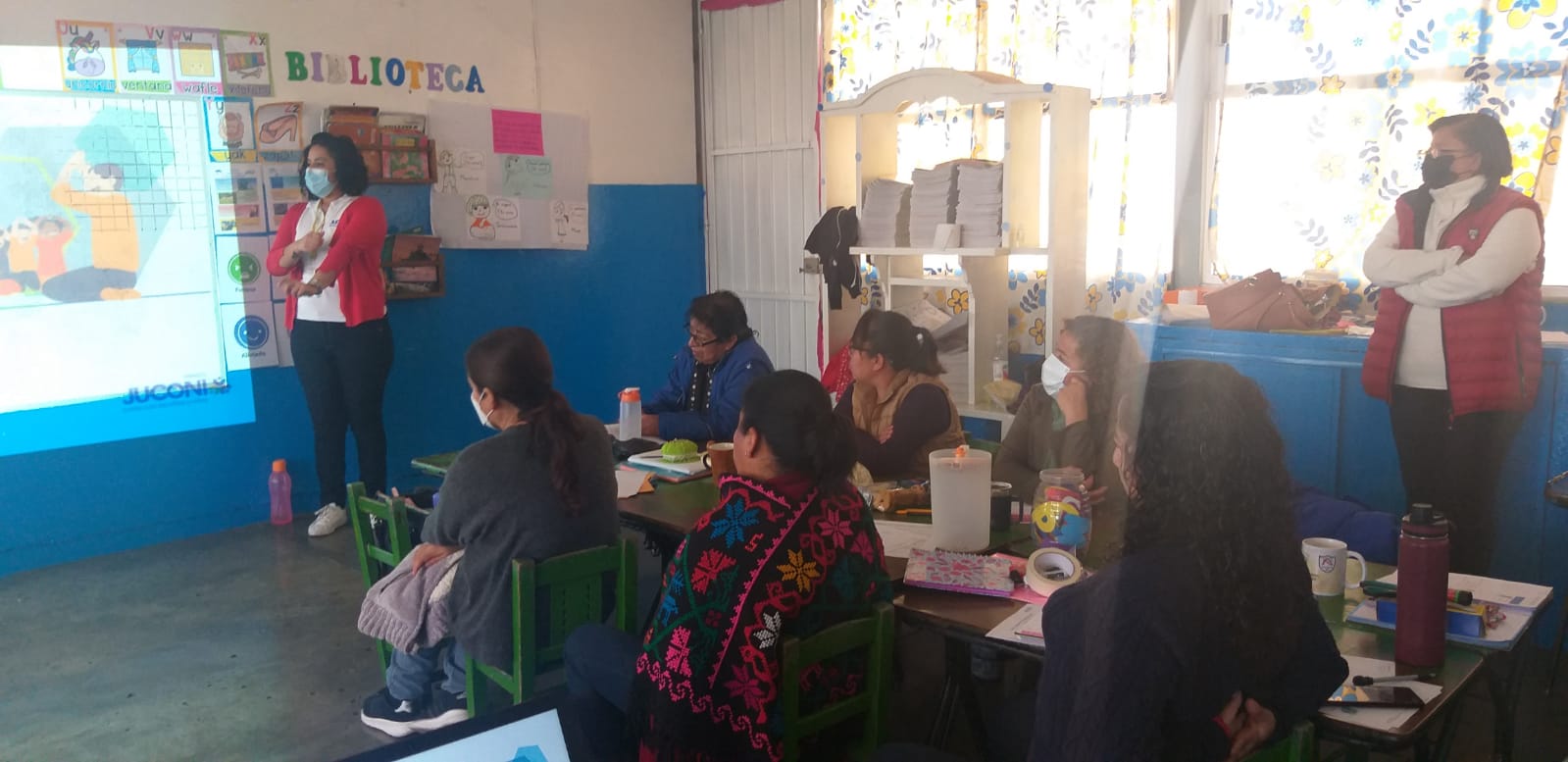
This workshop programme has evolved with an emphasis on the importance of emotions and the way in which both students and staff manage them in order to promote learning. It is very hard for children to focus or connect with classroom content if they feel worried, sad or over-excited. The same is true for teachers, and their management of their classroom can dictate how effectively they are able to teach their students. 

For this reason, the workshops implemented by JUCONI in preschools and primary schools have continued to provide children and teachers with the tools to manage their emotions and to make schools safe spaces to learn and work. 


The teachers who have attended the workshops are making use of the ‘emotion’s thermometer’, which is a visual tool for helping young children put a name to their feelings and their emotional intensity. Teachers have also participated in developing a ‘personal security plan’ for their schools.

During feedback, a teacher mentioned that “The workshops really make me think about my students and reflect on how their emotions might affect their academic performance.” Another teacher said “I have found the topics covered by the workshops to be very appropriate and I think that these tools will help us and our students greatly.” 

All participants would like to have more workshop sessions because they believe it is important to explore the tools for managing emotions in greater depth due to the responsibilities that they have in their roles. A teacher concluded that “This kind of workshop contributes to the security of not only teachers and students, but of all members of the school community.” 

During the past few months, JUCONI has worked with four schools resulting in sixty-six teachers attending our workshops. As a result, approximately 1041 children have directly benefitted from them.

JUCONI Mexico: Upgrading Education Facilities to Provide Safe and Non-violent Learning Environments in Puebla.

JUCONI’s workshop programme has been successfully implemented and is now being rolled out and welcomed by teachers in other primary and nursery schools in Puebla, Mexico. The utmost importance of working with teachers in the first instance has been recognised by school principals and encouraged them to seek guidance from JUCONI. Throughout the workshops, JUCONI has helped teachers to understand what safe spaces are, the requirements for them to exist and to reflect on how change and security start with themselves. 

During one of the workshops, a participant commented that the content of the course was really focusing on teachers and helping to develop self-care tools that made them feel safe, so that they are able to replicate similar behaviour and conditions with their students. 

Each workshop includes five base sessions, with two additional sessions for case studies, which are optional. They occur on a weekly basis or once every two weeks and have a duration of 1hr. 40 mins – 2 hours. They usually take place in the mornings/early afternoons or at a time suited to school timetables and teacher availability. During the pandemic, the workshops were online, but since the beginning of 2022 JUCONI has been able to have in-person meetings. A trainer from the JUCONI team runs the sessions and is sometimes helped by a college student doing community service. 

The content of the workshops includes explanations and elements of a safe environment and a set of tools for teachers to implement in terms of their personal safety both inside and outside the classroom, alone and with their students. In addition, teachers learn that a safe school environment does not only involve physical safety, but also psychological, moral and social. Some of the tools that teachers are introduced to are; the ‘emotions thermometer’ with illustrations of emotions, a ‘safety plan’, gaining access to the community + community activities and specific plans of action. 

Five schools will have received the workshops by the end of the second semester of 2022, amounting  to a total of nine schools for the year. This includes three primary schools, with thirty five teachers undertaking the training and approximately 1064 children benefitting. The workshop has already been implemented in one nursery school, with nine teachers doing the training, and 177 children benefitting. The other nursery school will implement the workshop starting in mid-November and finishing in January 2023. 

The response from the schools has been great and the reputation of the workshops is spreading. JUCONI also provides smaller workshops for caregivers, which consist of three sessions where topics such as emotions, positive parenting, and effective communication are included. These in-person workshops aim to be dynamic and show caregivers the importance that the first years of life have on a child’s development so as to raise awareness and promote a loving, caring upbringing. In the second semester, JUCONI carried out workshops in three primary schools and one preschool, impacting a total of 352 caregivers. 

JUCONI Mexico: Planning Safer Classroom Environments in Nursery and Primary Schools.

Following on from the success of this project in three schools in Puebla, we are planning to work with 12 teachers in four nursery schools and 48 teachers in four primary schools this year. This could involve 144 nursery aged children, 1,200 primary aged children and approx. 256 caregivers.

After a number of COVID-19 lockdowns, the objective continues to be to reduce the potential for violence in schools by promoting the development of safer classroom environments in order to strengthen attendance and reduce the possibility of children dropping out. Through a series of workshops, training and guidance will be provided for both teachers and caregivers that will focus on nurturing the healthy development of the girls and boys in their care.

For teachers, innovative training activities will aim to develop and strengthen their skills so that the potential for disruptive behaviour in their lessons is reduced. Furthermore, they will be given specific guidance on identifying and supporting the most vulnerable children in their classes. Workshops for caregivers will include topics such as child development and positive parenting.

JUCONI Mexico: Exploring New Opportunities to Reduce the Potential for Violence in Schools in Puebla.

In 2021 we ran a series of workshops for teachers of children in three primary schools titled ‘Developing Safer Classroom Environments’ as there was concern that the children’s behaviour would be different due to school closures and  the impact of the COVID-19 pandemic. As a result of the success of these workshops, JUCONI is exploring the possibility of rolling out more workshops for staff in a number of nursery and primary schools in 2022.

JUCONI Mexico: Teachers are Better Prepared to Deal with Challenging Behaviour

Staff at JUCONI Mexico are currently in the second stage of working with teachers from three schools to strengthen the knowledge and skills they acquired and developed while participating in our series of JUCONI training workshops in May. Everyone is keen to reduce the potential for violence in schools now that they have reopened and we are monitoring the ways in which teachers have been able to use what they have learned. Within their own work spaces, teachers have been sharing ideas and reported that they have become more aware of their own emotions and those of their students. Many of the children have been particularly affected by the consequences of the Covid-19 pandemic, such as the loss of a caregiver, increased domestic violence and a reduction in economic stability.

Teachers have begun to use a variety of teaching and learning strategies and often change the layout of their classrooms to help to encourage a positive learning environment. Many teachers continue to use the relaxation exercises that they learned during the workshops and these have helped them to develop effective coping strategies when responding to difficult situations with the children. 

Furthermore, school managers and teachers have become more aware of the physical, emotional and social consequences of the pandemic on the children and have acknowledged the role of the school environment and staff in supporting them. This has resulted in more time being allocated for meetings to discuss and address complex emotional situations with the aim of developing strategies and establishing support-networks to manage them better. 

Focus group meetings that aim to strengthen collaboration between the school and the community have also been integrated into the academic year. At the same time, school managers and teachers have shown an increased interest and sensitivity in seeking external support networks to refer children who have developed mental health issues as a result of the pandemic.

JUCONI Mexico: Follow-up from teacher training workshops in Puebla

The workshops run by JUCONI Mexico ended in May 2021 and the team is in the process of analysing and reflecting on the experience in order to provide constructive feedback and maintain continuity for the further training and support of those who attended.

During the online Zoom sessions, teachers and managers from three schools shared their concerns about the emotional and psychological needs of students on their return to school when the current lockdown ends. They also recognised the importance of their own physical, moral and social needs as relevant to their roles as empathetic adults on their return to  a ‘new normal’ environment at school. Furthermore, they recognised their important role in the holistic care of the children with whom they work. 

The feedback from the workshops reflected a positive attitude on the part of the teachers and managers to strengthen their professional development and the need for a whole-school approach to continuous training. Those who participated expressed a desire to reduce the potential for violence in the classroom and to work together to establish the development of ‘safe school environments’ for the benefit of all students. At the same time, they mentioned the need to continue to be supported by JUCONI in their endeavours.

In the future, the team at JUCONI is planning to monitor these three schools through the delivery of workshops on a range of topics such as; managing emotions; strategies for coping with complex situations; student participation etc. The workshops are designed to be carried out with the cooperation of teachers, managers, parents and students, so that the approach is systematic and has a greater possibility of having a positive impact on the population served by the schools.

“These workshops should be offered to all schools because they provide teachers with tools that you can use in your professional and personal life.” J Vasconcelos. Teacher.

“I integrated easily into the online group and appreciated your guidance because who knows how the children will behave on their return to school?” J C Bonilla. Teacher.

JUCONI Mexico: Reducing violence in the classroom in the city of Puebla

ICT has collaborated with JUCONI Mexico on a new project that has been designed to address the problem of bullying and anti-social behaviour in the classroom. Staff at JUCONI have been running workshops for teachers across three primary schools in the city of Puebla. The workshops, via Zoom, focus on helping teachers to build on their knowledge and skills in order to respond more appropriately to the emotional needs of their students and to develop safer classroom environments in order to minimise poor behaviour and improve the quality of teaching and learning. Three hundred and sixty children aged between 6-12 years old are expected to benefit from this project. To date, thirty-six teachers have attended and a new group of eighteen teachers is about to start. Each workshop consists of seven, two hour sessions. 

As a result of the workshops, JUCONI staff have also been called upon to provide immediate support to teachers who have encountered difficulties with their students during online classes.

JUCONI Mexico: Delivery of safe and quality health services for vulnerable children in Puebla

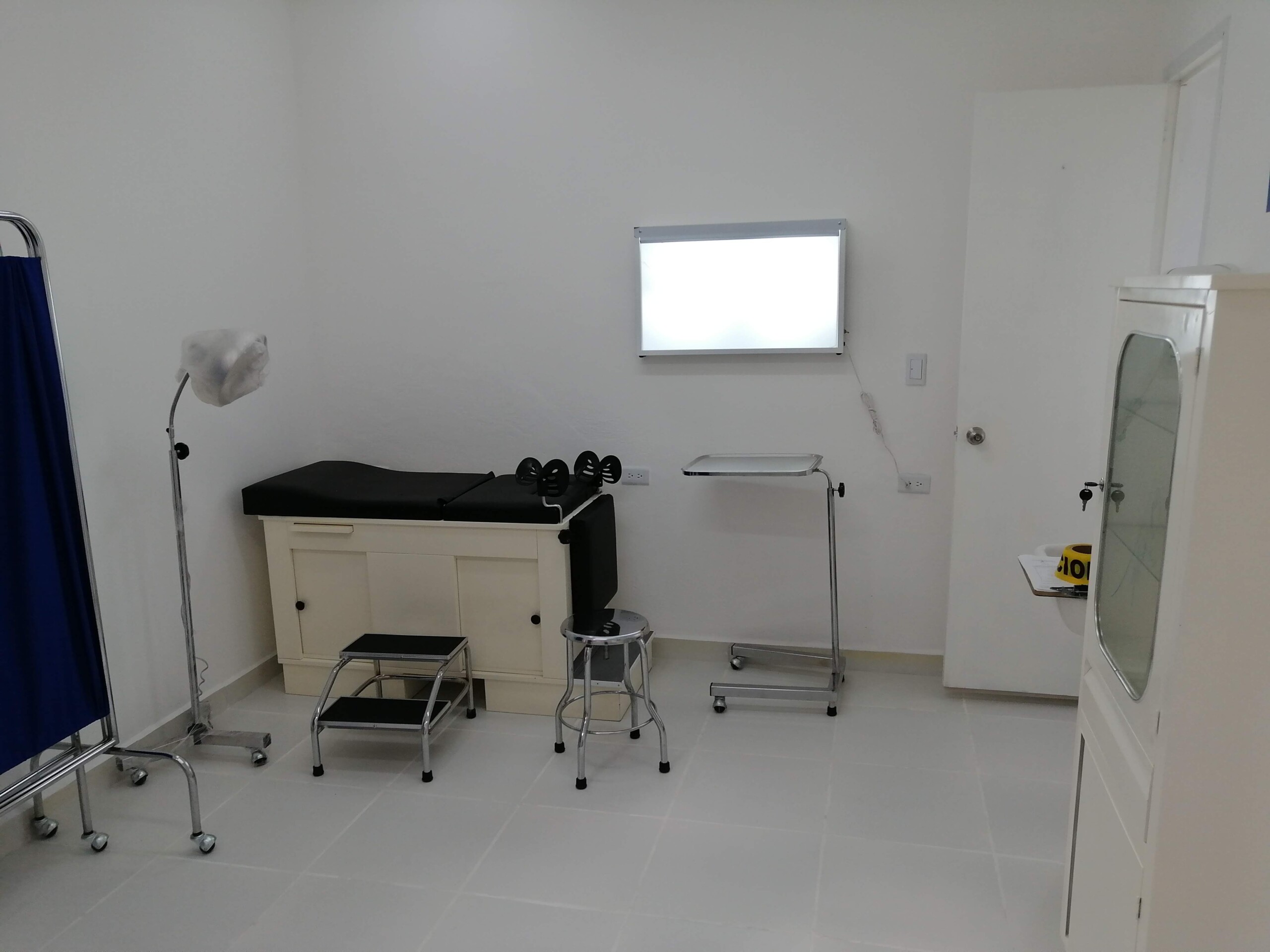
The current situation in Mexico is complicated by the number of infections and deaths from COVID-19; and in Puebla the situation is no different. Due to the lockdown in March, contingency plans in relation to the delivery of health services were activated, and the JUCONI team continued to offer one to one medical appointments to the children and young people on the programme, in the newly refurbished health clinic. Information about how to stay healthy was promoted and medical problems were followed up on a monthly basis with the children and young residents; plus more than fifty extra appointments were offered to residents and families. Personal Protective Equipment was also provided to children, young people and health workers. However, since May, due to an increase in infections in Puebla, all medical follow-ups with families on the programme have had to be carried out remotely, either by phone or video calls.  

During this period, we have also run health campaigns and given talks for all those served by the programme. The topics covered have included Covid-19 and Personal Hygiene.

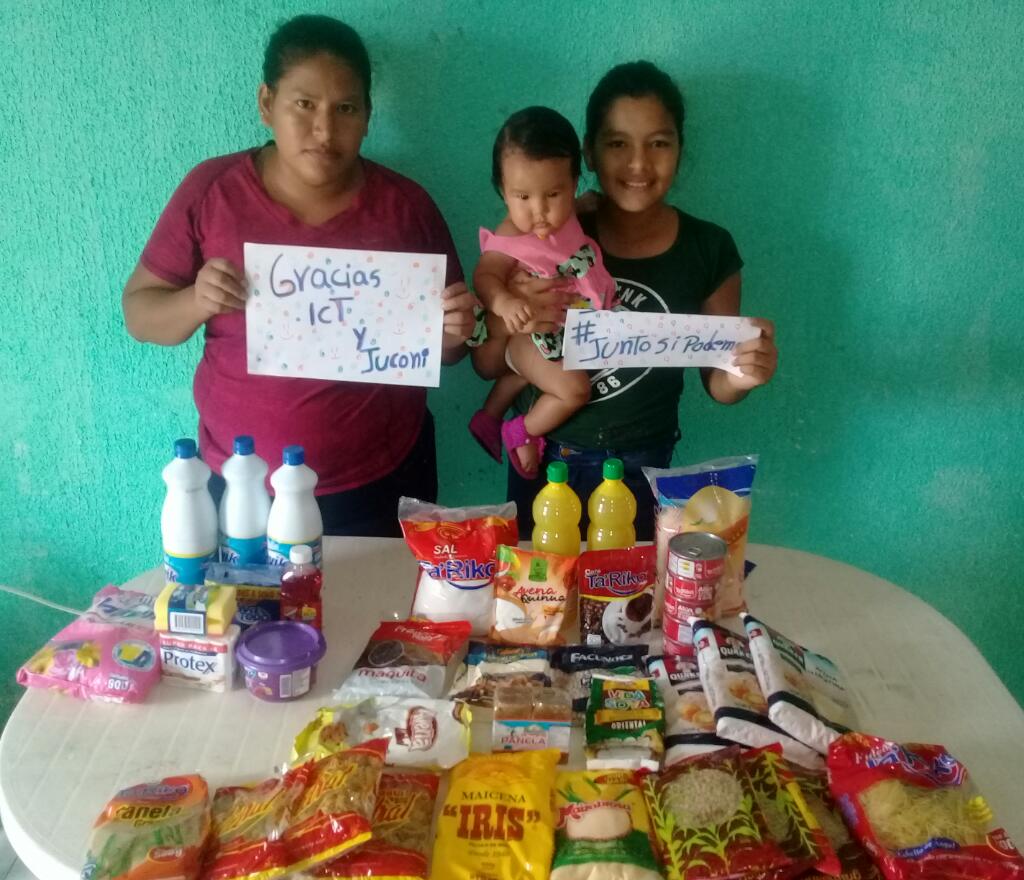
Access to food and essential supplies during the Covid-19 pandemic.

Ecuador

The city of Guayaquil in Ecuador is one of the worst hit areas in the southern part of the Americas. Official figures suggest that thousands have died mainly due to an overwhelmed and ill-equipped health care system, in addition to the challenges that poor and crowded communities face in respect to social distancing.

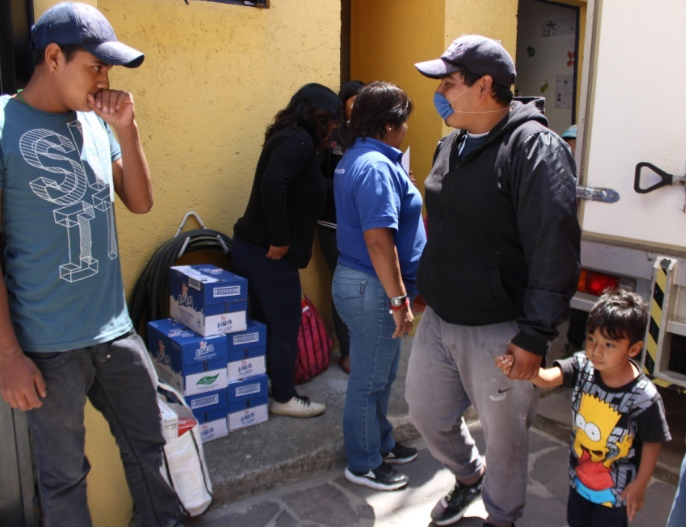
To help with the Covid-19 response, staff at JUCONI Ecuador continue to deliver our programme via telephone calls to the children and families who we are supporting. We have also been able to transport food, hygiene kits and medicines to these families as their income largely depends on an informal economy. 

To date, only one case of Covid-19 has been reported among the seventy two families who we help. This is a very good outcome considering the level of poverty and the challenging socio-economic environments in which these families live. This result was achieved because we were able to run a comprehensive hygiene promotion programme at the beginning of March.

Mexico

The current health crisis has also put the poor communities that we serve in Puebla, under economic pressure. For this reason, and as part of the care provided by JUCONI, we have distributed food to help families cope with the situation.