Keoogo, Burkina Faso: The produce from the market garden is benefiting the village

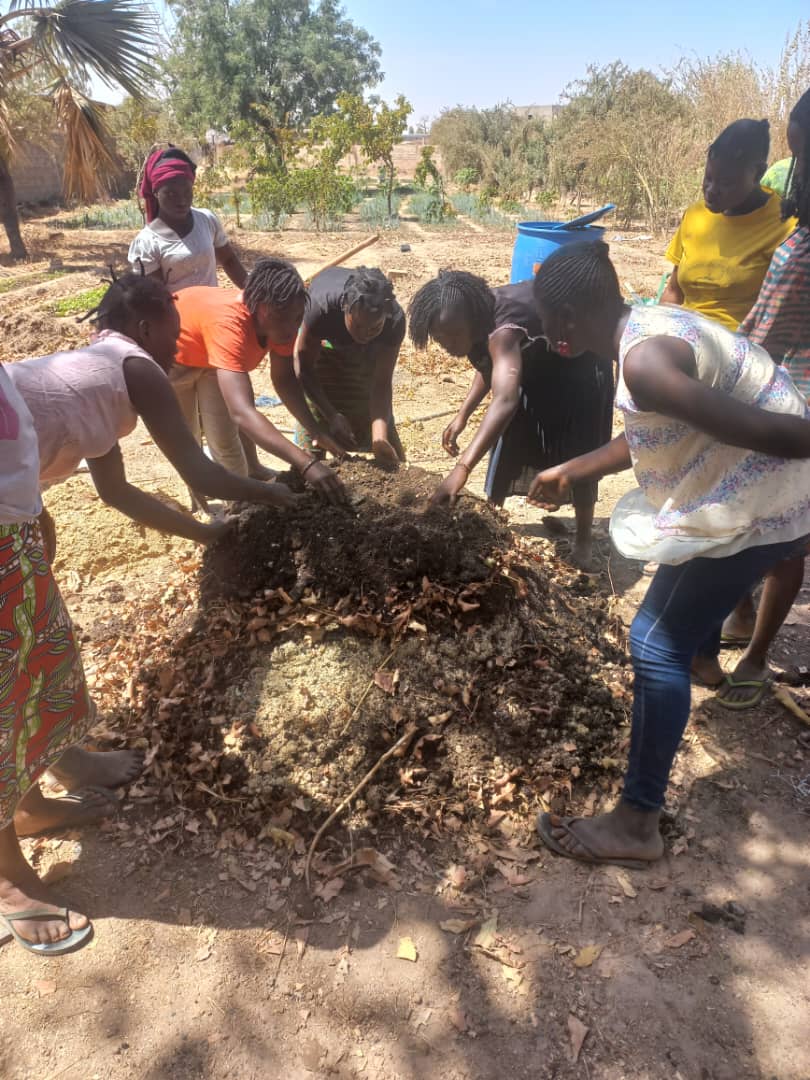
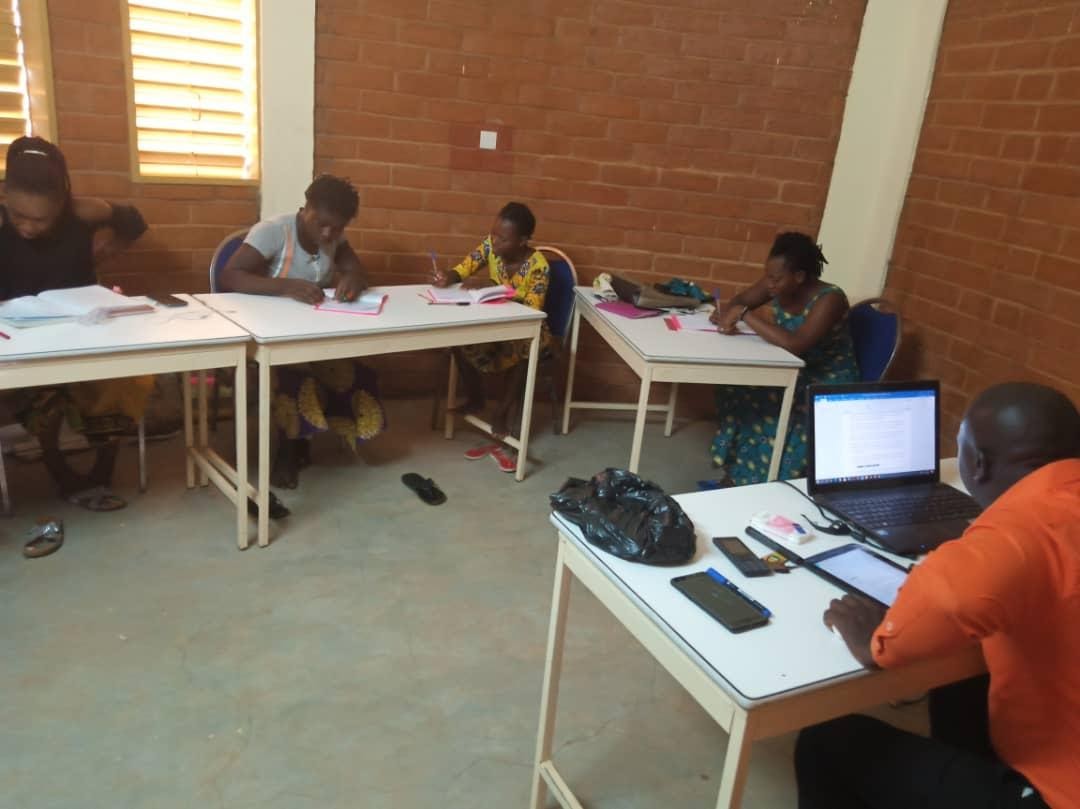
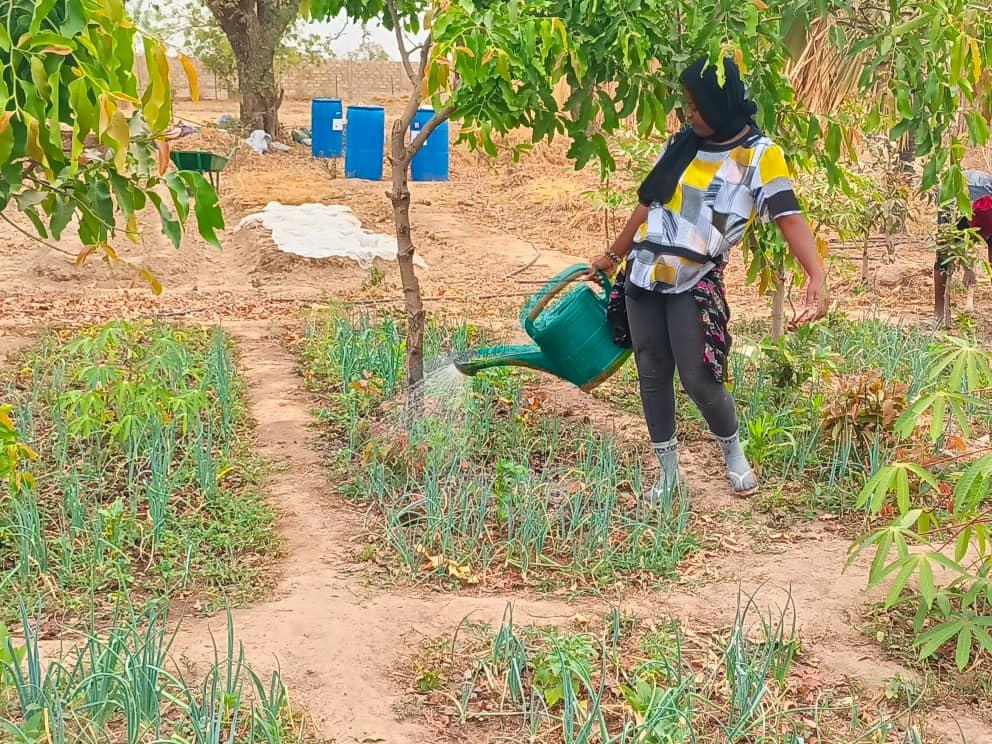
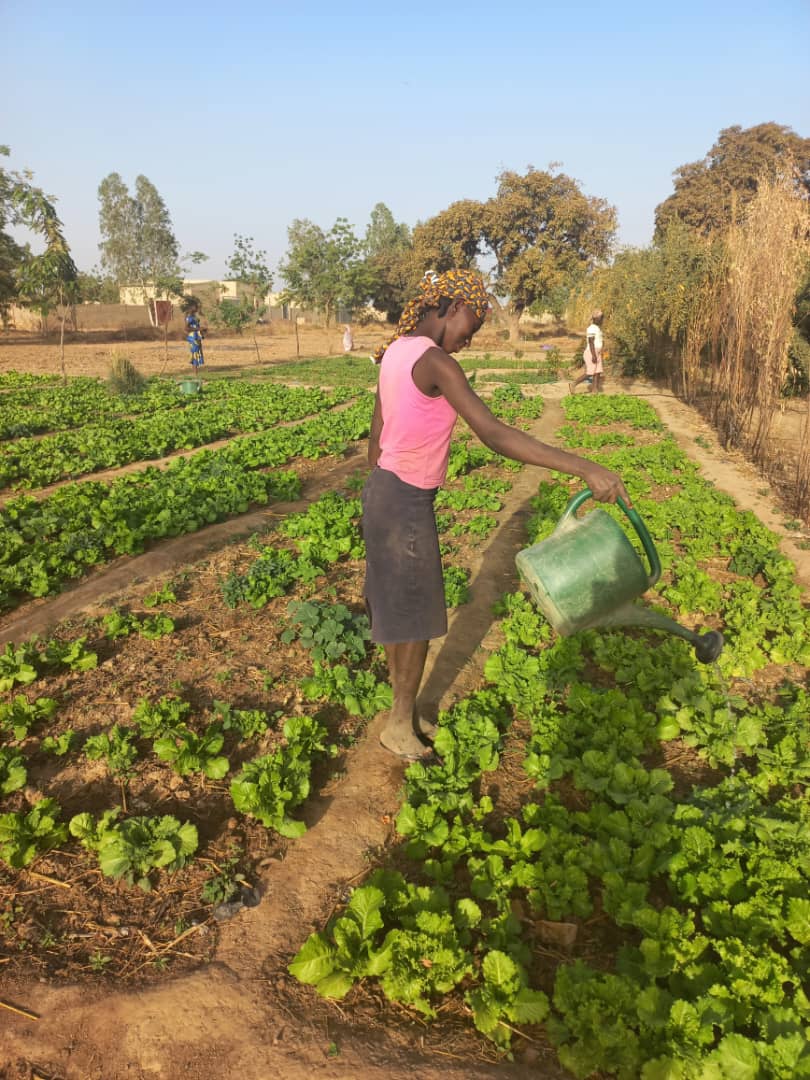
The market garden project continues to develop well. Twenty two young mothers are currently being trained to ensure the continuity of the programme. The training is provided by a former resident of the village who was recruited by Keoogo as an agro-ecological facilitator. She is supervised by the Euro-African Association for the Anthropology of Social Change and Development (APAD), which specialises in agro-ecological market gardening. The training continues to consist of a practical phase, in addition to raising awareness of the interactions between plants, animals, humans and the environment. Accompanied by the facilitator, the new trainees learn how to make compost, design beds, plant nurseries, transplant plants and treat plants with neem leaf and ginger.

For the second phase of the project, the aim is twofold, that of creating a nursery to make the garden as independent as possible from external seed purchases so that from next year, the budget for seed purchases will be very low. In addition, we aim to speed up planting by preparing seedlings in our nursery and consequently seeds have been purchased for the first harvest of this second phase of the project. An effort was made to acquire organic or agro-ecological seeds.
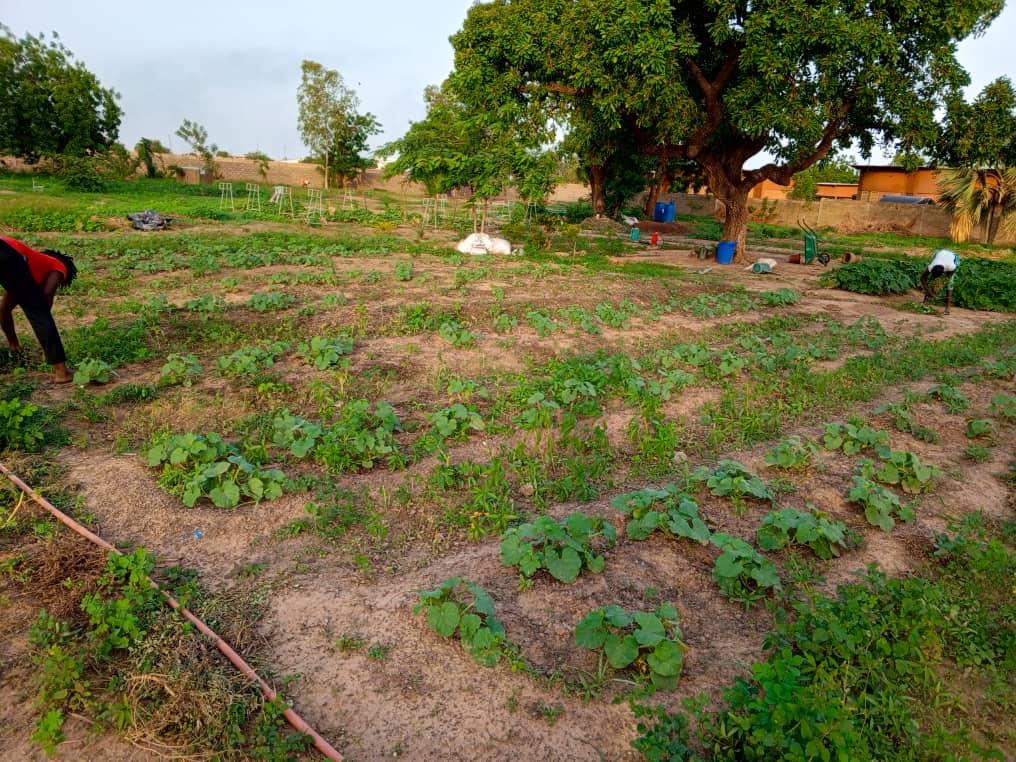
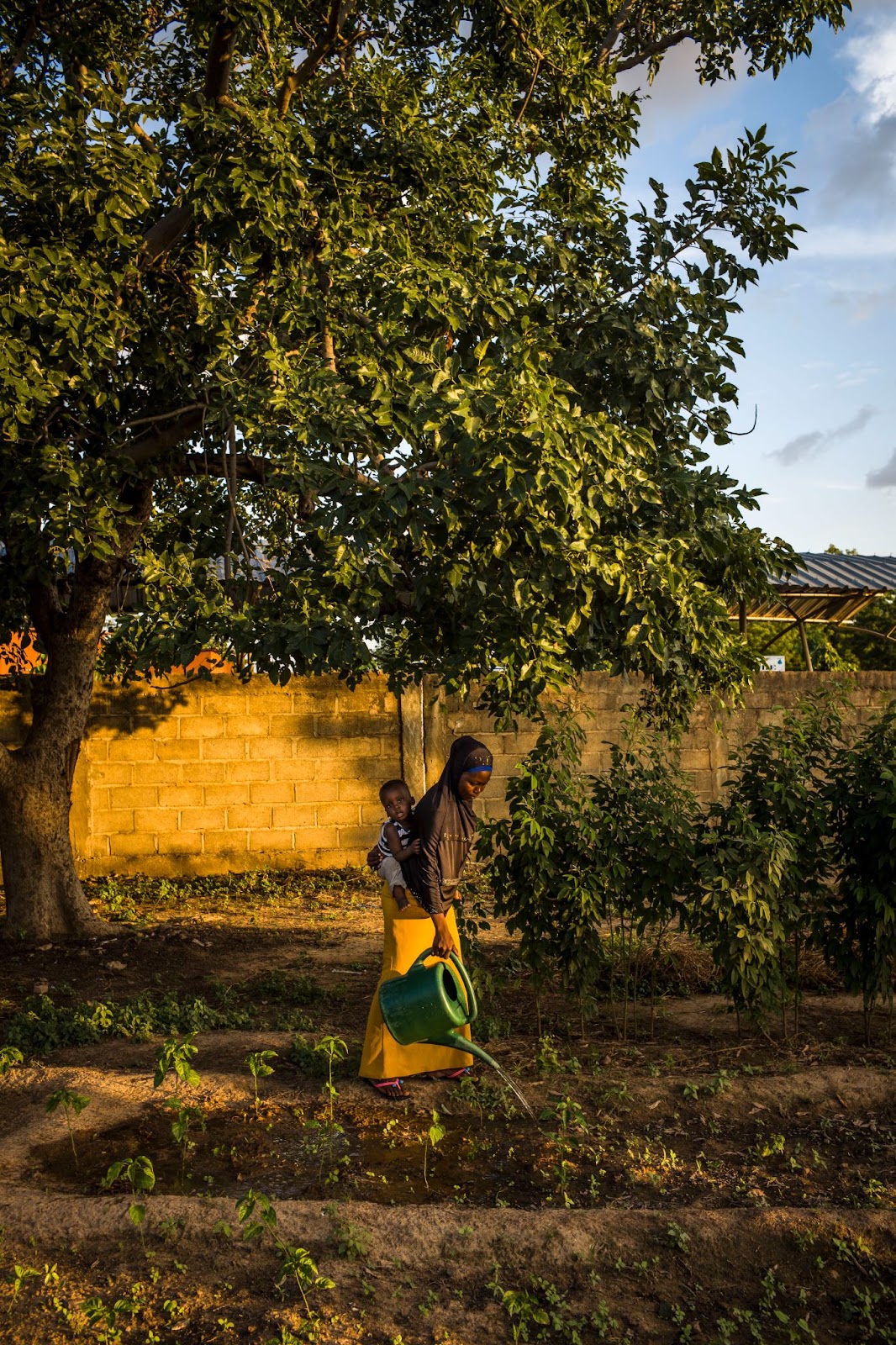
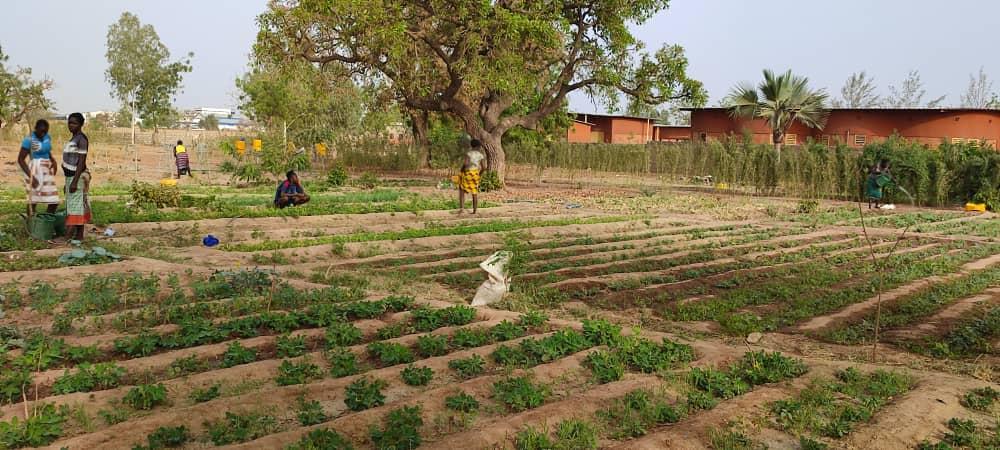
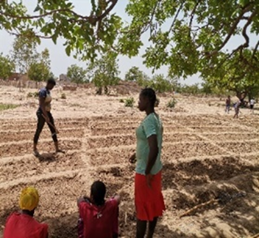
New beds have been planted in the garden and existing beds have been integrated into the overall cultivation plan. As before, each young mother was given responsibility for a certain number of beds, for watering, weeding, hoeing and staking, and for all the other operations required for cultivation. A crop association and rotation system was established.
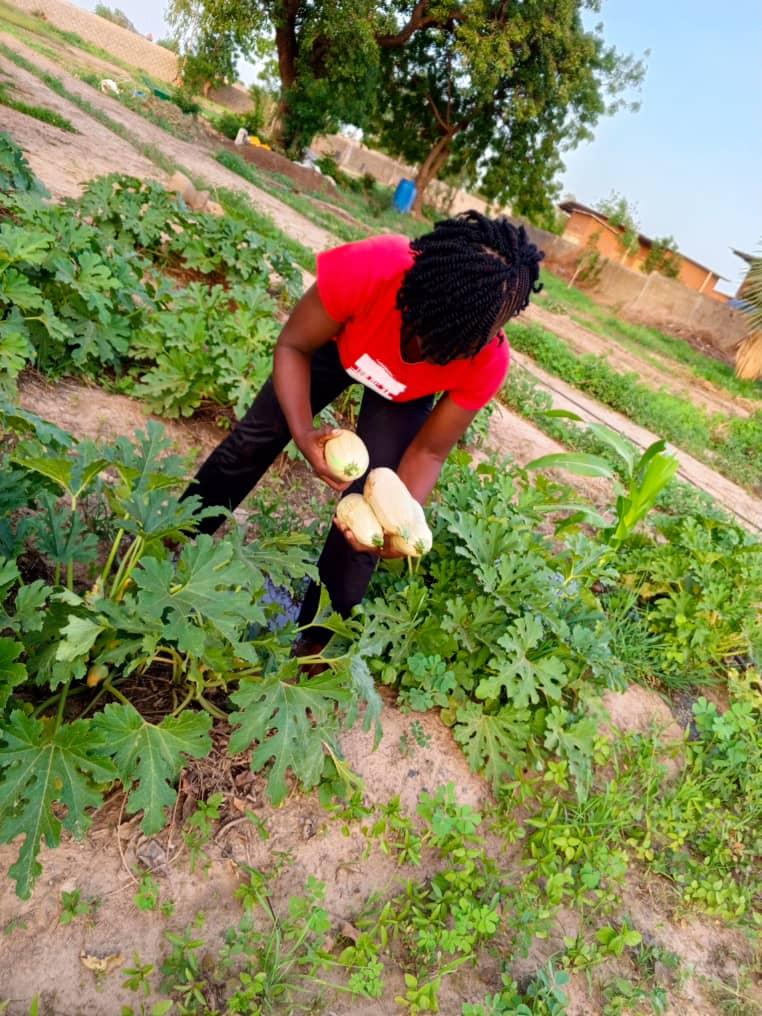
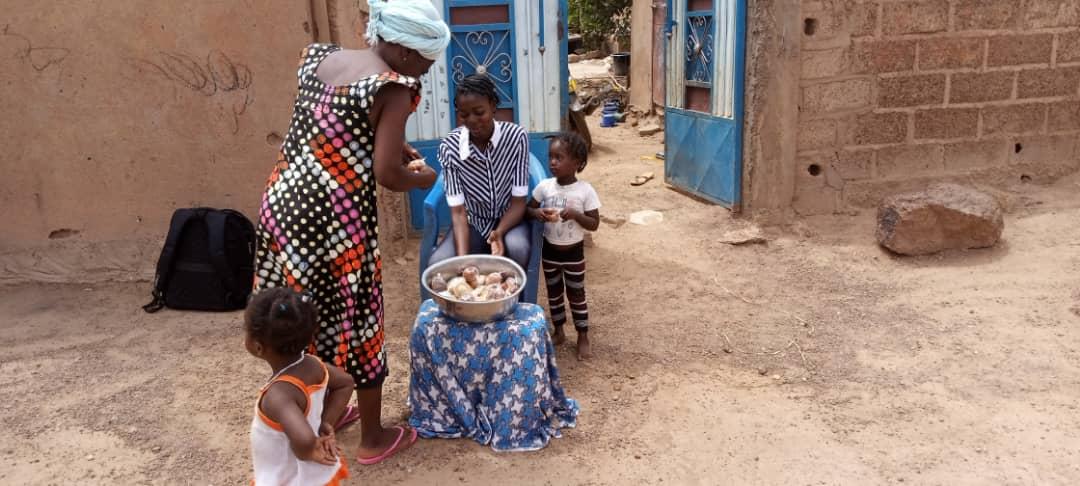
The major innovation in this second phase of the project is undoubtedly the development of management tools to record and monitor data generated by the garden in order  to weigh and quantify all the vegetables and fruit produced by the garden. These are then distributed to the nursery school for the children’s snacks and to the kitchen, to improve the diet of the young mothers and their children. By the end of the year, this information will enable us to know the annual production of the garden; add value to this production; know whether production meets consumption needs or what particular vegetables or fruit are missing; find out whether there are any surpluses to launch another economic activity, and if so, which one. The production and distribution for the school and the kitchen are being monitored by the garden coordinator and the Keoogo administrative manager. 

The young mothers who left the village are still being monitored. Of the thirty six who received training and then returned to their families: eleven have found jobs; seven are on training courses; ten are continuing their baking activities and eight are now living outside Burkina Faso.
Keoogo: Progress of Young Mothers Since Leaving the Beoogo Tienbo Village, Ouagadougou, Burkina Faso

The reintegration of the thirty-six young mothers into their families after their training at the village is going very well. All these young women continue to be monitored by the training manager and an educator from Keoogo and this will continue for two years. The six young mothers who received training in baking are still pursuing their businesses. Two of them have gone back to school in the evenings to take the equivalent of GCSEs (BEPC) and if they pass, they will be able to progress to higher level exams/vocational training if they wish to. Both these young mothers have paid their own fees using the profits from the sale of their cakes. The other four young mothers continue to do well with their cake sales and now manage to support their children and pay for their school fees.

Out of the thirty-six young mothers who have left the village, twelve are baking and selling cakes, one is involved in catering, two are working in nurseries as monitors, one is doing an internship in a local nursery, one is working  in a pharmaceutical depot in Ouagadougou and another is working in a provincial pharmacy. Three have become community health workers in health and social care centres, three are involved with sewing work, with support from Keoogo, seven are continuing their schooling and five have got married and live with their husbands outside Ouagadougou. In addition, one young mother has become an agroecology facilitator and is employed by Keoogo in the village. She is currently in charge of training fourteen new girls in market gardening. The poultry farming activity was temporarily suspended after the girls left the village because maintenance became difficult. We are in contact with Vétérinaire sans Frontières to restart the activity and continue training.

There are twenty-two new young mothers in the village at the moment – six are enrolled in high school, including three in the examination class for the preliminary certificate and three in the intermediate class, two more are training outside the village, one in community health and one as a pharmacy auxiliary. They leave in the morning and return to the village in the evening. The other fourteen young mothers are doing market gardening at the moment. The next round of baking training has not yet started.

Keoogo: Helping Girls Improve Their Living Conditions in Burkina Faso.

The reception and training village for young mothers in Keoogo enrolled thirty six girls for training. Thirty one of these girls have now been reintegrated into their families and five will do so in December. Fourteen new girls were enrolled between September and October and five more will do so in December. 

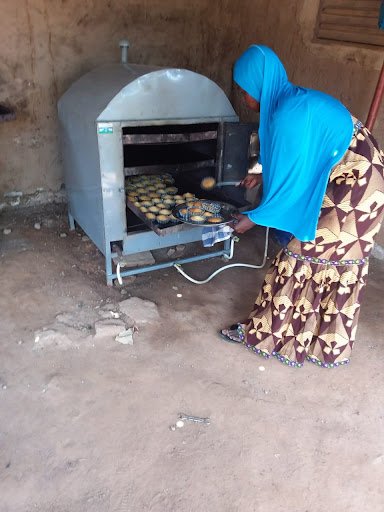
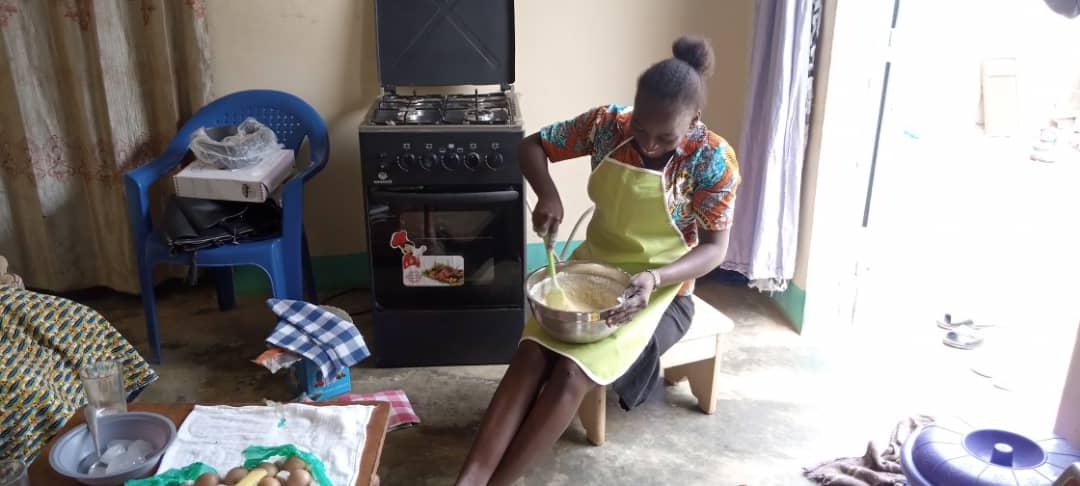
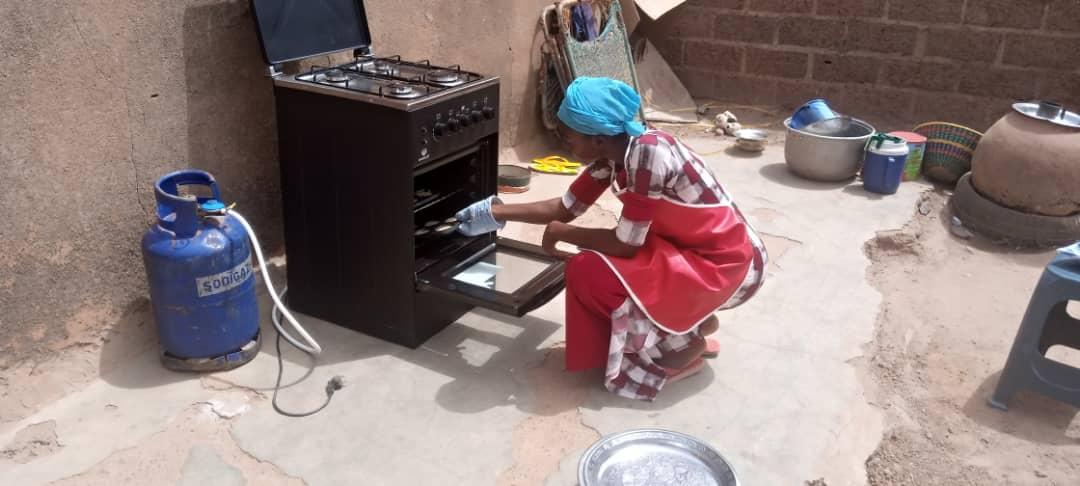
The introduction of poultry farming and market gardening in the village have made it possible to have more eggs, meat and vegetables to improve the diet of the mothers and their children. In  following up the six girls who were given baking kits to use at home, we have noted that the baking course has served as a reintegration tool for them as most of them are now able to live from their activities and are more fulfilled. It is also gratifying to see that other girls have managed to acquire locally made ovens with the income from their baking activities. Thanks to these new ovens, their earnings have improved and the majority of these young mothers are able to meet their needs and those of their children.

A new baking course will start again very soon. The theoretical part will be taught by the original trainer, but the practical phase will be taught by girls who have already set up their own businesses and are doing well.

In order to continue to train new girls in market gardening and poultry farming, a young mother who has already completed the training was recruited on behalf of the village. She is now in charge of these two activities and is responsible for training all the new girls.

Keoogo: Market Gardening, Poultry Farming and Baking Training in Burkina Faso.

Market Gardening. Maintenance and monitoring activities continue to mobilise the thirty six young mothers who are living in the village of ‘Beoogo Tienbo’ in the North of Ouagadougou. The agro-ecology market garden has really taken shape and the following plants can be seen: sorrel, tomatoes, beans, cabbages, okra, lettuces and melons. These plants were chosen based on the dietary needs of the girls at the Keoogo village. The girls have already begun to eat produce from the vegetable garden.

When each girl returns home with the necessary tools and seeds to set up their own market garden and to sell their produce, they will be replaced in the village by other girls from the surrounding community, who will also receive similar training.

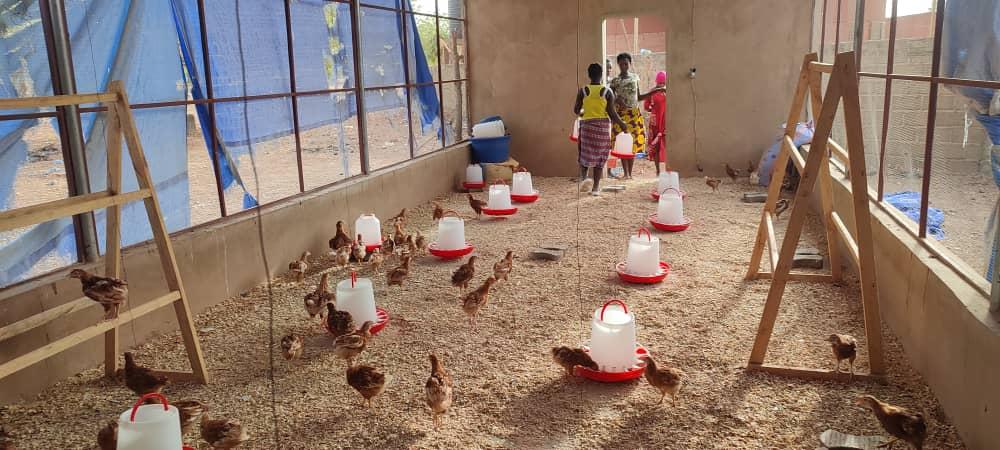
Poultry Farming. All the girls have completed their training. The chicken house has been functioning for a while and the chicks have grown. We will soon have eggs in the village that will be eaten by the girls and their children. The girls are very enthusiastic and totally dedicated to looking after the chickens.

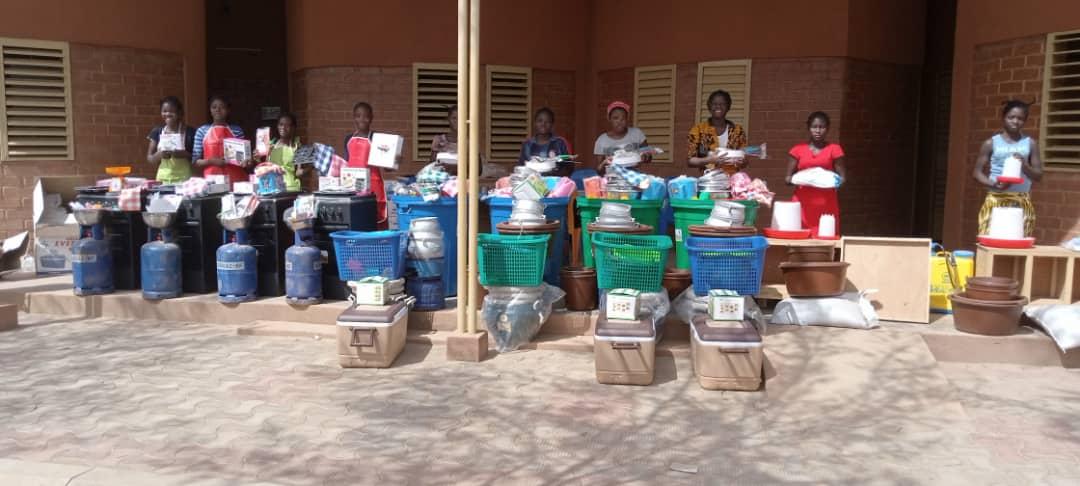
Due to the COVID-19 pandemic, reductions in international aid funding have had an impact on our partner’s financial capacity to continue to provide education and livelihood opportunities to vulnerable girls. Funding was therefore provided by the Rotary Club of Coventry and the ICT COVID Relief Fund and this allowed six girls to set up small bakery businesses. 

Sets of equipment and baking kits were delivered to the girls which included; an oven, a gas bottle, a whisk, stainless steel bowl, weighing scales, piping bag, pastry bags, a spatula set, utensils set, cake moulds, turntable, loaf tin, oven mitt, apron, towels and raw materials (flour, butter, milk, sugar, eggs, yeast etc.).

The girls have returned to their families and most of them have started an income-generating activity with the kits that they received and are now baking and selling their products. Two teachers will continue to monitor their progress.

Keoogo: Progress by Young Mothers in Market Gardening and Poultry Farming in Burkina Faso.

With funding from the Rotary Club of Bournemouth North and its partner in France, the Rotary Club of Château-Gontier, new training opportunities in agro-ecological market gardening and poultry farming are continuing. After the acquisition of equipment, theoretical and practical training in both market gardening and poultry farming classes began. 

In January, Phase 3 of the training in market gardening taught the girls how to set out the beds, the nursery and associated crops in order to observe the rotation system and the different methods of sowing and transplanting. The girls were also shown how to make compost.

Phase 4 was devoted to weeding, hoeing, staking and composting. To facilitate monitoring, a plot was allocated to every girl to enable the trainer to assess the level of knowledge acquired by each one. This practice also improved the accountability of the girls and better maintenance of the plants.

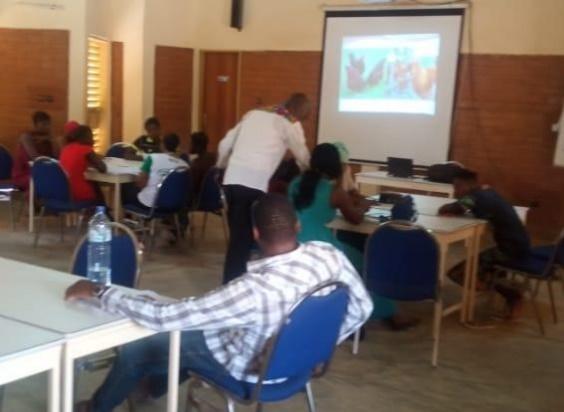
The training in poultry farming was deliberately limited to a maximum of twelve girls per session in order to allow for effective and personalised supervision while at the same time encouraging group cohesion. Given that the composition of the group was made up of literate and non-literate girls, and in order to maximise participation, each module was covered through projected images of texts and accompanied by illustrations. 

The literate girls read the texts and the non-literate girls interpreted the illustrations. Afterwards, a debriefing session was held to check the girls’ understanding of the projected images. These sessions were followed by reframing and further explanations by the trainer.

With the chicken house ready and the practical training well underway, the next step will be to order the chicks and put them in the house. This will enable the girls to understand the importance of hygiene and vaccination in this phase.

Keoogo: Vocational Training for Young Mothers in the Beoogo Tienbo Village

The Beoogo Tienbo Village for young mothers has continued to build on the number of vocational training activities available to them. Since July, two important new courses have been introduced. These are training in market gardening using an agro-ecological approach and training in baking skills.

After a geophysical study, Keoogo started to prepare the land for planting. In addition, an analysis of the food needs of the young mothers and their children was carried out. This assessment allowed us to collect data around the varieties of vegetables consumed by the families over a two-week period. This will then be used to select the vegetables to be grown in the market garden. 

The agro-ecological training took place in several phases. Phase 1 involved meetings between the agro-ecological consultant and the young mothers to discuss the ecosystem. Phase 2 involved the girls setting up a site for the agro-ecology garden under the guidance of a trainer and a number of the women teachers who have experience in market gardening. Other phases will be carried out from December 2021 onwards.

The training in baking involved 36 young mothers learning to prepare several types of pastries including Christmas logs, milk cake, shortbread biscuits, pancakes and churros. 

This created a new dynamic within the groups and helped the young mothers to get to know each other better and to strengthen their trust in each other. It has also encouraged them to develop their self-esteem, self-confidence and sense of purpose. For this course, the acquisition of baking kits will enable the girls to continue baking as an income-generating activity when they have reintegrated back into their communities. On completing the course, a young mother shared her feedback with us “This course has been a chance for me to learn how to make cakes and biscuits myself and it is as if a door to something brighter has opened for me.”

Keoogo: Therapy and training for young mothers in the Beoogo-Tienbo village in Burkina Faso

One of the initiatives developed this year by Keoogo concerns the capacity building of the village team in the psychotherapeutic management of the young mothers in  the 16-22 age group, who live in the Beoogo-Tienbo village. The team has been working with a therapist to learn more about trauma management, good parenting and art therapy. This training is supporting them in their work to enable the mothers to build on their maternal skills in order to better care for their children. Art therapy is being used as a way of helping them to express their feelings.

In addition, eleven young mothers living in the village have had access to vocational training in different fields: three pharmacy assistants, two community health assistants and six early childhood education instructors. This training was implemented in collaboration with three private vocational training institutes; ‘Institut Privé de Formation Wend-Lamita’ offers six month pharmacy assistants courses and two year community health assistants courses and ‘Institut Privé de Formation La Plume’ offers six month pharmacy assistants courses. The partnership between Keoogo and the third training group, ‘Centre de Formation Professionnel Source de Vie’, has permitted the opening of a training course for early childhood education instructors within the Beoogo-Tienbo Village since October 2020.

Rosa (19 years of age) –  a story of successful reintegration

Rosa became pregnant several years ago and as a result was rejected by her family. She then dropped out of school because she was left with no one to support her or pay for her education. It was at this time that a trained female community worker from Keoogo met Rosa and after hearing her story, offered her a place in the Beoogo-Tienbo village.

After Rosa gave birth, Keoogo undertook mediation with her family which led to the legal recognition of a birth certificate being issued for her baby. This was an important step in moving towards a reunion between Rosa and her family. Their relationship was later fully restored and her mother helped to care for her grandchild while Rosa trained to become a community health assistant. Her parents are very proud of her.

With the support of Keoogo and the Beoogo-Tienbo village, Rosa received a second chance –  “I always dreamed of working in a hospital and wearing a uniform and today I wear it with pride.” Rosa is the first girl to have graduated from her training course and to leave the village.

Keoogo: Increasing the capacity of the ‘Beoogo Tienbo’ nursery school in Burkina Faso

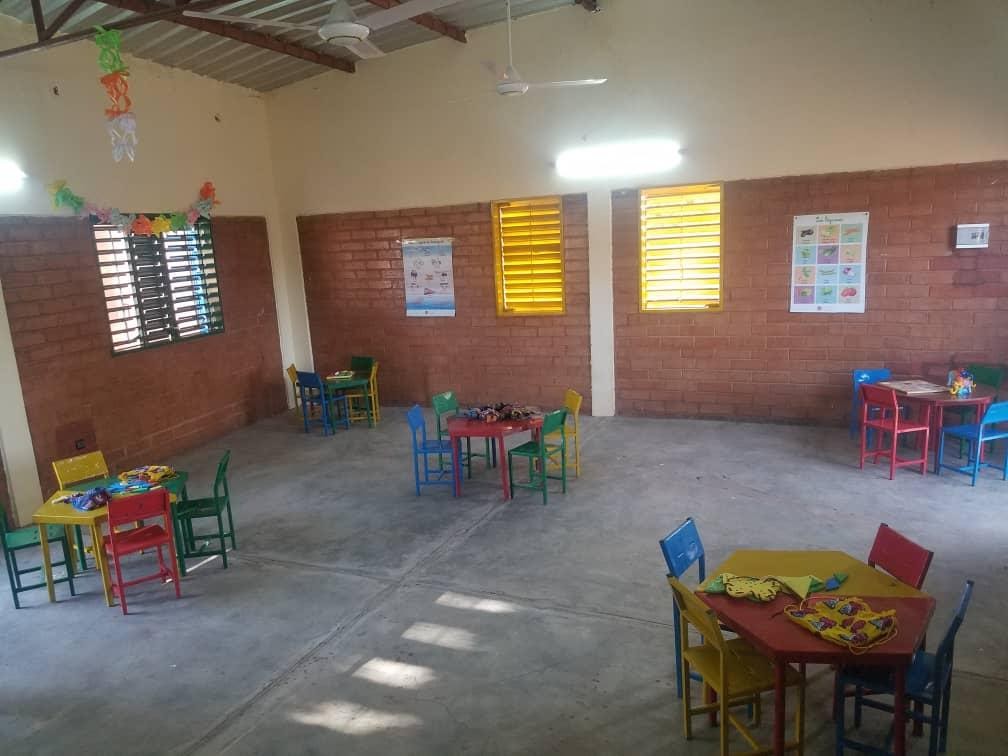
The ‘Beoogo Tienbo’ nursery school in Ouagadougou, Burkina Faso is growing as expected, and ICT and its partner Keoogo are extremely pleased to announce that the ‘Grande Section’ was officially opened on the 5th October 2020. This means that a fully-equipped classroom is now available for a group of twenty-four, five year old children. The classroom forms part of  the nursery that provides learning opportunities to seventy-two children living either in the village-shelter with their mothers or in the surrounding community. 

Thanks to the generosity and kindness of Bournemouth North Rotary Club, Keoogo has been able to acquire the necessary educational materials, equipment and furniture for the classroom and an instructor has been recruited to teach the children in Year 1. In addition, a roof has been added to an area of the playground so that all the children in the village can play safely in the shade. 

Keoogo: Adapting to new measures at the Keoogo village during the Covid-19 pandemic

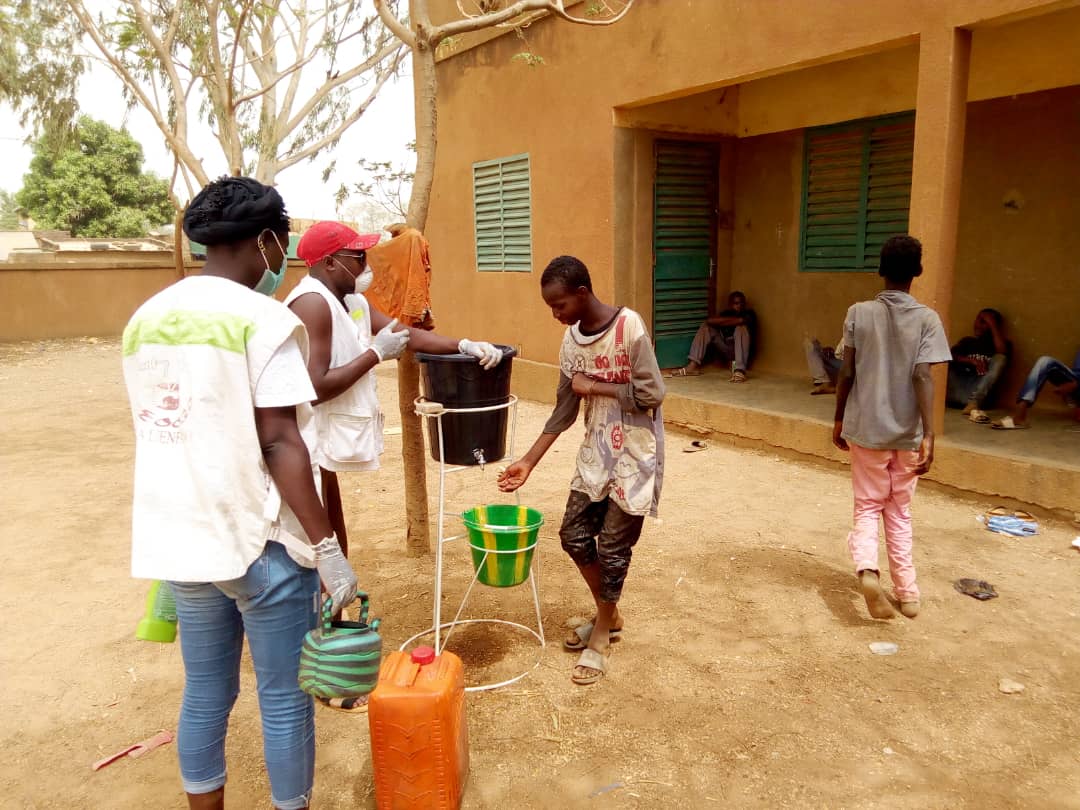
In March, as part of the special measures introduced to reduce the spread of Covid-19, the Government of Burkina Faso issued a temporary law that restricted public freedom. These restrictions hindered the continuity of several of Keoogo’s activities and in order to overcome these barriers the team drew up a plan to adapt to the new regulations. Prevention measures have been implemented for the children and young mothers living in the village that include the use of hand wash, gel and soap and the wearing of masks for all visitors. Other measures have resulted in the reorganisation of work via staff rotas, a new teleworking system, modification of working hours and the provision of additional water points.

Before the reopening of the ‘Beoogo Tienbo’ nursery school in October, the school was equipped with protective equipment. Furthermore, all parents were briefed on the health measures to follow to ensure the safety of their children if a child or family member falls ill,  as well as maintaining social distancing when dropping off and picking up children from the school.

Basic needs support for street children in the prevention of Covid-19.

Burkina Faso 

The number of people with Covid-19 in Burkina Faso has evolved since the first cases were registered on the 9th of March. On the 6th of June, the last assessment highlighted that eight hundred and ninety people had tested positive, seven hundred and seventy five people had recovered and fifty three had passed away. Despite these figures, the Government has eased the preventive measures taken against the spread of the virus by allowing the re-opening of markets, places of worship, bars and restaurants, the lifting of the quarantine and the authorisation of the use of public transport.

At the start of the pandemic, Keoogo put in place a number of preventative measures such as cancelling group activities, banning visitors from going to the Keoogo shelter in Ouagadougou and telling the young mothers and children living there not to go out. The mothers also attended health awareness programmes on how to protect themselves and others from Covid-19. The organisation arranged for the provision of  hydro-alcoholic hand sanitiser at the entrance to its offices as well as masks for the field team and medical staff at the Keoogo Medical Centre. 

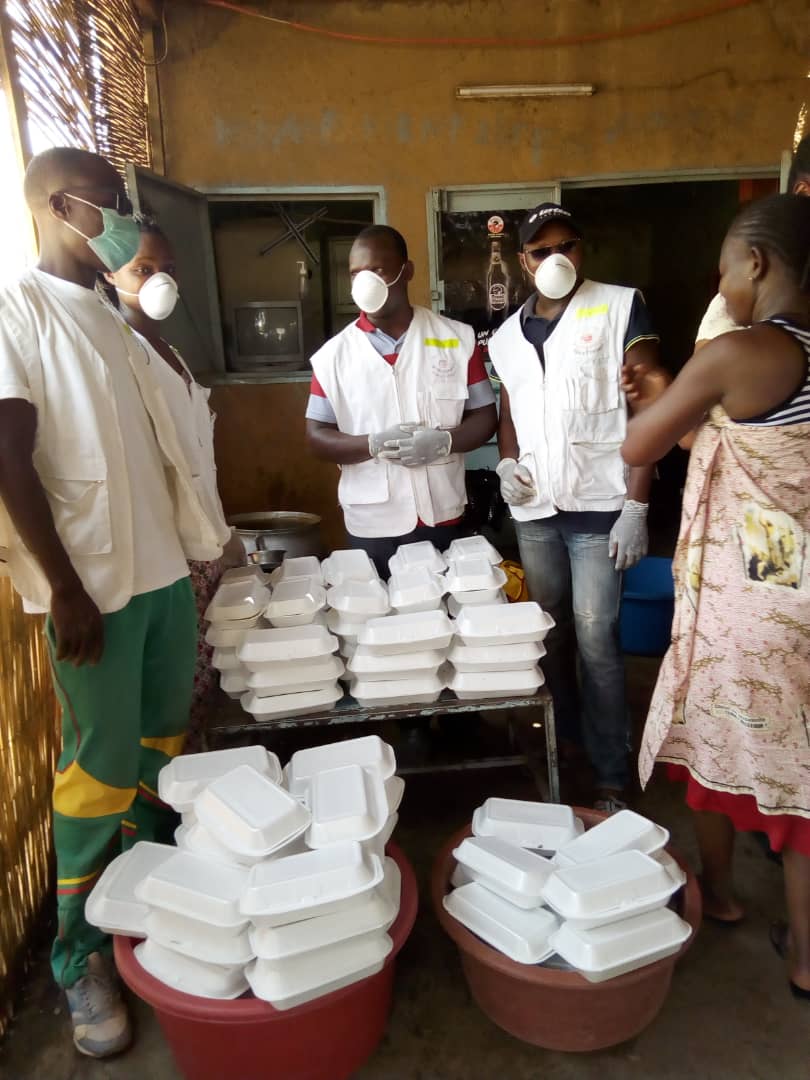
The prevention of Covid-19 is particularly challenging for children and young people who live on the streets and rely on the informal economy for their livelihoods. Since the spread of the virus, some of them have decided to join community drop-in centres, and this has put more pressure on these facilities in terms of availability of basic supplies. Keoogo is aware that three hundred and seventy four children are living on the streets in our area and they are currently taking action to protect these children. They have strengthened the capacity of the drop-in centres by providing food, water, medicines, masks and hygiene kits that include hand sanitiser, soap and gloves for the street children and the community.