SERVE Sri Lanka, Ratmalana: Helping low-income children to build a strong foundation

By the end of May, twenty four children (eleven boys and thirteen girls) were studying at Saplings Preschool.

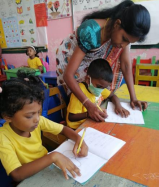
The new and continuing pupils have been engaged in a variety of activities including learning the alphabet and practising handwriting. The children are also covering the topic of ‘good habits’, which includes the importance of punctuality, maintaining personal hygiene and  respecting adults. In addition, they are learning to identify different animals, plants, fruit, vegetables and vehicles. Furthermore, through time spent drawing, painting and doing craftwork, the children are improving their creative skills. Mindfulness activities are now integrated into some lessons to aid the development of listening and observation skills.

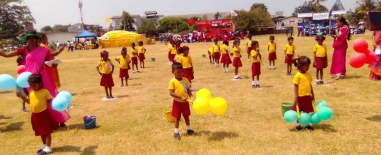
At the annual local sports day in March, the pupils were given a special opportunity to participate in a team game. 
The Saplings academic year 2022-23 was celebrated with a graduation ceremony and concert to recognise the achievements of the fifteen children who have successfully completed their preschool education and are ready to progress to primary school.
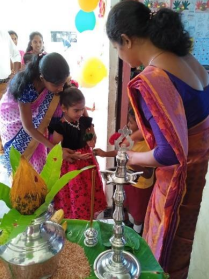
Prior to new children starting at Saplings preschool for 2023-24, their parents attended regular meetings with staff to discuss the curriculum. A shramadana campaign (gift of labour) was carried out by parents and children to clean and tidy the classroom premises prior to the start of the new term. At the end of March, a welcome ceremony was held for all new preschool entrants.

In April, pupils were invited to attend a Sinhala and Hindu New Year ceremony held at the SERVE Head Office. In May, they spent time making cards to celebrate Mother’s Day and also created lanterns and decorations for Vesak festivities at home and to decorate their classroom. The children were provided with markers and coloured pencil sets to improve their drawing and creativity skills. 

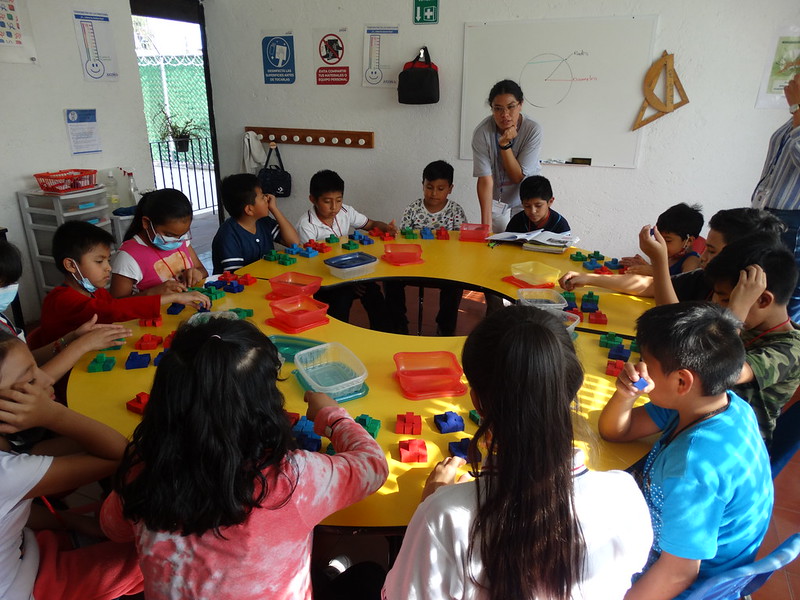
Pupils continue to participate in activities using building-blocks challenges, jigsaw puzzles, playing with soft toys and under the supervision of their teachers in playing outdoor games such as passing and throwing rubber balls.

In May, the Executive Director of SERVE visited Saplings to monitor their activities and to talk with pupils and teachers about the children’s progress. 

Chiedza, Zimbabwe: From being out of school and getting to university

Kunashe and Tinotenda were five years and three years old when their mother passed away. Their father later remarried but life was difficult and the boys struggled to get educational support. When they were in Grade 7, they stopped going to school for one and a half years. When community volunteers identified them as not attending school, they were referred to Chiedza. The organisation understood their situation, decided to support them and they were enrolled into Form 1. The brothers received support until they passed their ‘O’ levels at the first attempt. Chiedza then sent them to attend ‘A’ level classes at Harare High School. They have passed their exams and are waiting for the results in August. More recently, the brothers have said “we are so grateful to Chiedza for their support, they restored the hope that we had lost and now we are looking forward to a brighter future as we await entry into university.” 

The brothers have applied to the University of Zimbabwe. Tinotenda has applied for a course in forensic psychology and criminology as his first choice and his second choice is criminology and society. Kunashe has applied for a course in media and marketing communication and his second choice is multicultural heritage and tourism. Tinotenda wants to be a psychologist after he completes university and Takudzwa wants to join the tourism sector.

Rotary Club of Madras Boys Town Gummidipoondi: Getting ready for the new academic year

Boys Town is preparing for the new academic year 2023-24 in June. The admission process has begun and we expect approximately forty five new boys this year. Out of the seventy one students who sat and passed their examinations in the previous year, we estimate that sixty two will continue with their studies and will return to Boys Town. We expect around one hundred and ten students to enrol in total. 

In the new academic year, we plan to focus on after-school educational initiatives and are planning extra-curricular sessions that will include: physical health checks; mental health wellbeing; careers guidance; maintaining hygienic environments and encouraging nutritious diets.

In the previous academic year 2022-23 only one student was eligible to sit the XIIth Std. examination. He has opted for higher education and is currently applying to get onto a B.Com. degree course at university.

From February to May 2023, we held twelve weekly sessions for the boys in literacy instruction, soft skills and confidence building. They were delivered by twenty volunteer students from Krea university. The boys were divided into ten groups and each group was managed by two volunteers.  A similar initiative will continue this year too.

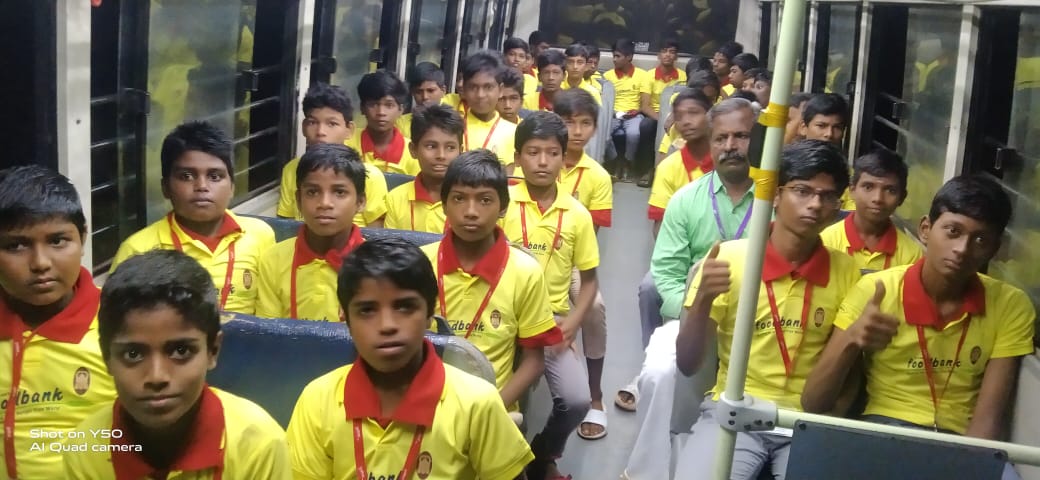
After their final examinations, about fifty boys visited the famous Lord Balaji temple at Tirupati in Andhra Pradesh, which is around 200 km from Chennai. The boys really enjoyed the whole trip by bus and train.

JUCONI Ecuador: A new club for girls

Earlier in the year, the need to provide a club for female adolescents was identified by the team, since they are at a high risk of being influenced, abused or recruited by the drug gangs operating in Guayaquil.

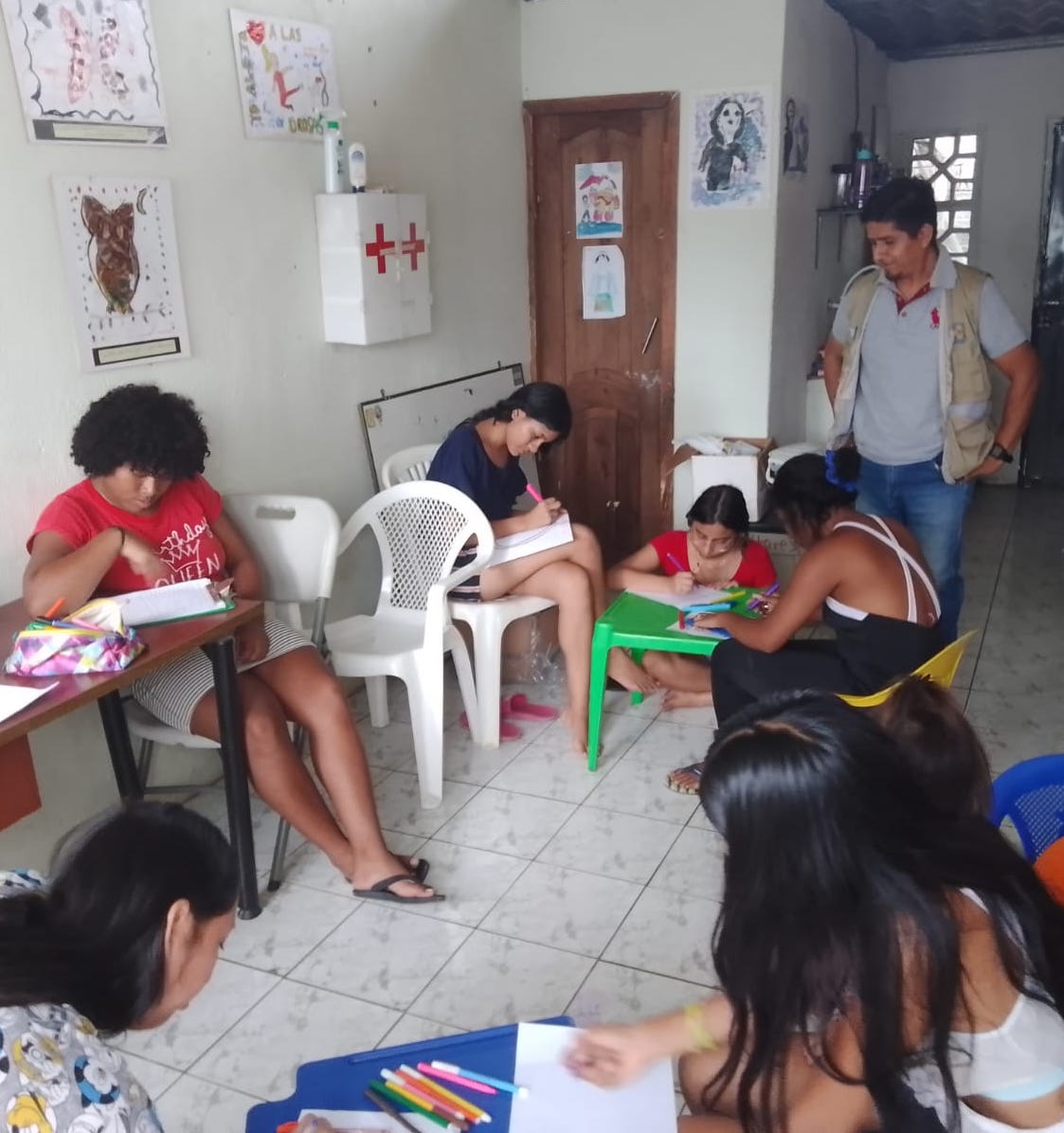
The club has been meeting once a week since March and is located in Socio Vivienda in a small house that JUCONI uses for a range of activities. The girls are aged from 12-20 years old and are worried about their future because of the insecurity in the area where they are growing up. They are open to receiving advice because they do not want to end up in early marriages/pregnancies, at risk of abuse and/or being drawn into activities linked to drugs or criminal gangs. In response to this, the team at JUCONI has drawn up a ‘life plan’ programme  to guide the girls towards recognising that there are gaps in their academic and social learning and that many of them suffer from low self-esteem and have difficulties in expressing their thoughts clearly. 

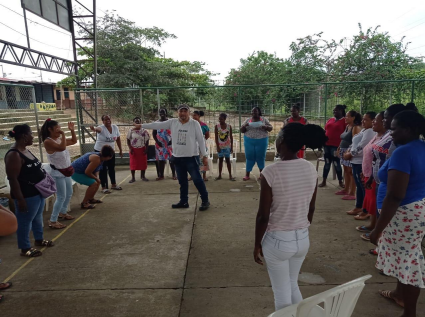
Thus far, the girls have attended a number of workshops led by an educational psychologist from JUCONI, as well as a community coordinator and an intern. They have covered the topic of ‘improving communication skills’ and are currently working on ‘building self-esteem’. This will be followed by ‘planning for the future’ where the girls will be given the opportunity to discuss their hopes and dreams, for example, if they want to study, work, marry or live alone, etc. and how they plan to achieve this. After that, the girls will consider improving their ‘leadership skills’ and also learn about having a voice in political advocacy about children‘s rights. Finally, the girls will discuss ‘personal relationships’ and consider how their lives will change if they decide to get married or have babies soon.

Ultimately, the club provides a safe space and an opportunity for the girls to talk about whatever they want.

Security at community football games and music programmes

Due to the security crisis, many organisations that were working in Socio Vivienda have left the sector (and the country), as in the case of the ‘Fútbol Más Organisation’. Other organisations have maintained restrictions and have asked JUCONI to run workshops about strategies to maintain security within football teams. In addition, there are other NGOs like ‘Fundación Huancavilca’ running music programmes, and when they were considering leaving the community, we shared our security protocols and this has helped them to continue with their activities.

The ‘safe play spaces’ organised by JUCONI, remain the only places where children can participate in a number of group activities, including sport. They are open every week but close temporarily when the situation is seen as too dangerous for the team to run them.

Supporting Educational Psychologists

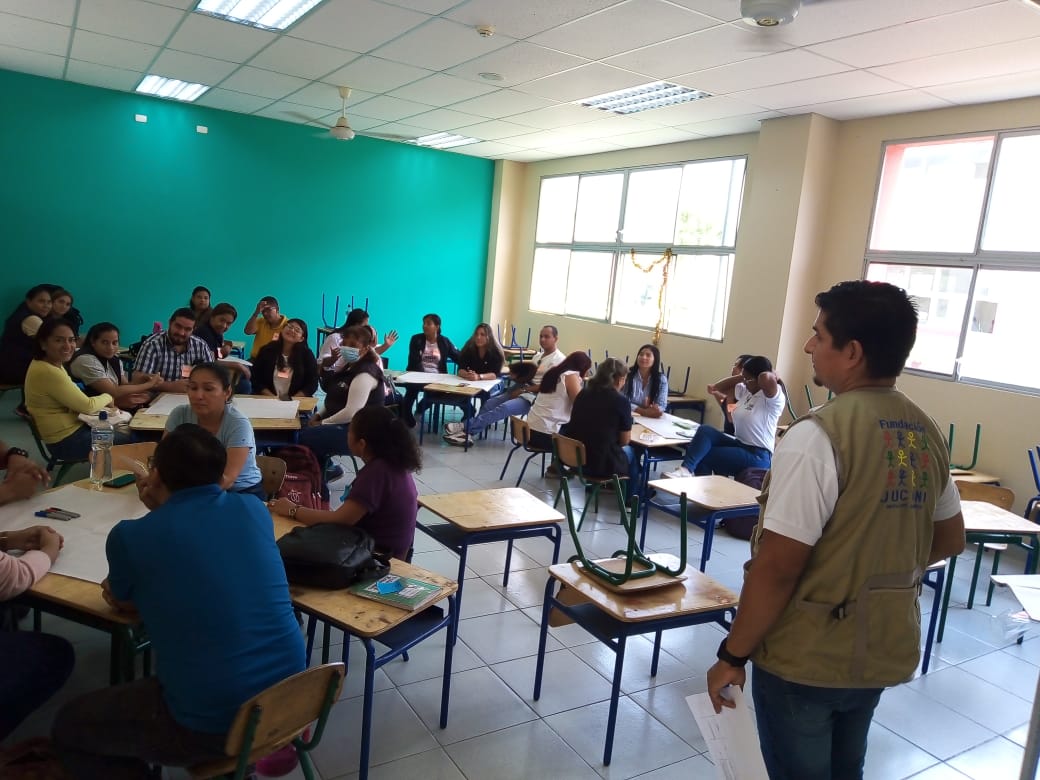
Together with the Undersecretary for Education from Guayaquil (District 8), the organisations of the Northwest Network (Misión Alianza, Human Rights Committee, Universidad Casa Grande and JUCONI), have created the ‘Governance Board for Safe Schools’, in order to provide support to the schools that are extremely vulnerable to high levels of violence in the city and their communities. The concrete action so far has been the emotional support of one hundred and thirty educational psychologists who work in the peripheral areas of the northwest of Guayaquil (District 8).   

Every week, JUCONI also now works with a school in Socio Vivienda 2, which includes three educational psychologists, one hundred and ten teachers and thirty care givers.

JUCONI  Mexico, Puebla: Safe school environments – Final outcomes and recommendations

The project was carried out from September 2022 to March 2023 in Puebla, Mexico. The activities and workshops varied depending on the needs of different schools, their teachers and the resources available. The schools were chosen based on where JUCONI’s target population is located, so that teachers could get to know about the work of the foundation and become part of its impact by learning how to create positive and safe relationships with their students and  replicate safe spaces at school and at home. 

Ultimately, workshops were organised at two preschools + seven primary schools, involving a total of 3245 children – 1623 girls + 1622 boys. One hundred and forty teachers attended – one hundred and seven females and thirty three males. At one primary school, staff from JUCONI also delivered oral reading sessions for eighty four girls and eighty four boys.

Workshops for caregivers were also crucial for the development of this project because they complemented the ideas being taught by teachers working at the preschools and primary schools. In total, one hundred and fifty two caregivers attended – nineteen men and one hundred and thirty three women across the two preschools + seven primary schools.

During the series of workshops, it was satisfying to see the evolution of responses coming from teachers and caregivers as they considered the importance of the relationships that they have with their pupils/children. The input by participants was taken seriously and by the end of the programme we were pleased to hear people reaffirming the importance of generating safe spaces, practising emotional validation, maintaining order and recognising that the cleanliness of these spaces also helps children to become calmer and to feel supported and heard. 

There were also several challenges, some of them not related to the direct implementation of the project but which impacted on the groups. For example, in some schools there were problems with the water supply (which have now been improved) but this highlighted the fact that basic health and safety facilities were not always guaranteed. Some teachers reported that they felt overwhelmed with what was being asked of them in their role as educators in addition to experiencing a lack of participation by their students’ caregivers. This feeling was echoed by a number of teachers but thanks to the workshops they have started to take the initiative to implement actions to improve the safety of their students. For example, they have reorganised their classrooms and planned their lessons to reduce the probability of risks and danger. They have also generated coexistence and containment agreements between teachers and students as well as teachers and caregivers.

The project highlighted a number of recommendations that included the need for school management and government teams to recognise that schools can become additional support networks if appropriate work is done with teachers around ‘safe spaces’ and with intervention via organisations like JUCONI. In addition, the importance of identifying the basic health and safety needs that schools have e.g. proper access to water and electricity supplies, a quick response time when dealing with the repair of broken windows/furniture etc., since the lack of these means that schools are not safe for staff, pupils and anyone wanting to visit to do inservice training. Finally, there is a need for a sufficient number of specialised personnel, such as psychologists, to be available to support both pupils and staff in achieving positive outcomes.

Keoogo, Burkina Faso: The produce from the market garden is benefiting the village

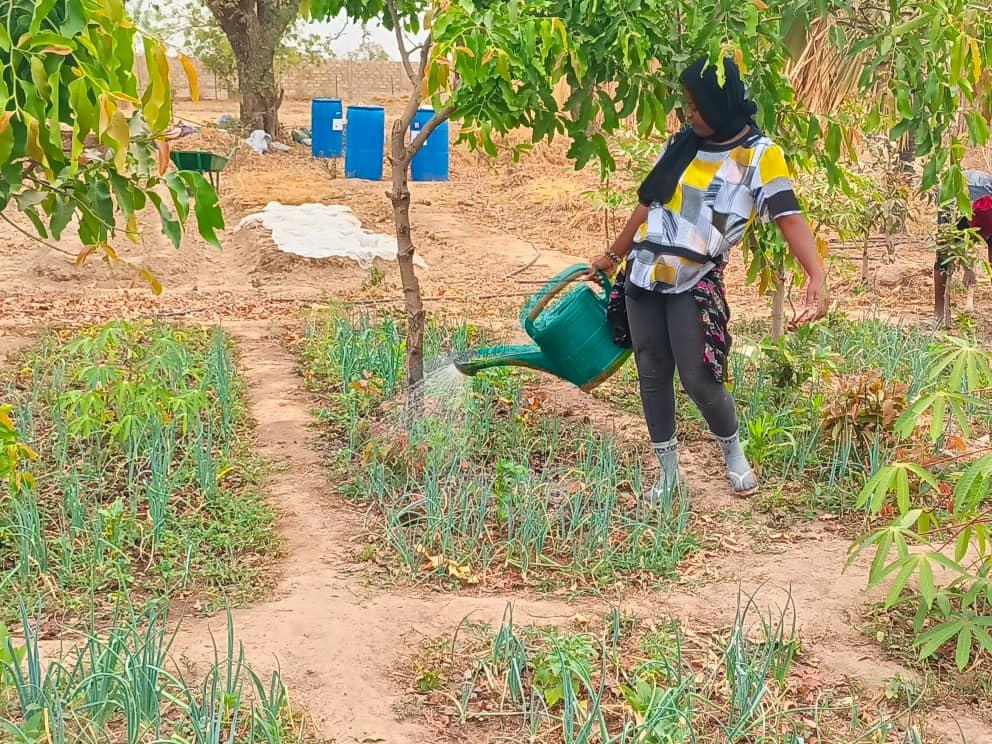
The market garden project continues to develop well. Twenty two young mothers are currently being trained to ensure the continuity of the programme. The training is provided by a former resident of the village who was recruited by Keoogo as an agro-ecological facilitator. She is supervised by the Euro-African Association for the Anthropology of Social Change and Development (APAD), which specialises in agro-ecological market gardening. The training continues to consist of a practical phase, in addition to raising awareness of the interactions between plants, animals, humans and the environment. Accompanied by the facilitator, the new trainees learn how to make compost, design beds, plant nurseries, transplant plants and treat plants with neem leaf and ginger.

For the second phase of the project, the aim is twofold, that of creating a nursery to make the garden as independent as possible from external seed purchases so that from next year, the budget for seed purchases will be very low. In addition, we aim to speed up planting by preparing seedlings in our nursery and consequently seeds have been purchased for the first harvest of this second phase of the project. An effort was made to acquire organic or agro-ecological seeds.

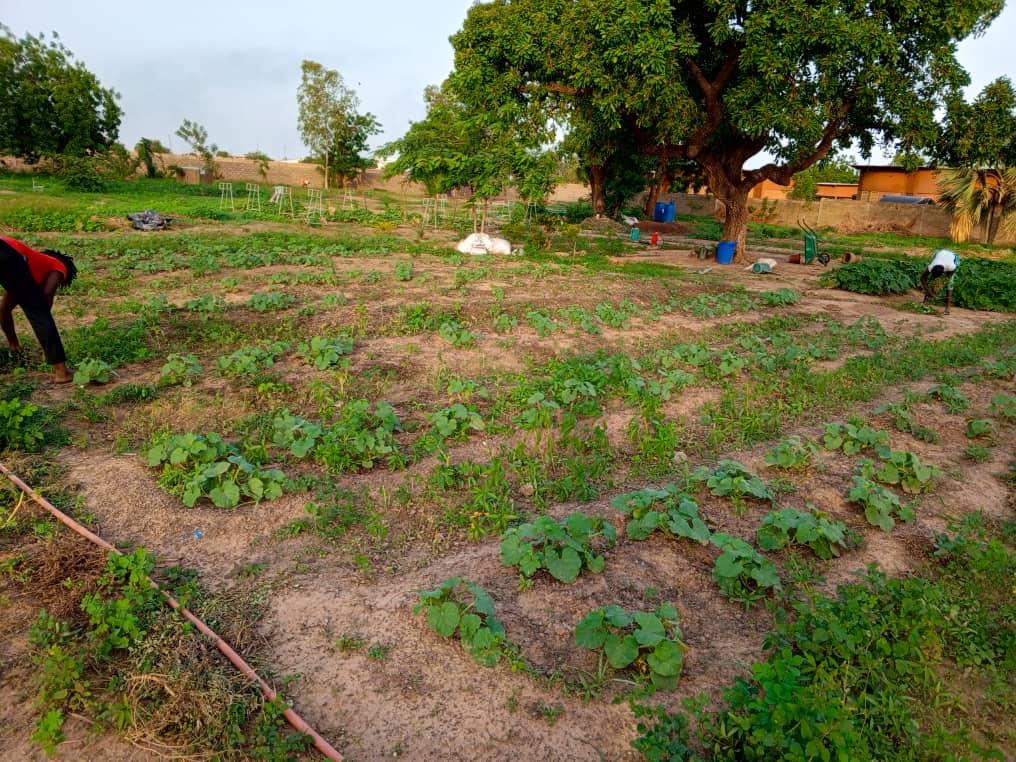
New beds have been planted in the garden and existing beds have been integrated into the overall cultivation plan. As before, each young mother was given responsibility for a certain number of beds, for watering, weeding, hoeing and staking, and for all the other operations required for cultivation. A crop association and rotation system was established.

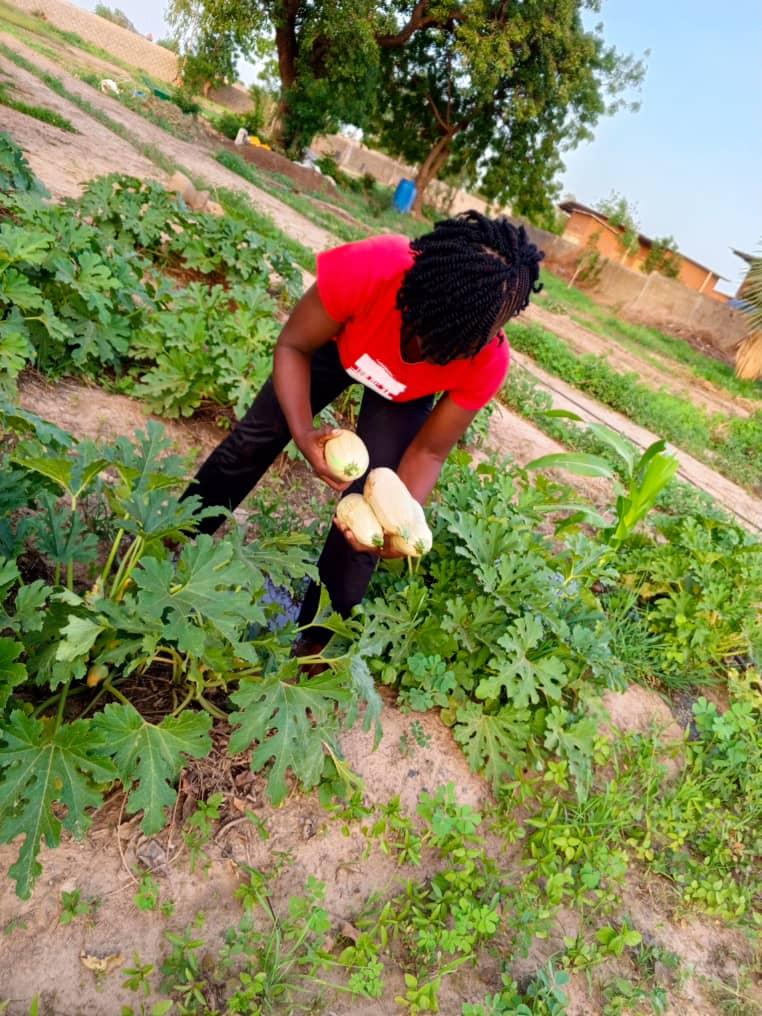
The major innovation in this second phase of the project is undoubtedly the development of management tools to record and monitor data generated by the garden in order  to weigh and quantify all the vegetables and fruit produced by the garden. These are then distributed to the nursery school for the children’s snacks and to the kitchen, to improve the diet of the young mothers and their children. By the end of the year, this information will enable us to know the annual production of the garden; add value to this production; know whether production meets consumption needs or what particular vegetables or fruit are missing; find out whether there are any surpluses to launch another economic activity, and if so, which one. The production and distribution for the school and the kitchen are being monitored by the garden coordinator and the Keoogo administrative manager. 

The young mothers who left the village are still being monitored. Of the thirty six who received training and then returned to their families: eleven have found jobs; seven are on training courses; ten are continuing their baking activities and eight are now living outside Burkina Faso.

Rotary Club of Madras Boys Town India, Gummidipoondi: Academic and Social Outcomes

India Madras Boy School

The current academic year 2022-23 is nearing its end. The final board examinations dates for boys in the 10th to 12th Standards are from 6th March to 10th April followed by exams for boys in the 6th to 9th Standards during April. 

Out of the eight students who left Boys Town last year after completing the 12th Standard, seven have opted for higher studies and are pursuing Bachelor degrees in different subjects – Botany, Computer Science, Chemistry, Commerce etc. and have been awarded scholarships by the Rotary Club of Madras. One student opted for a vocational course in Motor Mechanics at an Industrial Training Institute. 

Some of the special events that have taken place in the last three months are as follows:

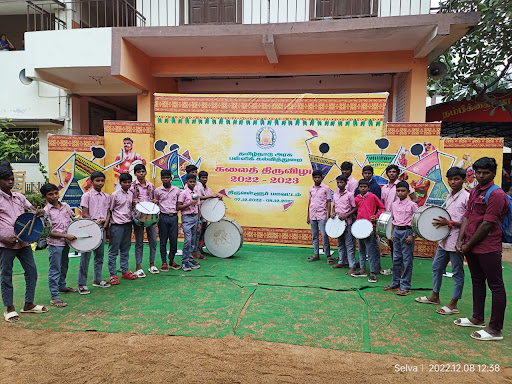
In December, the Tamil Nadu School Education Department held an inter-school music festival competition between a few local villages. Fifteen students participated in this competition from Boys Town and ten of them were selected for the next round to participate in a District level schools’ competition. All the boys did well and received appreciation certificates.

On December 2nd, an NGO, the Soragugal Foundation, organised a quiz competition for students in the 10th Std. Two of our ICT sponsored boys won the first prize and each received an electronic tablet.

Also in December, as part of the special counselling programme run by Aarupadai Veedu Medical College, Pondicherry, an Outreach programme about meditation and environmental education was organised due to Rotary links with the college. At Boys Town, all the regular activities, such as yoga, music, physical training and tuition sessions, continue to run for promoting the physical and mental health of the students.

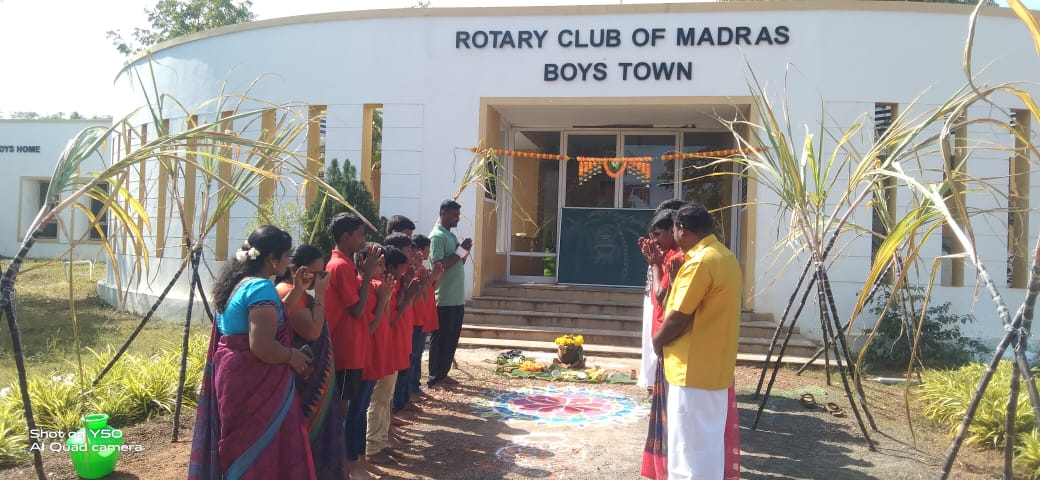
In January, the Pongal harvest festival in Tamil Nadu was celebrated at Boys Town to show gratitude to nature after the harvesting of crops such as rice, sugarcane and turmeric. On this auspicious day, a special sweet rice dish (Shakkar Pongal) was cooked in a clay pot. All the boys said prayers for strength and good health and then ate a delicious breakfast and lunch and enjoyed this seasonal festival.

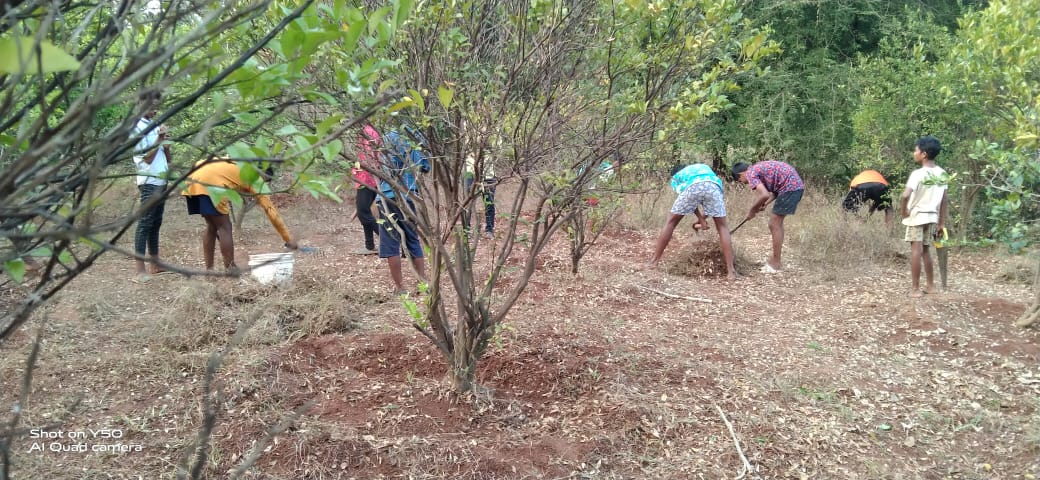
This year an ecological club (ECO) was formed made up of twenty students who want to encourage a ‘greener’ world and actively participate in gardening activities. The group also includes four members of the ‘Interact’ club at Boys Town, founded by Rotary International and sponsored  by the Rotary Club of Madras.

On January 8th, Rtn. Prem Abraham from the Rotary Club of Walnut Creek, California, USA visited Boys Town, accompanied by some members of the Rotary Club of Madras. He was appreciative of the efforts that have been made by the Club for conceiving the idea of Boys Town and the way in which it is organised. He spoke to some of the students and donated items for indoor and outdoor games.

JUCONI Mexico, Puebla: Working Through Emotions to Make State Schools Safer

This workshop programme has evolved with an emphasis on the importance of emotions and the way in which both students and staff manage them in order to promote learning. It is very hard for children to focus or connect with classroom content if they feel worried, sad or over-excited. The same is true for teachers, and their management of their classroom can dictate how effectively they are able to teach their students. 

For this reason, the workshops implemented by JUCONI in preschools and primary schools have continued to provide children and teachers with the tools to manage their emotions and to make schools safe spaces to learn and work. 


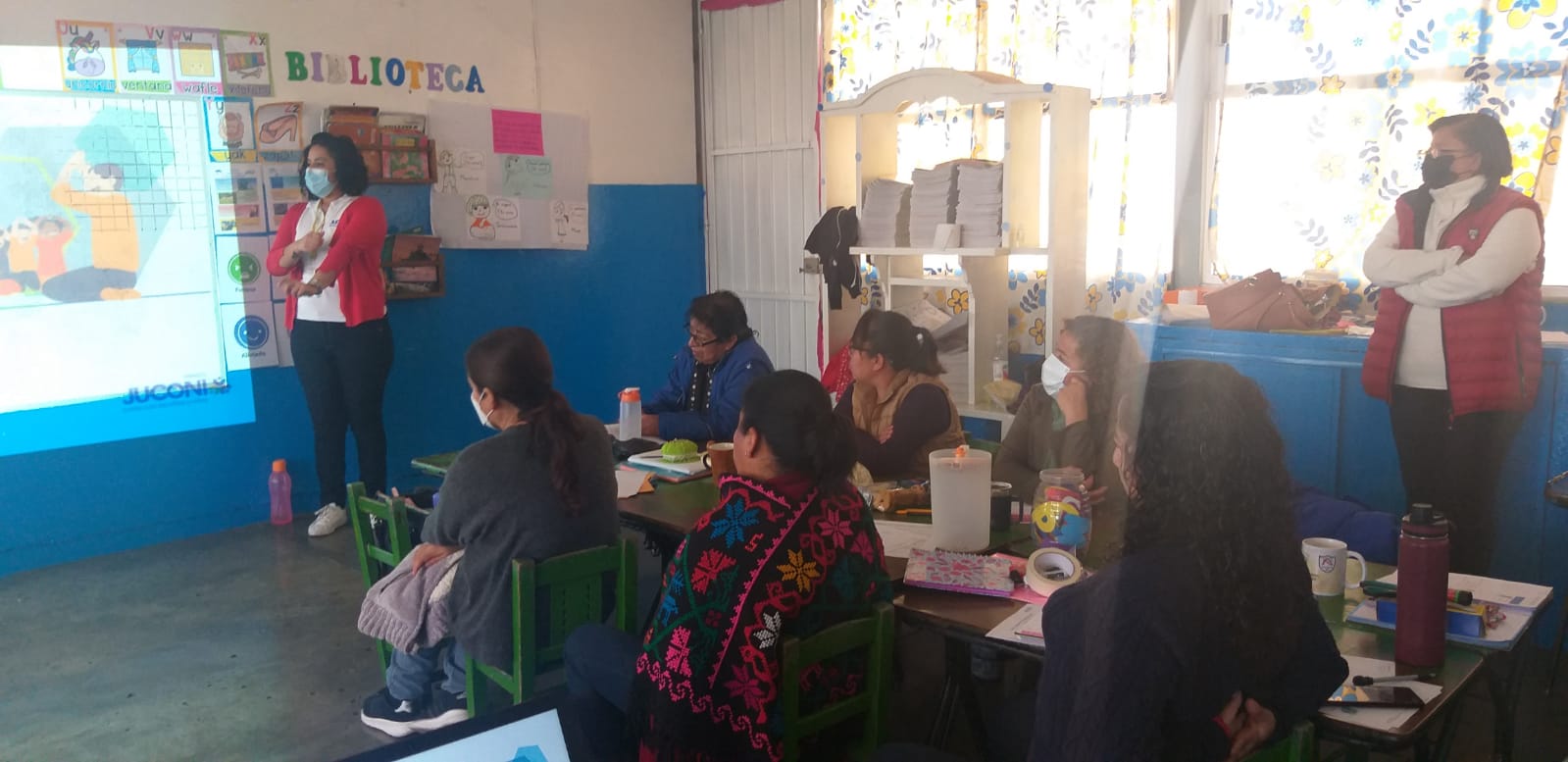
The teachers who have attended the workshops are making use of the ‘emotion’s thermometer’, which is a visual tool for helping young children put a name to their feelings and their emotional intensity. Teachers have also participated in developing a ‘personal security plan’ for their schools.

During feedback, a teacher mentioned that “The workshops really make me think about my students and reflect on how their emotions might affect their academic performance.” Another teacher said “I have found the topics covered by the workshops to be very appropriate and I think that these tools will help us and our students greatly.” 

All participants would like to have more workshop sessions because they believe it is important to explore the tools for managing emotions in greater depth due to the responsibilities that they have in their roles. A teacher concluded that “This kind of workshop contributes to the security of not only teachers and students, but of all members of the school community.” 

During the past few months, JUCONI has worked with four schools resulting in sixty-six teachers attending our workshops. As a result, approximately 1041 children have directly benefitted from them.

JUCONI Ecuador, Guayaquil: Achieving Against the Odds

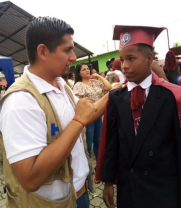
We are happy to report that several boys and girls who are part of our family psychotherapeutic intervention programme have now completed their primary education. It was a great pleasure to accompany them to their graduation ceremony because we believe that it is important to show unconditional support for these children’s achievements by praising their academic progress and encouraging them to remain in the education system. Furthermore, a number of families have achieved more stable home environments through the programme and are being advised to carry on attending our community spaces. At the same time, new families are joining JUCONI.

Our community workshops to prevent violence continue to take place on a daily basis in the Socio Vivienda II and San Francisco districts. The children really enjoy participating in these spaces, as do their caregivers. In comparison to last year, we are pleased to have enrolled more caregivers into our workshops. They are all committed to bettering  themselves in order to become positive role models in their homes  with their families, as well as within their communities.

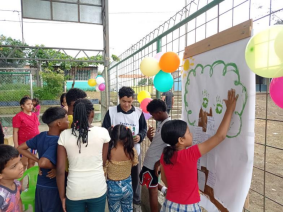
During these workshops, both adults and children perform different dynamic activities that facilitate a better understanding of the topics that are being taught within the framework of children’s rights.  

The security crisis in Ecuador has continued, but children need to attend school. Consequently, we have developed a plan to promote safer school environments in certain schools in Guayaquil because they are in high-risk areas where organised crime takes place. To achieve our objectives for the academic year 2023-24, we are working closely with the Northwest Network and other social organisations as well as local and national government groups as part of a political advocacy initiative.


SERVE Sri Lanka, Ratmalana: Progress and Challenges of Saplings Preschool Project

Currently there are twenty-eight children (fourteen boys and fourteen girls) studying at Saplings Preschool.  

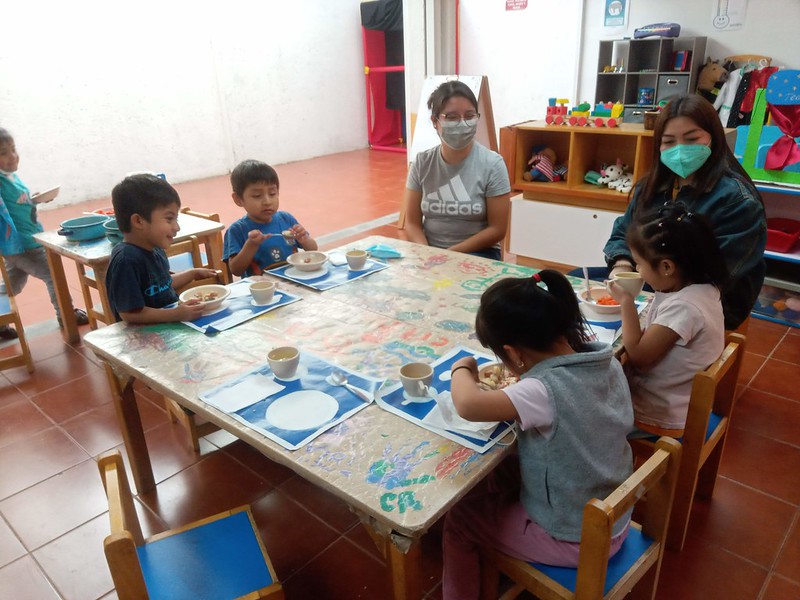
In their classes, pupils are engaged in learning letters and words in Tamil and English. Drawing and painting materials are provided so that the children can draw and do craftwork and other activities that develop their creativity skills. Pupils also learn new songs and poems with a volunteer teacher, and perform them in their morning assemblies. Other indoor activities include solving puzzles and using building blocks. Outdoor games are supervised by their class teacher and these activities have made the children very happy after months of staying at home due to the many challenges they have faced during the pandemic and the economic downturn in Sri Lanka. Every Friday, the cleanliness and tidiness of the students is checked by their teacher.

The children are still supplied with nutritional snacks because families are facing many challenges in feeding their children.

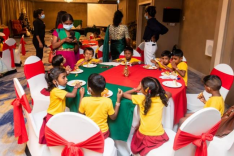
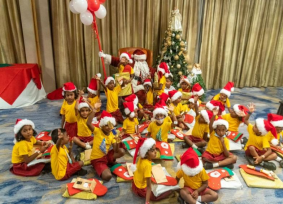
At Christmas, via SERVE, the children were invited as guests to the Hilton Hotel in Colombo to switch on their Christmas tree lights. Transportation was provided by SERVE and the Hilton covered the cost of everything else. Pupils enjoyed this special day, which included eating delicious food, playing various games, dancing and watching a magician’s show. Every child was given a gift at the end of the party.