Chiedza, Zimbabwe: From being out of school and getting to university

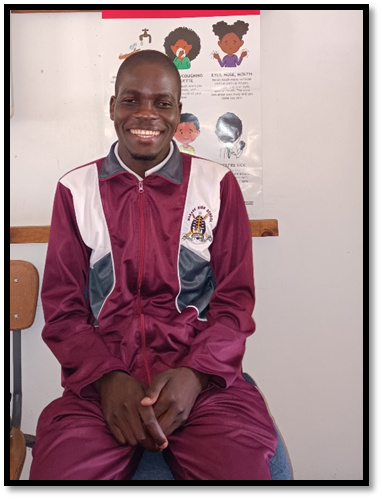
Kunashe and Tinotenda were five years and three years old when their mother passed away. Their father later remarried but life was difficult and the boys struggled to get educational support. When they were in Grade 7, they stopped going to school for one and a half years. When community volunteers identified them as not attending school, they were referred to Chiedza. The organisation understood their situation, decided to support them and they were enrolled into Form 1. The brothers received support until they passed their ‘O’ levels at the first attempt. Chiedza then sent them to attend ‘A’ level classes at Harare High School. They have passed their exams and are waiting for the results in August. More recently, the brothers have said “we are so grateful to Chiedza for their support, they restored the hope that we had lost and now we are looking forward to a brighter future as we await entry into university.” 

The brothers have applied to the University of Zimbabwe. Tinotenda has applied for a course in forensic psychology and criminology as his first choice and his second choice is criminology and society. Kunashe has applied for a course in media and marketing communication and his second choice is multicultural heritage and tourism. Tinotenda wants to be a psychologist after he completes university and Takudzwa wants to join the tourism sector.
Chiedza Child Care Centre Zimbabwe, Harare: Getting Children Back Into School

Update on the seven children funded through the ICT Relief Fund and the Rotary Club of Coventry. We continue to feature profiles of children on the project.

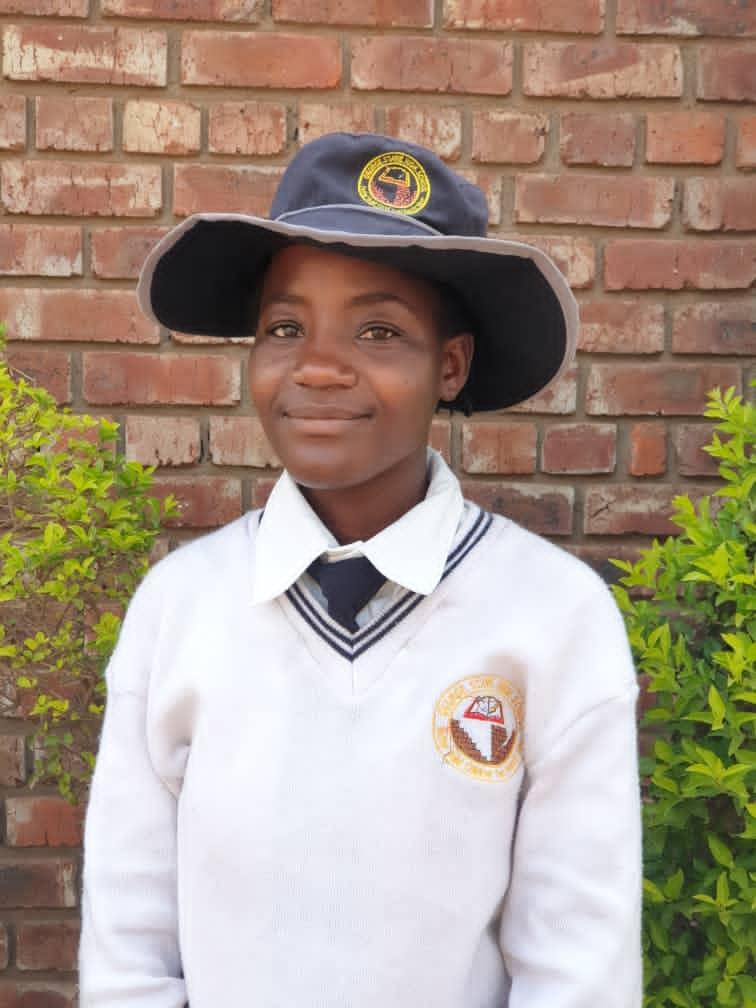
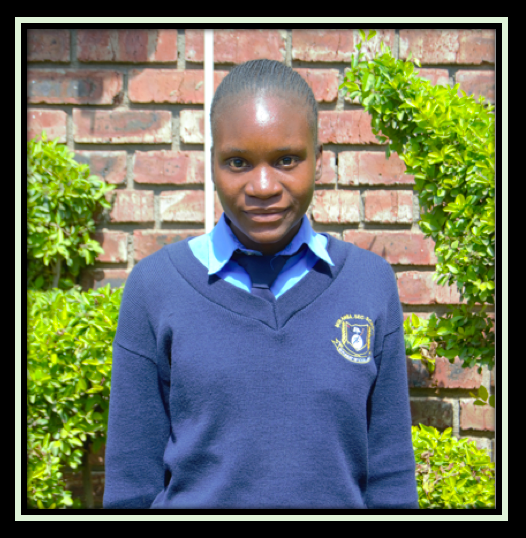
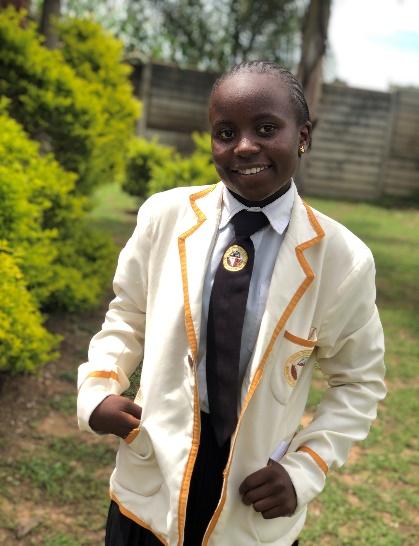
Chenai is now 18 years of age and is one of the bright students who has benefitted from the Chiedza out-of-school project. Before she came to Chiedza, she had dropped out of school after completing primary school because her mother was not able to afford the fees for secondary school. Chenai was then helped by Chiedza to access secondary education and in 2021 sat her final Form 4 examinations with the Zimbabwe Schools Examinations Council and passed in five GCSE level subjects, including Combined Science and Geography. She is currently studying ‘A’ levels in Family and Religious Studies (FRS), Sociology and History at George Stark High School and says “I am working hard to pass my exams with ‘A’ grades because I want to study social work at a university in the United States.”

C:\Users\Administrator\AppData\Local\Microsoft\Windows\INetCache\Content.Word\IMG_1972.jpg

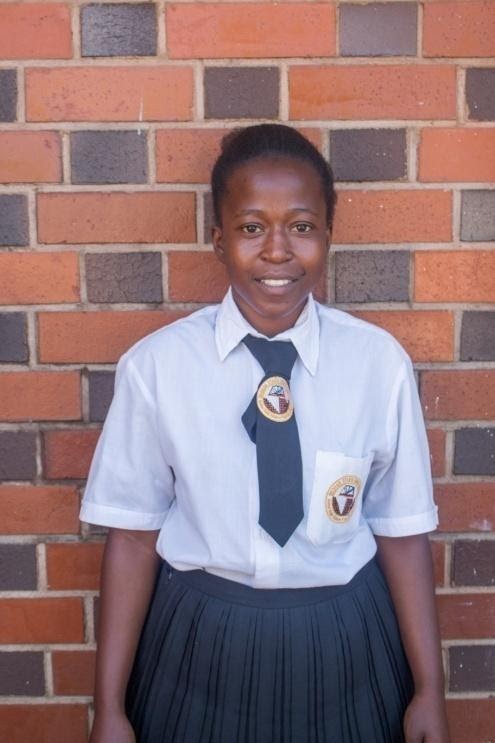
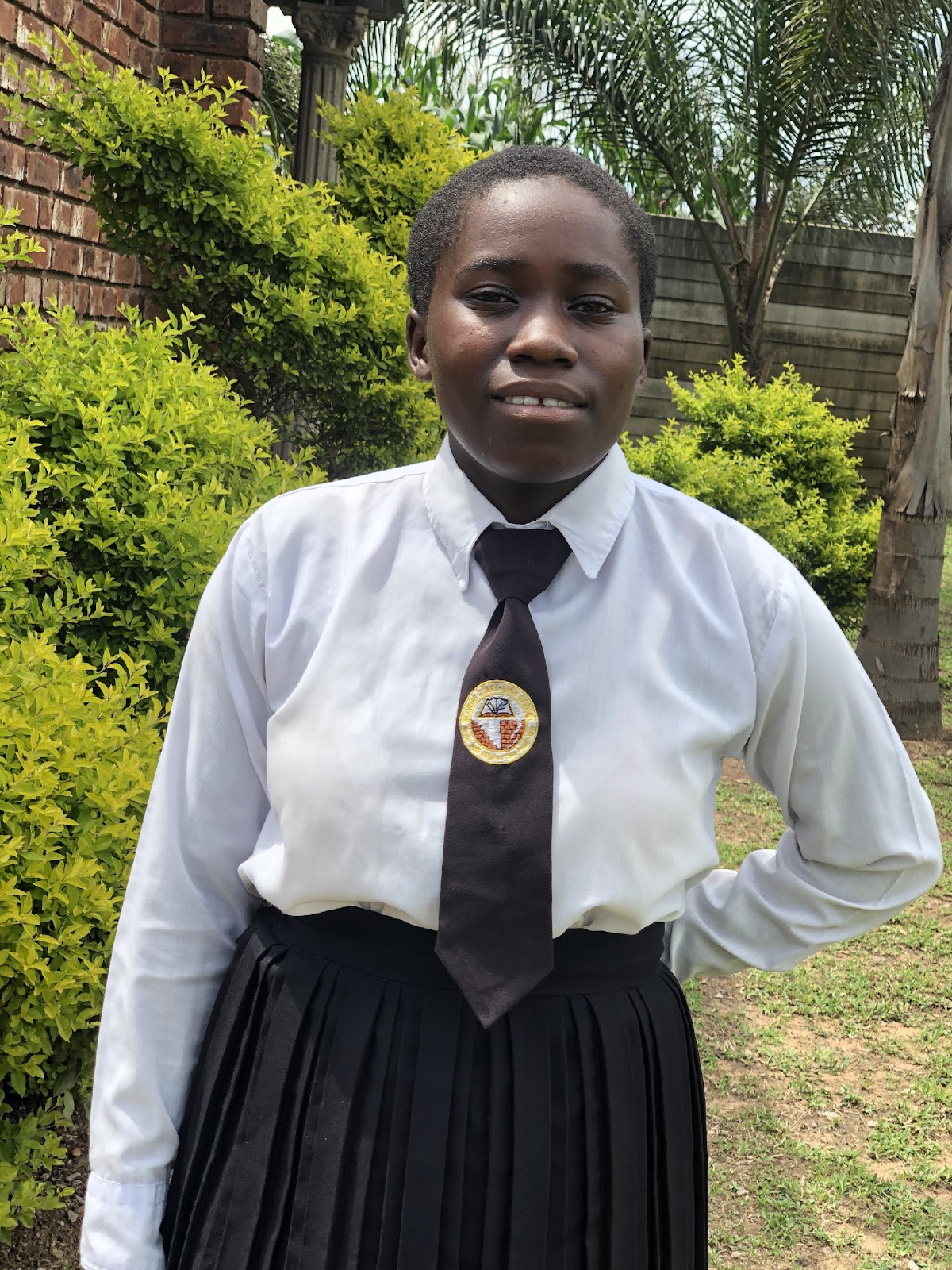
Marbel is now 18 years old and says “My father is the breadwinner in our family and when he lost his job in 2022 and could not pay my school fees, I was on the verge of dropping out. I was about to sit my final GCSE examinations too, but fortunately, Chiedza contacted me and everything changed for the better. I started going to school again, sat my GCSEs and passed in eight subjects including Mathematics and Combined Science.” Marbel is now studying Family and Religious Studies, History and Sociology at Advanced Level. In the future, Marbel wants to pursue Law at university and become a lawyer. She is quoted as saying, “l want to put all my efforts into school work and be successful so that I can  help other vulnerable children.”

Chiedza Child Care Centre Harare: Sponsoring a Child’s Education

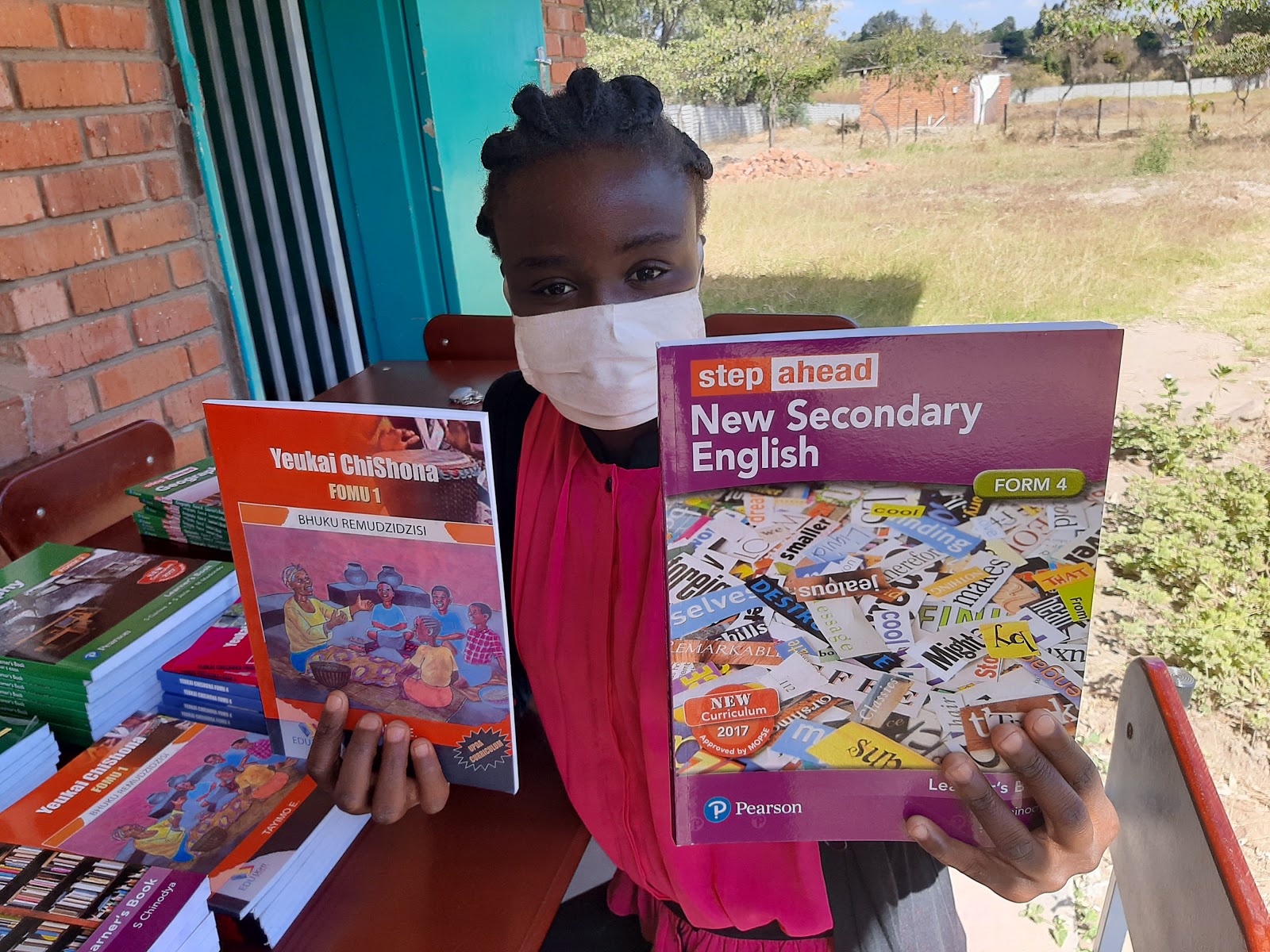
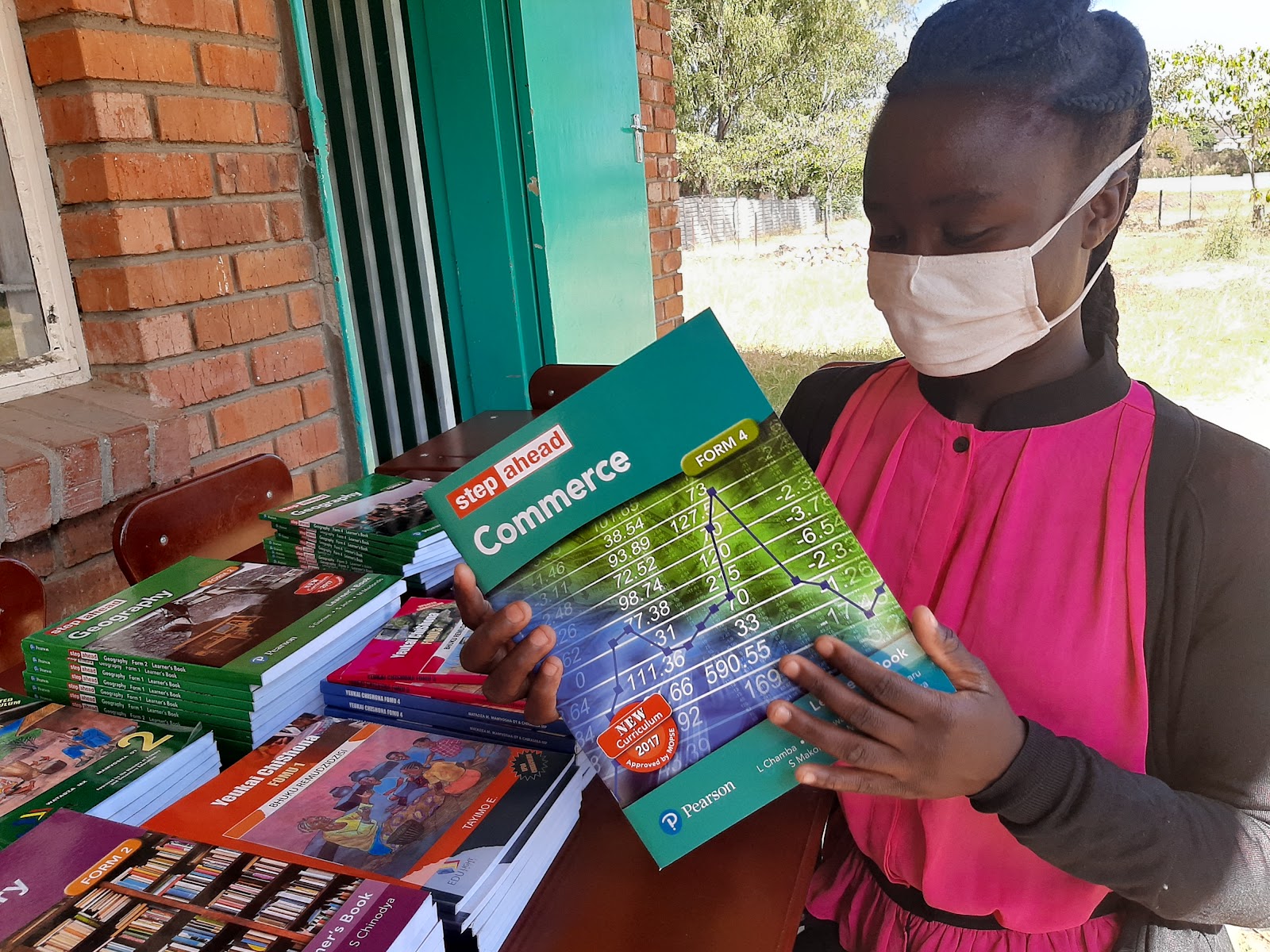
Zimbabwe - Chiedza textbooks

The seven learners sponsored by ICT are going to two different public (state) day schools but because secondary education is not funded by the government, support is needed to cover their school fees. Three students will be sitting for their final high school national ‘A’ level examinations between October and November of this year. 

In 2021 The Ministry of Primary and Secondary Education introduced Continuous Assessment Learning Activities (CALA) for examination classes and this year to pre-examination classes. Four of the learners that are being supported are concentrating on doing the CALAs which have become part of the examination requirement by the Zimbabwe Schools Examination Council (ZIMSEC). 

It is encouraging to note the enthusiasm shown by all the supported learners as they feel that they now have hope for a better future through education.

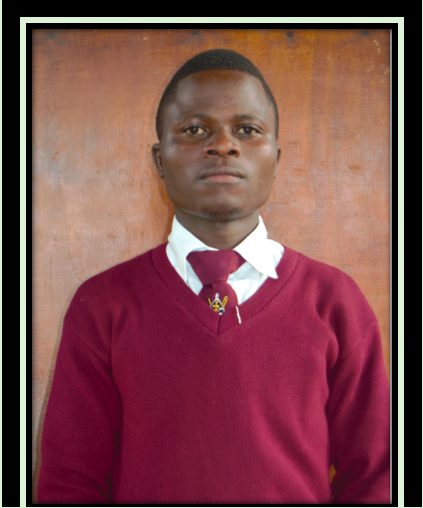
“I am 19 years of age. I am a Form 6 student at Harare High School. Chiedza Child Care Centre has been paying my school fees since 2016. Not only have I had financial support but I have also received social support in the form of guidance and counselling, plus clothes and stationery. I am so grateful to Chiedza as they have helped me to achieve my long term goal of pursuing ‘A’ level courses. I am looking forward to doing a degree in social work at the University of Zimbabwe after sitting my exams.”                                                                                                                  

“My journey from Form 4 to ‘A’ levels. Firstly, I would like to thank Chiedza Child Care Centre for giving me the opportunity to go further with my education. I came here when I was in Form 2 and now I am in Form 5. I don’t know how to express it but I am so glad for the care and support which I have gained from the organisation – I have become ‘someone’ through the centre. I am specialising in arts subjects; including Shona, history and family and religious studies and I am studying at George Stark High School. ‘A’ levels are difficult but the solution is to read widely through this level because if you relax it is easy to fail. When I have finished my education, my dream job is to become a social worker.” 

Chiedza Child Care Centre Harare: Empowerment Through Education.

Below is a story about a girl who progressed from our out-of-school programme and is currently training in ‘Early Childhood Development Education’.

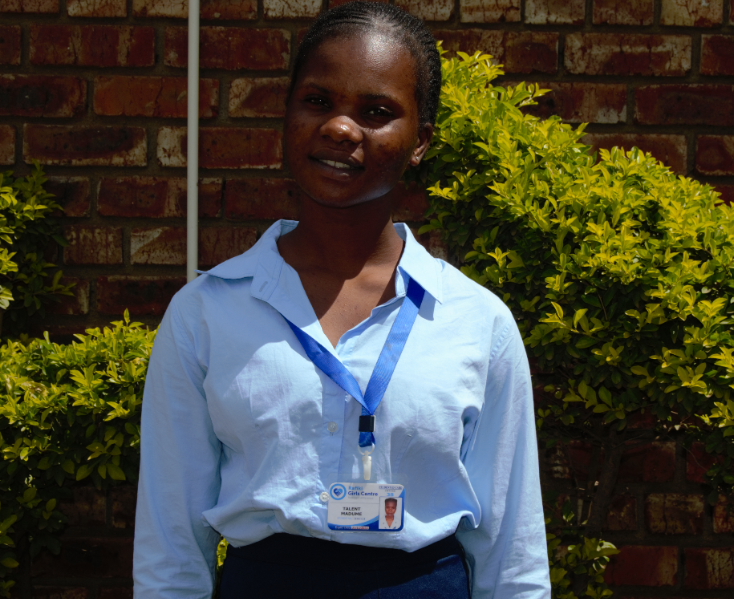
Talent is a 20 year old girl whose parents separated when she was still an infant. Growing up, she lived mostly with her maternal grandmother because her mother survived on informal trading and was rarely able to take care of her daughter. Talent dropped out of school after completing her primary education. When she was identified by a community volunteer as being out of school she started accessing education at Chiedza out-of-school programme. She remained supported until she sat her GCSE examinations in 2020 and passed in four subjects. When Talent’s mother became ill and bedridden, Talent was the only person available to care for her so she could not take up the offer of retaking some GCSE subjects in order to proceed to ‘A’ level courses. More recently, Talent opted for vocational training and is currently enrolled at the Rafiki Girls Training Centre and following an early childhood development training course. Talent very much appreciates all the support and mentorship she has received and continues to receive from Chiedza Child Care Centre, as it has helped her to become the person she is today. 

She is quoted below.

“I want to thank all the Chiedza staff for the loving care that they extend to us children. If it was not for Chiedza I don’t know where I would be today. Most of my friends dropped out of school due to early marriage and pregnancies but the counselling we have had has helped to shape my life choices. I am grateful for all the support and I can foresee a brighter future for myself and my grandmother.”

C:\Users\CHIEDZA CHILDCARE C\Desktop\Report 2022\Talent Madume.PNG

Chiedza: Supporting Seven Vulnerable Children to Continue in School in Zimbabwe.

Chiedza continues to support vulnerable families by helping children to access free basic education at their centre and to strengthen the economic capacity of their main caregivers, through support with income-generating activities. Due in part to the pandemic, the caregivers of seven children who have been integrated into secondary school are struggling to earn their income through their micro-enterprises and their children are in danger of dropping out. It is against this backdrop that the organisation has decided to support these children for one year, while their caregivers are reviving their businesses. This has been made possible with support from the ICT COVID Relief Fund and the Rotary Club of Coventry.

Below are two of the children who are benefitting from this bursary.

Tinotenda is a nineteen year old maternal orphan who is studying for his ‘A’ level examinations. He is currently living with his father and stepmother. There are five children in the family and all are attending primary and secondary schools. Chiedza has decided to give financial support to Tinotenda so that he can complete all his ‘A’ level courses.

Chipo is sixteen years of age and studying for GCSE ‘O’ level examinations in November of this year. Chipo’s mother is the head of the household of a family of nine children. When Chipo and her twin sister completed their exams in 2018, their mother could not collect their results due to unpaid school fees but was subsequently helped with this. Chipo is academically gifted and particularly wanted to complete her exam courses and Chiedza is supporting her to do this. Her twin sister is also continuing her studies and has been given a place in our out-of-school continuing education programme.

Chiedza Child Care Centre: Term 3 Achievements for the Out of School Programme

Chiedza Child Care Centre continues to implement the ‘Out of School Programme’ in the third and final term for 2021. A total of 160 children are currently attending. 

Both primary and secondary students have carried on utilising the resource centre where they can access the learning materials that they require for the Continuous Assessment Learning Activities (CALA). They are helped to do this by a learning assistant. The students also continue to get support from their teachers and their parents. In addition, Chieza also provides two hot meals for the children for six days a week. This has improved concentration, attendance and retention as the children come from families that struggle to provide more than one meal a day. Girls are also able to access health services linked to personal hygiene.

We are very pleased to share the news that seven learners have successfully progressed to  university. They are now studying for degrees in the following subjects: Development Studies, Community Development and Social Innovation, Zimbabwean History and International Affairs (2), Population Science and Applied Demography, Peace and Governance, and Medical Analytics and Informatics.

Chiedza: ‘New normal’ learning at the out-of-school programme in Harare

In Zimbabwe, schools were set to reopen on 4th January 2021, after remaining open for only four and a half months in 2020 due to the Covid-19 pandemic. When the number of cases escalated in December 2020 and January 2021, the Government of Zimbabwe announced another lockdown.

When the lockdown was lifted, a phased return to school was introduced with learners in exam classes starting on 15th March and the remainder returning on 22nd March. At the Chiedza Child Care Centre, it was a great relief for children and teachers to be together again, as the aim of this out-of-school programme for accelerated learning is to support orphans and vulnerable children in their return to mainstream education.

During the academic year 2020-21 sixty primary level learners were retained, of whom forty per cent were girls. Of these, sixteen girls and thirteen boys were integrated into government/public schools on 15th March. For the academic year 2021, when the programme closed for the holidays on 4th June, ninety-one primary learners were enrolled, of whom forty- one per cent are girls.

For 2020-21, forty-one secondary school level learners were retained on the programme, of whom fifty-six per cent were girls. All students moved up to the next learning level in this group, with six boys and seven girls progressing as follows: three have enrolled for ‘A’ levels at school, one is undergoing vocational training in motor mechanics, five are awaiting vocational training placements and four are retaking subjects at the centre. In addition, four learners sat for their ‘A’ level examinations and three will be progressing to university, with one learner awaiting a vocational skills placement as he did not get the required grades. 

For the academic year 2021, sixty-two secondary learners were enrolled on the programme, of whom sixty-one per cent are girls. 

As learning continues, all students and staff are following Covid-19 health and safety guidelines as set out by the Ministry of Health and Child Care. It has been noted that learning has been greatly disrupted by the emergency situations that have arisen due to the pandemic and Chiedza is continuing in its efforts to mobilise resources to facilitate online learning for learners.

Chiedza Child Care Centre: Success story from the out-of-school programme in Zimbabwe

Danai is currently studying for a degree in Peace and Governance at Bindura University of Science Education in Zimbabwe. In the future she hopes to attain a first-class degree because it will enable her to become a policy analyst for an international non-government organisation. This is her story.

In 2015, Danai had to drop out of school due to health issues and because her parents were  unable to support her financially. In 2016, a community volunteer approached her mother and told her about the non-formal education programme run by Chiedza, and she agreed that her daughter could enrol on it so that she could return to the education system again. 

Thanks to Chiedza, Danai’s  school fees were paid and this gave her access to computers for her coursework. She was also helped with hygiene products, clothes, stationery and even food. In 2017, she sat her ‘O’ level exams and passed in six subjects. This enabled her to progress to higher level courses and with the continued support of Chiedza, she sat her ‘A’ level exams in Mbare in 2019 and was successful. Danai also benefited from Chiedza’s special ‘English Access Micro-Scholarship Programme’ where she attended classes in ‘life skills’. The motivational speakers that came to Chiedza inspired her to think about a more positive future and today Danai concludes that “the Chiedza Child Care Centre transformed my life from being very hard to something special.”

Chiedza Child Care Centre: National plans for reopening schools in Zimbabwe

Like many other educational organisations, Chiedza Out-of-School programme has been disrupted by the Covid-19 pandemic and children have been unable to attend school for seven months. This has been particularly hard for the children as most primary learners, for example, live with caregivers who do not have phones so contact with them was impossible.

When some lockdown restrictions were lifted in July, the Ministry of Primary and Secondary Education gave permission for examination classes to run from the 28th July. Chiedza therefore reopened its doors to examination level students for two days per week to allow face-to-face interaction between students and teachers. Secondary learners were given a series of home-study packs to work on, which were later marked and returned to them for revision purposes. 

This timetable helped the children to stay in touch with their teachers and to focus on their studies. Twelve students will be sitting their ‘O’ level exams from the 1st of December and four students for their ‘A’ level exams from the 3rd of December.

During September, Chiedza developed its own standard operating procedure in order to remain compliant with the new regulations set out by the Ministry of Primary and Secondary Education. Training also took place for staff, learners and parents; and this was run by Medecins Sans Frontières and Harare City Health Department. In addition, the team acquired Personal Protective Equipment for use by everyone on the school premises. As a result of the Ministry’s school reopening plan, Chiedza has been able to readmit children in different phases for the last three months. The first group of learners allowed to return were the fourteen secondary level students sitting national exams in December. Level 3 students, Grades 6 and 7, returned on the 26th of October and the remainder returned on the 9th of November. The school day for primary aged children has been adjusted to ending at 1pm rather than 4pm in order to minimise contact during playtime and informal socialising at the school gates.

Leading the efforts to improve learning outcomes for orphans.

Zimbabwe

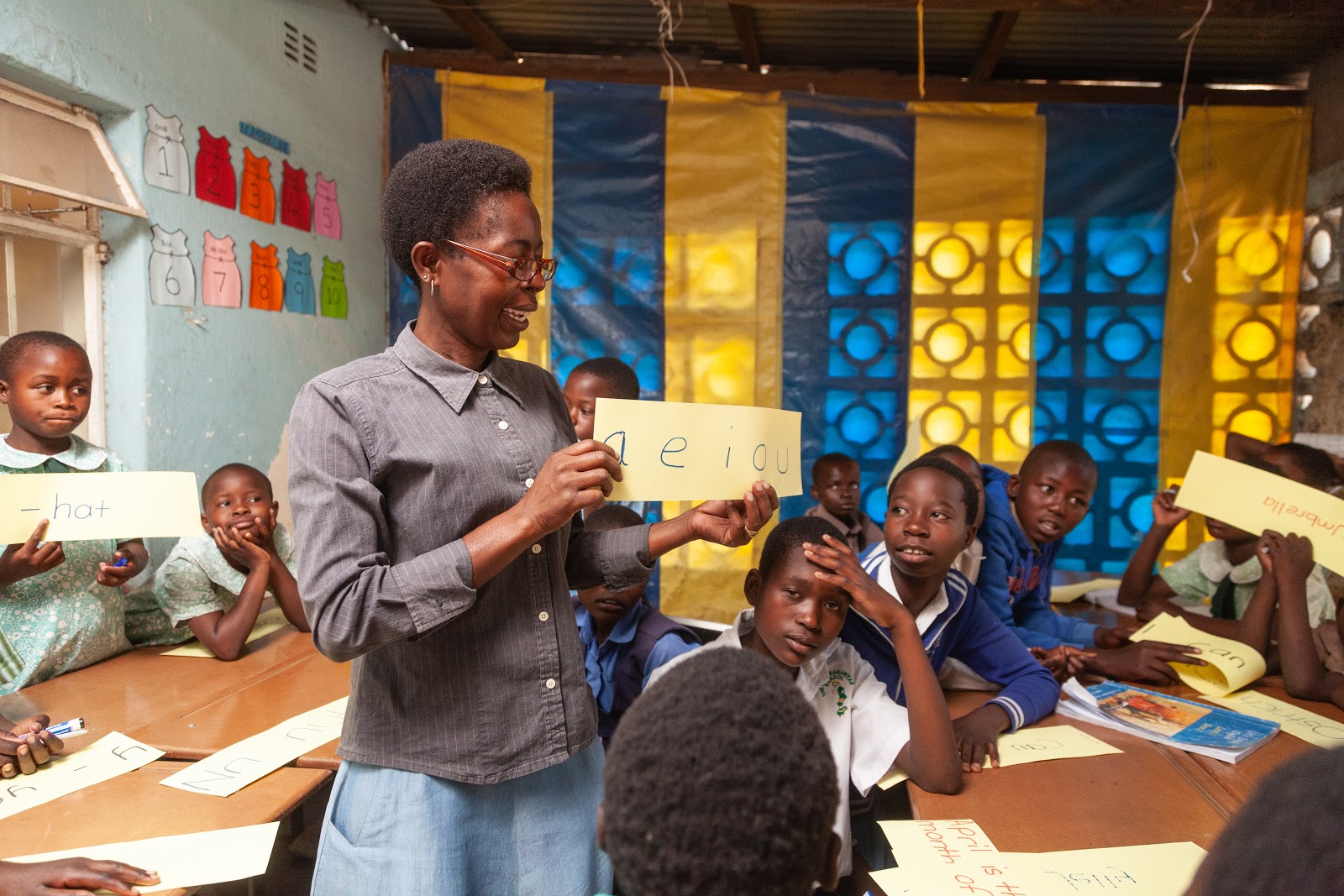
This out-of-school programme in South Harare, offers accelerated learning for primary school children who have not attended school by the age of nine or who have dropped out before completing primary education. The centre also welcomes secondary school aged children that have failed to progress from primary to secondary school and those that dropped out before completing their secondary education.

In March and prior to the Covid-19 lockdown, one hundred and five primary learners (48 girls – 57 boys) and sixty eight secondary learners (37 girls – 31 boys) were enrolled on the programme. The school was initially designed to take between fifteen to thirty pupils per year but due to the current economic hardships in Zimbabwe, more and more children are in need of support. This year, fifteen pupils are expected to sit for the National Ordinary Level examinations and four for the National Advanced Level examinations, giving the children the opportunity to re-integrate into mainstream education. 

To comply with the new curriculum introduced by the Ministry of Primary and Secondary Education in 2017, the school urgently needs to improve educational outcomes for these children. This is being done through increasing the number of staff and providing training for them, supplying new teaching/learning materials  and improving the quality of classroom furniture. Thanks to the kind support of the Rotary Club of Coventry, we have purchased materials and furniture for the school which include single desks and chairs for the classroom and textbooks for both learners and teachers.

Under lockdown guidelines, teachers have continued to follow and prepare home assignments for pupils who will sit for public examinations in November. They were encouraged to go to the centre twice a week to meet up with their teachers and submit or collect their assignments. Pupils have also continued to have access to the school resource centre for reading materials. 

By promoting learning opportunities and offering access to quality and inclusive education, the school is expected to go a long way in improving learning outcomes for orphans and poor children.