JUCONI Ecuador: Dealing With a Surge in Violence and Increased Insecurity.

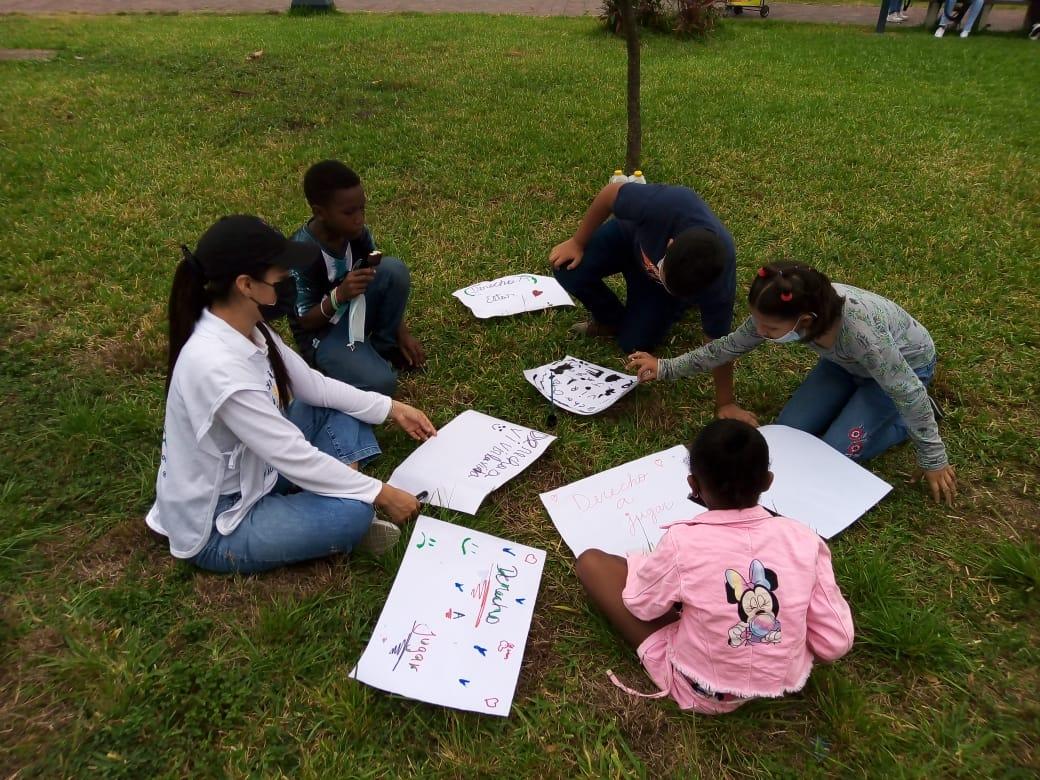
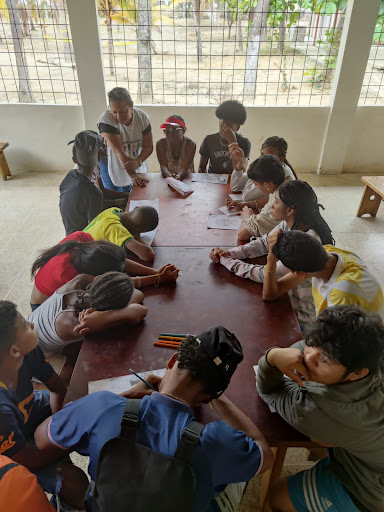
Unfortunately, the insecurity in Guayaquil has continued and deteriorated. Consequently, many schools located in the peripheral area of the city have returned to online classes in order to avoid children being exposed to this danger. Those who have no access to the Internet, often go to their neighbour’s homes and do classes with their school friends or collect worksheets from their school and return them for marking. Most of the time we continue with our planned activities as normal and try to operate the safe play spaces on a weekly basis. They are still the only places where the children enjoy a positive outdoor experience free from violence.

As part of the community, we at JUCONI Ecuador, see it as our job to support all the schools attended by 3,500 students in Socio Vivienda II and so we applied for permission from the Sub-Secretary for Education to hold a five day workshop that focused on creating and reinforcing security measures for the protection of children in schools. Thirty five teachers, who are also the risk assessment managers in their schools, participated in this five day workshop led by an expert in risk assessment and by the executive director of JUCONI. 
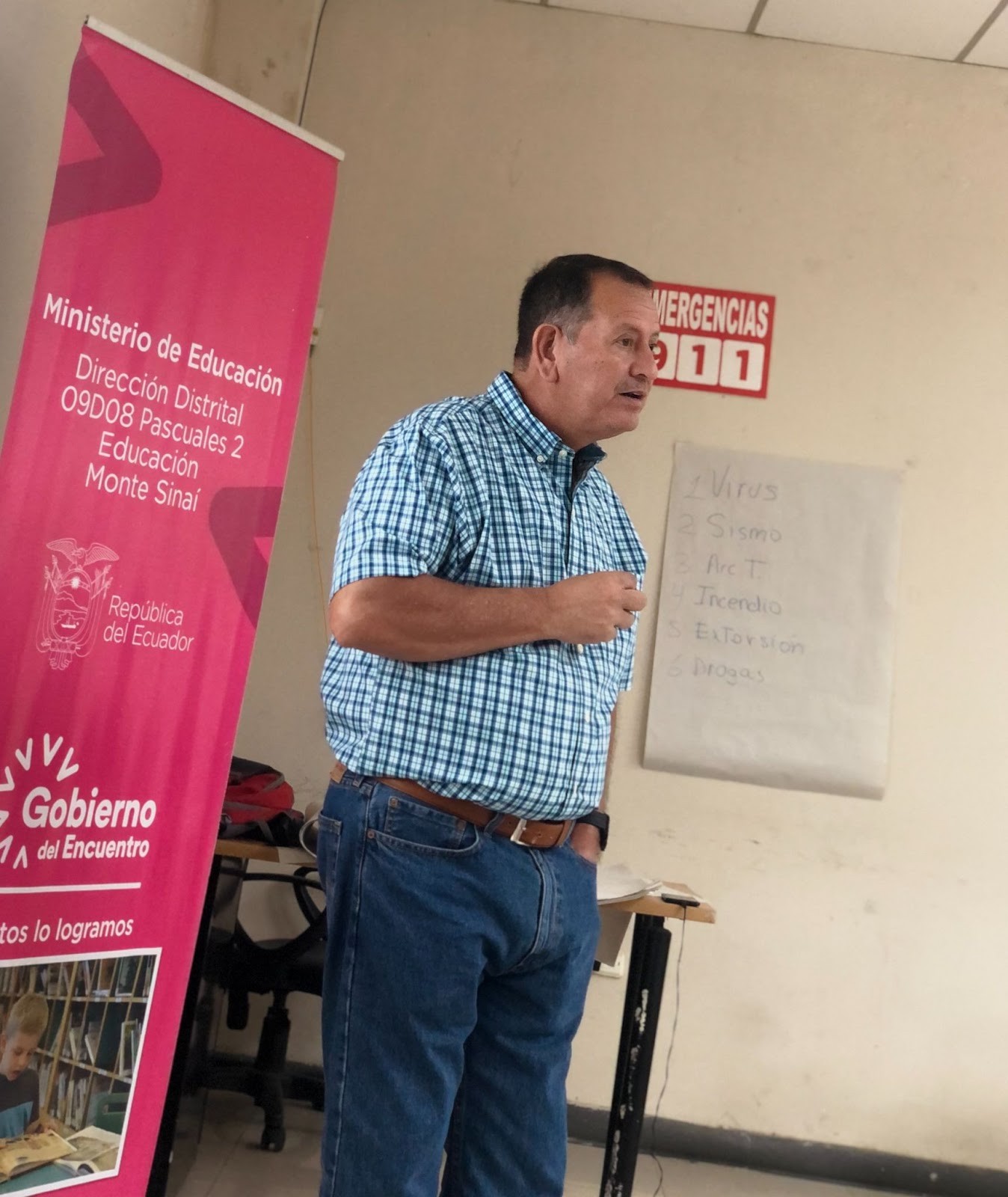
Those who attended, reported that not only had they gained knowledge on the most effective ways to address unexpected situations with their students but also how to offer them physical and emotional support. As a result of this workshop, a new  security protocol has been created for teachers to apply when there is an emergency or a disaster. This information has also been shared with caregivers by the JUCONI team.

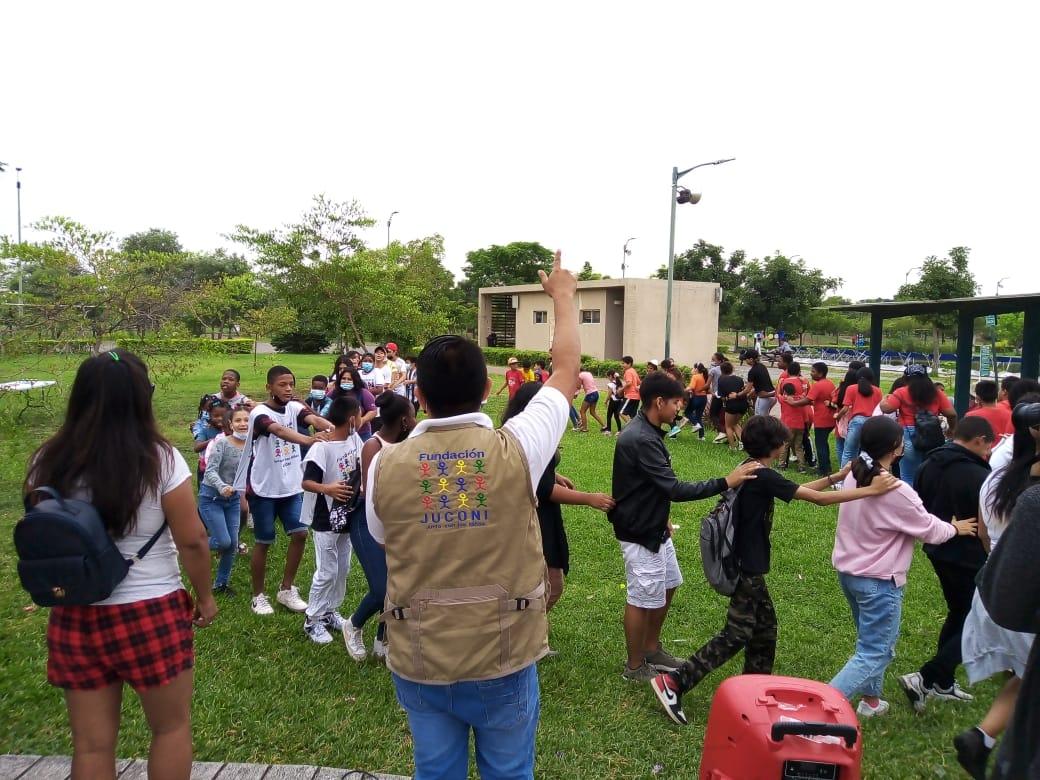
Despite the complicated security situation, the children on the JUCONI programme  were recently taken on a two day camping trip and stayed in a Salesian hostel in General Villamil Playas. The objective was to encourage those present to reflect on how their own behaviour impacts on others and themselves, but through small actions, they can generate positive change. Some of the group activities that took place involved building a wood fire, having a mini football tournament and holding a talent night. All the children enjoyed sharing these experiences with each other. 
JUCONI Mexico: Upgrading Education Facilities to Provide Safe and Non-violent Learning Environments in Puebla.

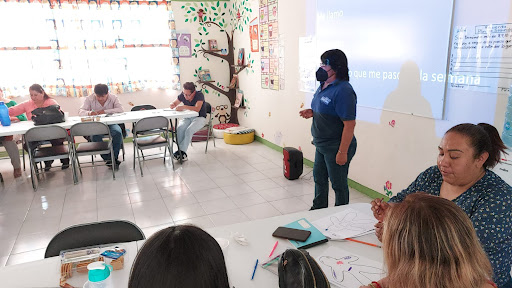
JUCONI’s workshop programme has been successfully implemented and is now being rolled out and welcomed by teachers in other primary and nursery schools in Puebla, Mexico. The utmost importance of working with teachers in the first instance has been recognised by school principals and encouraged them to seek guidance from JUCONI. Throughout the workshops, JUCONI has helped teachers to understand what safe spaces are, the requirements for them to exist and to reflect on how change and security start with themselves. 

During one of the workshops, a participant commented that the content of the course was really focusing on teachers and helping to develop self-care tools that made them feel safe, so that they are able to replicate similar behaviour and conditions with their students. 

Each workshop includes five base sessions, with two additional sessions for case studies, which are optional. They occur on a weekly basis or once every two weeks and have a duration of 1hr. 40 mins – 2 hours. They usually take place in the mornings/early afternoons or at a time suited to school timetables and teacher availability. During the pandemic, the workshops were online, but since the beginning of 2022 JUCONI has been able to have in-person meetings. A trainer from the JUCONI team runs the sessions and is sometimes helped by a college student doing community service. 

The content of the workshops includes explanations and elements of a safe environment and a set of tools for teachers to implement in terms of their personal safety both inside and outside the classroom, alone and with their students. In addition, teachers learn that a safe school environment does not only involve physical safety, but also psychological, moral and social. Some of the tools that teachers are introduced to are; the ‘emotions thermometer’ with illustrations of emotions, a ‘safety plan’, gaining access to the community + community activities and specific plans of action. 

Five schools will have received the workshops by the end of the second semester of 2022, amounting  to a total of nine schools for the year. This includes three primary schools, with thirty five teachers undertaking the training and approximately 1064 children benefitting. The workshop has already been implemented in one nursery school, with nine teachers doing the training, and 177 children benefitting. The other nursery school will implement the workshop starting in mid-November and finishing in January 2023. 

The response from the schools has been great and the reputation of the workshops is spreading. JUCONI also provides smaller workshops for caregivers, which consist of three sessions where topics such as emotions, positive parenting, and effective communication are included. These in-person workshops aim to be dynamic and show caregivers the importance that the first years of life have on a child’s development so as to raise awareness and promote a loving, caring upbringing. In the second semester, JUCONI carried out workshops in three primary schools and one preschool, impacting a total of 352 caregivers. 

JUCONI ECUADOR: Our Psychosocial Programme Continues Despite Security Issues.

In April and May, the city of Guayaquil in Ecuador continued to experience extremely violent events making the peripheral areas where JUCONI operates, even more unsafe. Despite these obstacles, the process of intervention and prevention was maintained and intensified even though there were times when the team had to evacuate an area due to a lack of security.

In April, members of the JUCONI team were able to provide an integrated service to accompany and assist families enrolled on the programme to receive their COVID-19 vaccinations.

As a result, the number of infections decreased, as well as their severity. In addition, JUCONI helped these families to receive small kits of vitamins and medicines, especially those who remain particularly vulnerable due to a medical condition. 

In May, when schools reopened, the children and adolescents on the programme were reintegrated into the education system. This was carried out through intensive monitoring by our key workers and resulted in the vast majority enrolling  and attending classes. A kit containing school equipment and a uniform was also delivered to each family to encourage and promote a positive commitment by the children and their caregivers to education.

In addition, in order to strengthen a sense of well-being in the children and their caregivers, the JUCONI team organised a number of excursions and walks in safer areas away from their communities.

The adults and children on the programme have said that these ‘away days’ have provided a place of refuge for listening, understanding and support. Consequently, we have decided to prioritise the implementation of a variety of these excursions to continue to enhance our work.

JUCONI Mexico: Planning Safer Classroom Environments in Nursery and Primary Schools.

Following on from the success of this project in three schools in Puebla, we are planning to work with 12 teachers in four nursery schools and 48 teachers in four primary schools this year. This could involve 144 nursery aged children, 1,200 primary aged children and approx. 256 caregivers.

After a number of COVID-19 lockdowns, the objective continues to be to reduce the potential for violence in schools by promoting the development of safer classroom environments in order to strengthen attendance and reduce the possibility of children dropping out. Through a series of workshops, training and guidance will be provided for both teachers and caregivers that will focus on nurturing the healthy development of the girls and boys in their care.

For teachers, innovative training activities will aim to develop and strengthen their skills so that the potential for disruptive behaviour in their lessons is reduced. Furthermore, they will be given specific guidance on identifying and supporting the most vulnerable children in their classes. Workshops for caregivers will include topics such as child development and positive parenting.

Rotary Club of Madras Boys Town Society Gummidipoondi: End of Year Exams and Plans for the New Academic Year 2022-23.

The final examinations for all classes for the academic year 2021-22 took place in May. The students sat their exams in their respective government schools approx. 3-5 kms from Boys Town and were taken there by school buses. All the students from the VIth to IXth Standards have been promoted to the next level. The results for those in the Xth to XIIth Standards are expected to be announced by the end of June. The progression routes for the students in the XIIth Standard will be finalised once the examination results have been announced.

Out of 51 boys, 46 returned home for the holiday and 5 remained at Boys Town for a variety of reasons. Those in the VIth to XIth Standards are due to return by the end of June as the new academic year will start on July 1st.

We expect that the total number of boys on roll in 2022-23 will gradually increase from 51 to 100 plus. After renovation work, we are ready for the new term and the use of upgraded facilities with technologically enhanced classrooms, an online IT package for spoken English and a refurbished library.

Our main focus for this academic year will be to create a nurturing, empowering, sustainable environment for the boys and to provide a good quality, holistic level of education. We are aiming to increase an interest in learning; to recognise and hone individual talents; to develop social/leadership skills and emotional intelligence for a more robust learning experience and to encourage the boys to become responsible citizens of India and finally, to provide a joyful living environment for them.

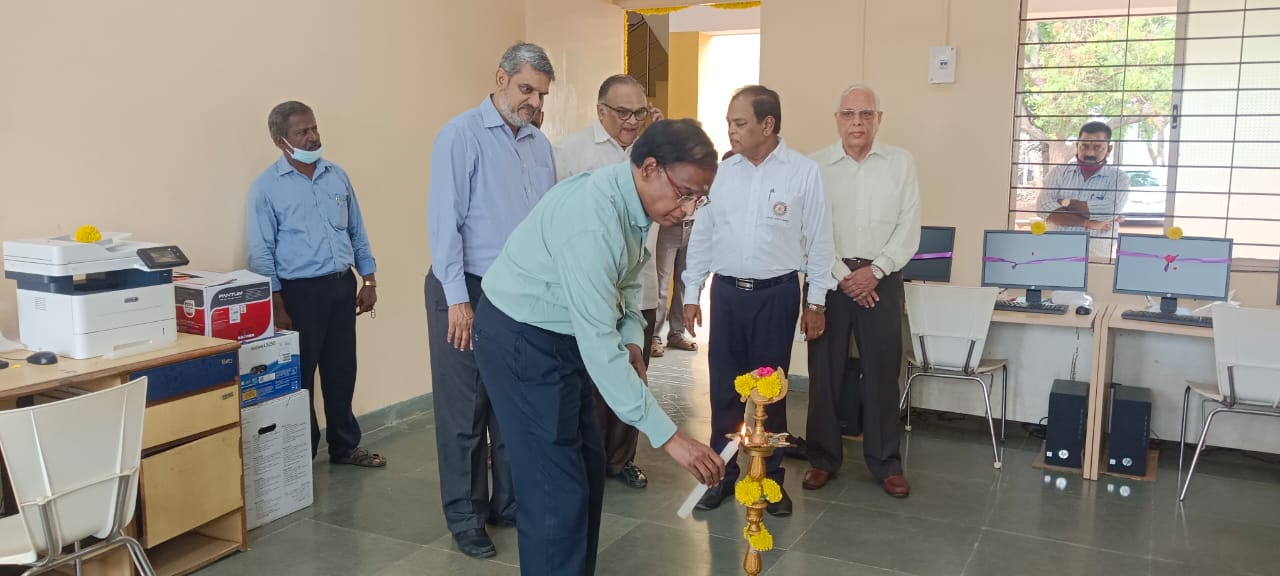
On May 14th of this year, the District Governor of Rotary District 3232, Rtn. J. Sridhar visited the Boys Town campus. Our President, Rtn. Mohan Raman, and several Rotarians also accompanied him. He spoke to the boys and inaugurated a computer room equipped with twelve new computers. This facility will be available for use by students at Boys Town in the new  academic year.

SARTHI: Supporting Education and Training for the Children of Migrant Workers in Bihar, India.

India Bihar children of migrant workers

On the occasion of the ‘World Day Against Child Labour’, we celebrated the day to further raise awareness and sensitivity about the rights of children because the potential for child labour is our greatest concern for the group we have targeted.

We organised the day at our SARTHI Education Centre in Bhawani Tola, Maner, Patna. 

During the session, children spoke up and expressed their desire to advance their personal development through education. They also wanted to live in a community free of child labour and be supported in this by their parents, teachers, the community and various stakeholders.

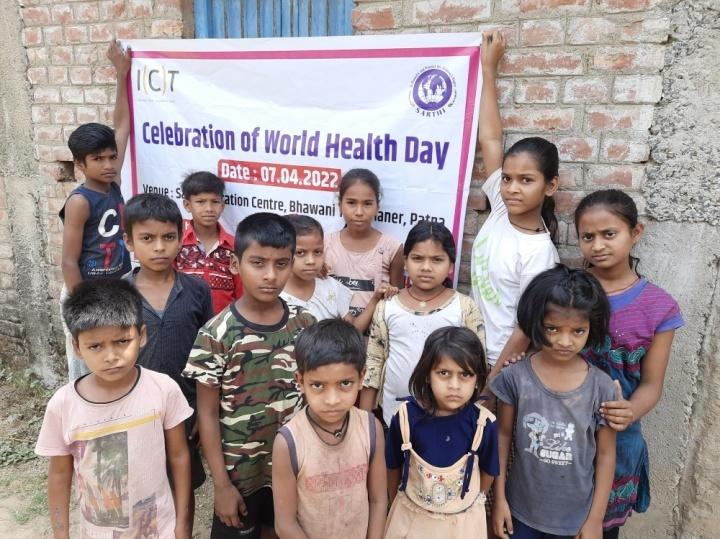
We at SARTHI are conscious of the fact that in rural communities, the majority of children are malnourished and underdeveloped in comparison to others of the same age. For that reason, we also decided to celebrate ‘World Health Day’ with a view to raising awareness about the health of children and the role that parents can play through becoming more aware of the importance of a healthy diet and the appropriate nutrition.

The event was organised at Bhawani Tola and all our targeted children and their parents participated. Ward member, Mr. Sitaram Singh, presented information to encourage everyone to be more acquainted with different types of nutritious, seasonal food rather than using more expensive ‘fast’ food. He also made links between healthy diets and the benefits for children in terms of their physical and mental development.

E:\SARTHI in 2022-23\ICT Programs & Photo\World Health Day_7.4.2022\Selected Photo\20220408_110053.jpg

SERVE: Challenging Times for the SAPLINGS Pre-School Project in Sri Lanka.

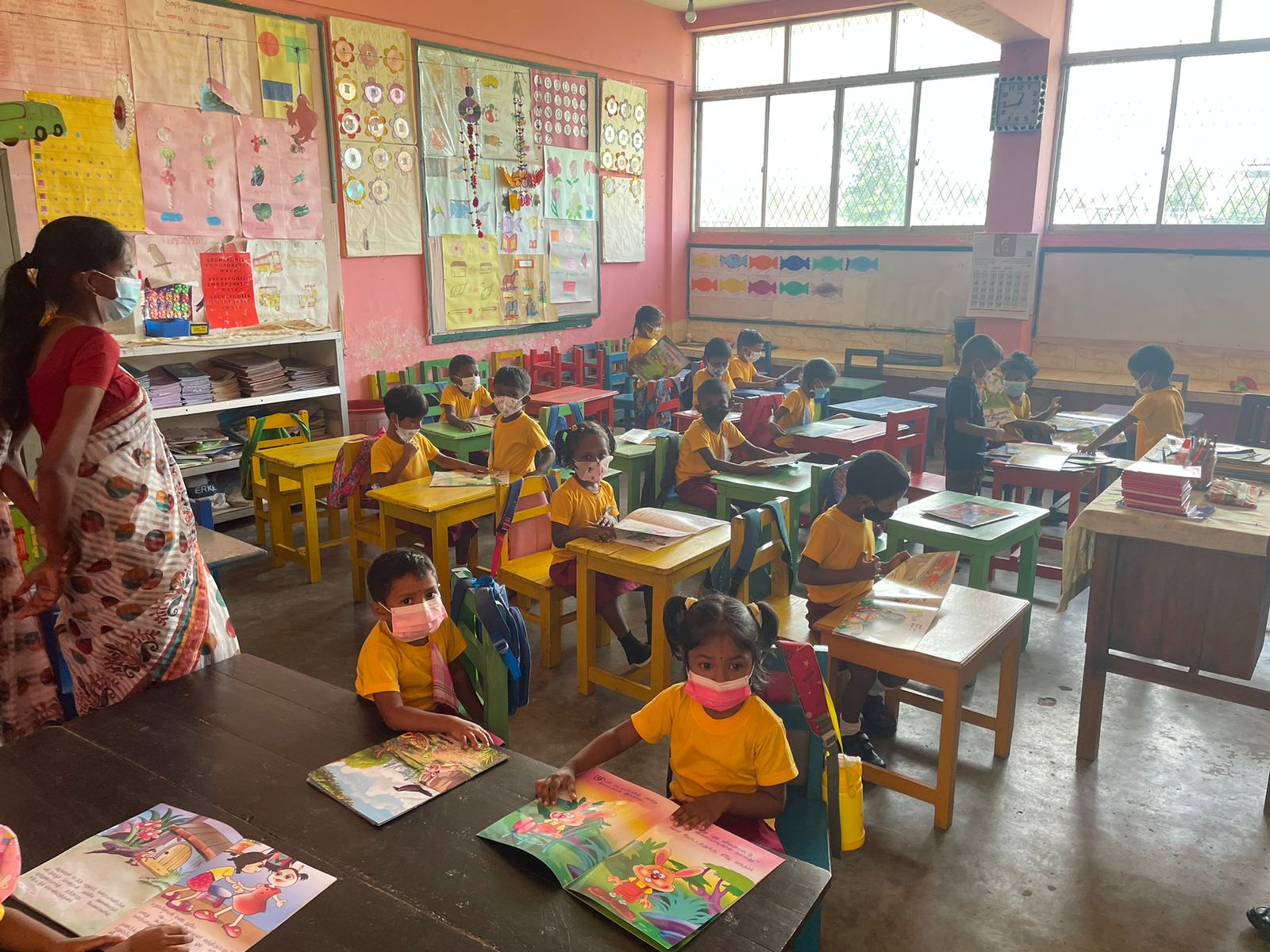
There are currently 26 children (12 girls/14 boys) studying at Saplings Pre-School, Rathmalana. Pupils have been engaged in craft work using cutting and pasting techniques, bottle caps, matchsticks and cotton wool balls etc.

In May, they celebrated the Vesak festival which commemorates the birth, enlightenment, and the death of Gautama Buddha. The children worked in teams to make Vesak lanterns and cards.

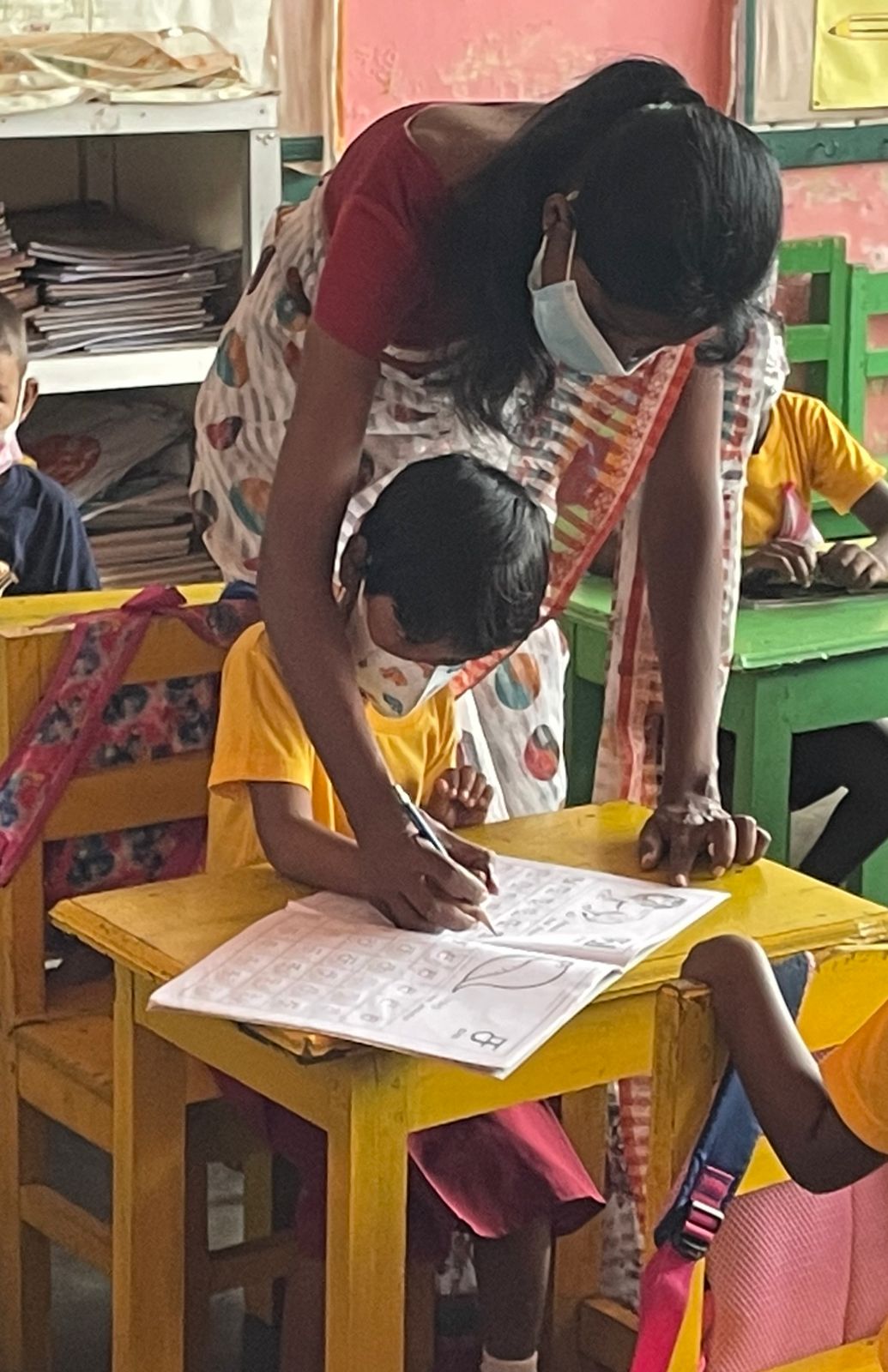
So far in this new academic year, the children have been engaged in learning letters and numbers, drawing and colouring. They are also learning songs and poems in English, Sinhala and Tamil. For many lessons, the pupils use story books to encourage reading and discussion. In addition, they do building block activities to develop their fine motor skills and hand-eye coordination as well as playing games in the grounds of the school.

Staff at Saplings continue to follow all COVID-19 rules and regulations imposed by the Government.

Due to the economic crisis in the country, the parents of these children are facing many challenges and SERVE continues to assist them as and when possible through food relief. This article is based on the period from March 1st– June 7th as the situation is ongoing. In general, the children have managed to attend Saplings on a regular basis, although sometimes their parents are stuck in long queues to buy paraffin, oil, gas etc. and if the children are with them they are unable to get to school. It is also difficult to take buses and three wheelers due to the  shortage of petrol. 

*The situation in Sri Lanka is worsening as the unprecedented economic crisis is deepening. If you wish to help the children supported by SERVE, you can do so by calling or by writing directly to ICT.

Youth Alive: Radio discussions on COVID-19 Protocols + Getting Vaccinated.

As the number of COVID-19 cases began dropping in Ghana in January 2022, the Government,  in consultation with the COVID-19 Management Team and the Ghana Health Service, relaxed restrictions. Unfortunately, in Northern Ghana many people chose to ignore their advice to continue to practise preventative measures and this led to health workers and other health professionals raising serious concerns. There was a call for a more cautious approach and the need to heighten public awareness about the continued existence of the virus and the importance of following the main COVID-19 protocols.

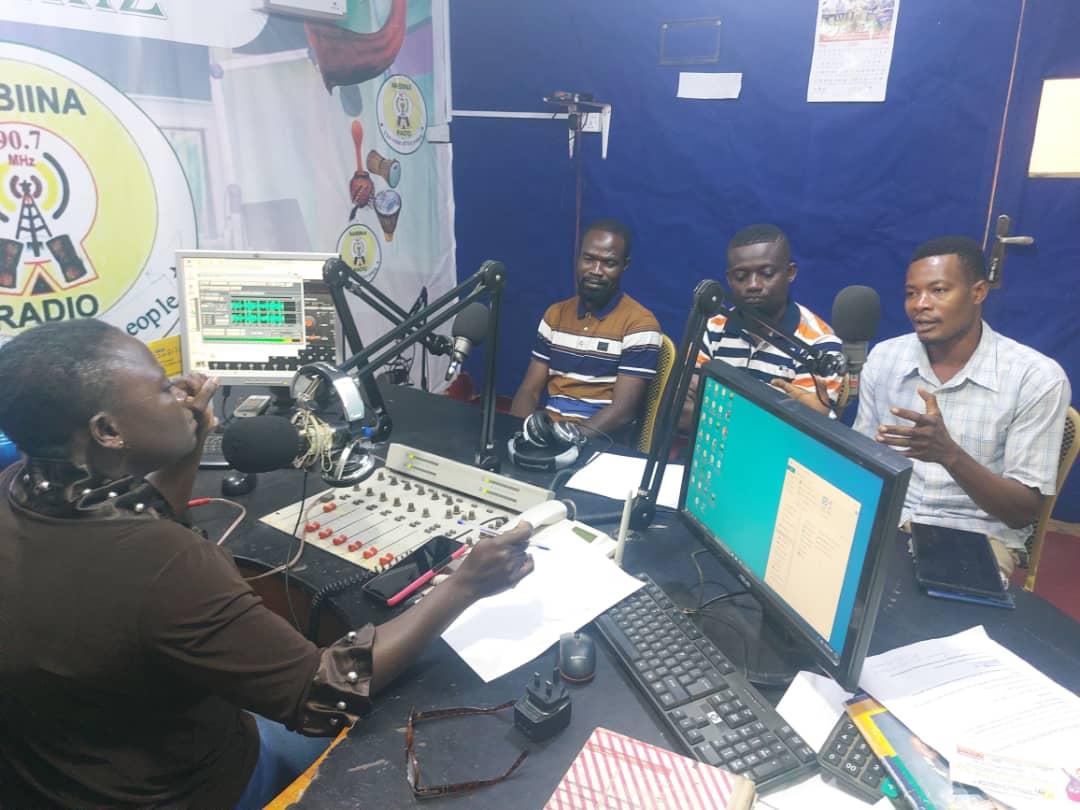
With support from the ICT COVID Relief Fund and the Rotary Club of Coventry, Youth Alive was able to collaborate with the Ghana Health Service and undertake public education to raise awareness in rural communities, through the medium of radio. At three local radio stations, the Ghana Health Service was provided with eight slots of one hour per week for over a month.

The Nabiina Community Radio (FM) broadcasts in the Upper East Region, Lawra FM in the Lawra Municipal area and the Gangaa FM station in the Jirapa Municipal area. Led by the Covid-19 Management team of the Ghana Health Service, these educational programmes were broadcast in the local languages and English. The public had 15 minutes out of the one hour for Q&A for further clarification or to make contributions. In addition, a jingle was written and sung in the local languages. It was played twice a day on the three radio stations to reinforce the message of the programmes. 

Callers appreciated this initiative and the need to remind people of the various precautionary measures that needed to continue to be taken. Both male and female callers used this opportunity to ask the health professionals about the nature of the virus and the possible side effects of the vaccines, particularly for pregnant women. Callers also asked for the location of the vaccination points in their  communities.

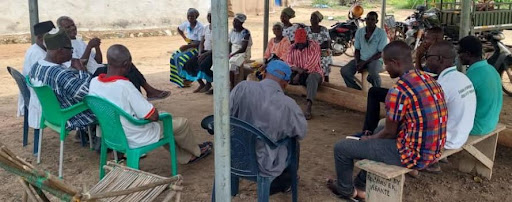
Small community group meetings and house to house visits were also carried out to facilitate and enhance public compliance with the preventative measures. These meetings took place in six communities and a total of 96 people, made up of 52 females and 44 males participated.

Many of those attending the meetings were members of the ‘Community Development Committee’ who had been tasked to spread the message about the radio programmes in their various communities. As a result of this specific project, many people accepted the need to continue to follow the COVID-19 protocols and to get vaccinated.

Chiedza Child Care Centre Harare: Empowerment Through Education.

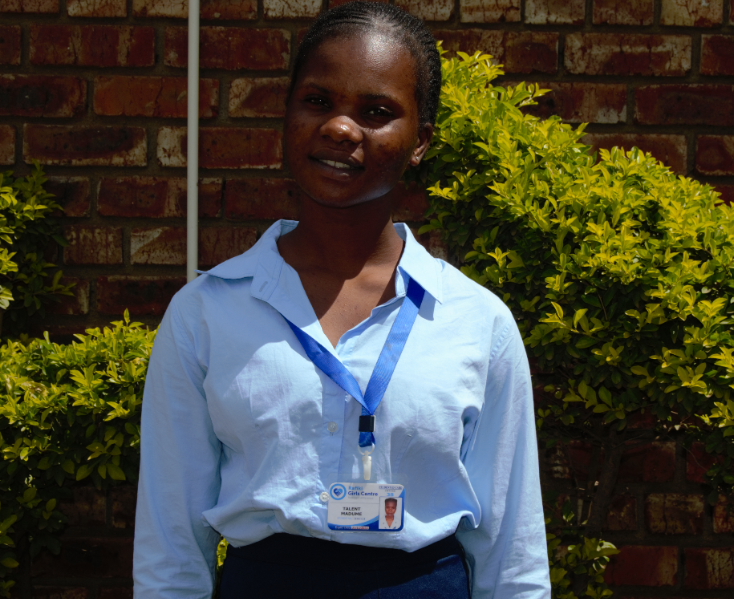
Below is a story about a girl who progressed from our out-of-school programme and is currently training in ‘Early Childhood Development Education’.

Talent is a 20 year old girl whose parents separated when she was still an infant. Growing up, she lived mostly with her maternal grandmother because her mother survived on informal trading and was rarely able to take care of her daughter. Talent dropped out of school after completing her primary education. When she was identified by a community volunteer as being out of school she started accessing education at Chiedza out-of-school programme. She remained supported until she sat her GCSE examinations in 2020 and passed in four subjects. When Talent’s mother became ill and bedridden, Talent was the only person available to care for her so she could not take up the offer of retaking some GCSE subjects in order to proceed to ‘A’ level courses. More recently, Talent opted for vocational training and is currently enrolled at the Rafiki Girls Training Centre and following an early childhood development training course. Talent very much appreciates all the support and mentorship she has received and continues to receive from Chiedza Child Care Centre, as it has helped her to become the person she is today. 

She is quoted below.

“I want to thank all the Chiedza staff for the loving care that they extend to us children. If it was not for Chiedza I don’t know where I would be today. Most of my friends dropped out of school due to early marriage and pregnancies but the counselling we have had has helped to shape my life choices. I am grateful for all the support and I can foresee a brighter future for myself and my grandmother.”

C:\Users\CHIEDZA CHILDCARE C\Desktop\Report 2022\Talent Madume.PNG

Keoogo: Market Gardening, Poultry Farming and Baking Training in Burkina Faso.

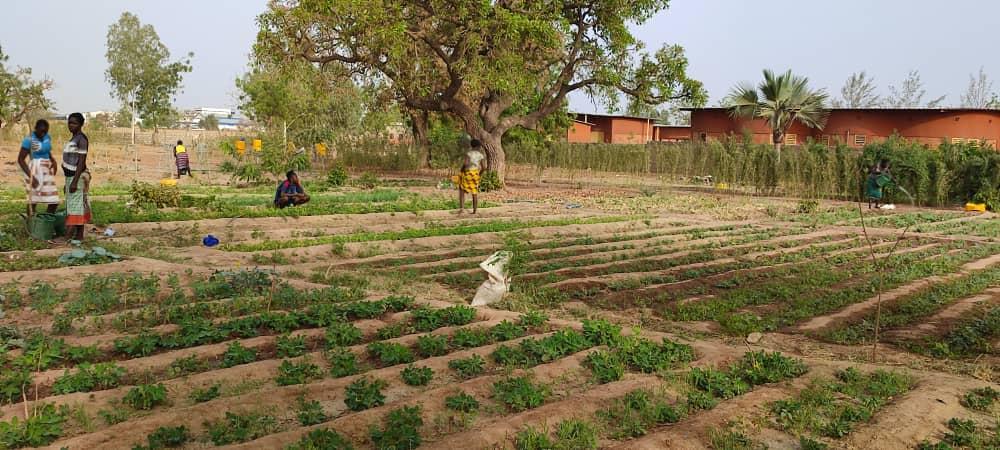
Market Gardening. Maintenance and monitoring activities continue to mobilise the thirty six young mothers who are living in the village of ‘Beoogo Tienbo’ in the North of Ouagadougou. The agro-ecology market garden has really taken shape and the following plants can be seen: sorrel, tomatoes, beans, cabbages, okra, lettuces and melons. These plants were chosen based on the dietary needs of the girls at the Keoogo village. The girls have already begun to eat produce from the vegetable garden.

When each girl returns home with the necessary tools and seeds to set up their own market garden and to sell their produce, they will be replaced in the village by other girls from the surrounding community, who will also receive similar training.

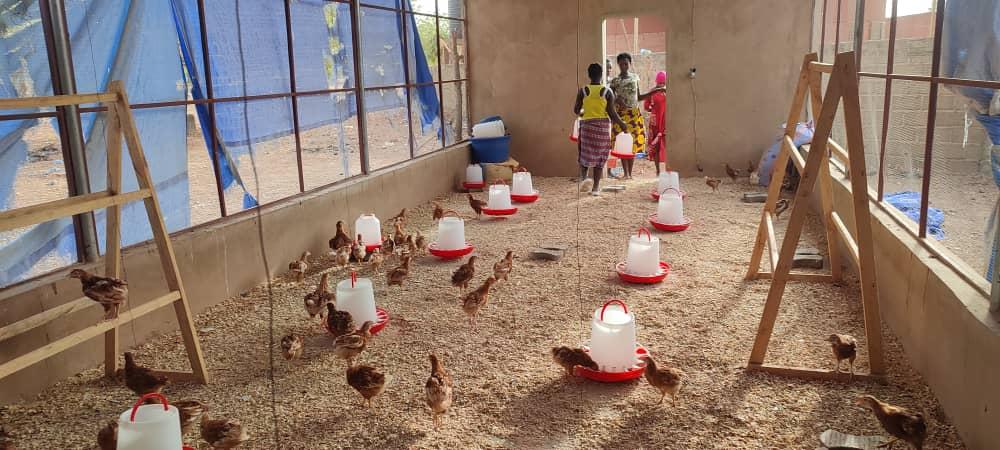
Poultry Farming. All the girls have completed their training. The chicken house has been functioning for a while and the chicks have grown. We will soon have eggs in the village that will be eaten by the girls and their children. The girls are very enthusiastic and totally dedicated to looking after the chickens.

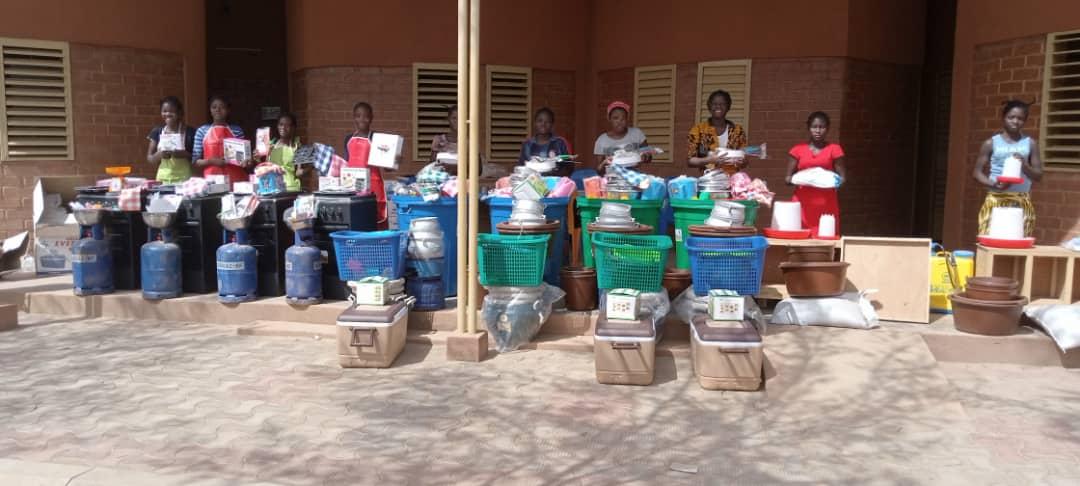
Due to the COVID-19 pandemic, reductions in international aid funding have had an impact on our partner’s financial capacity to continue to provide education and livelihood opportunities to vulnerable girls. Funding was therefore provided by the Rotary Club of Coventry and the ICT COVID Relief Fund and this allowed six girls to set up small bakery businesses. 

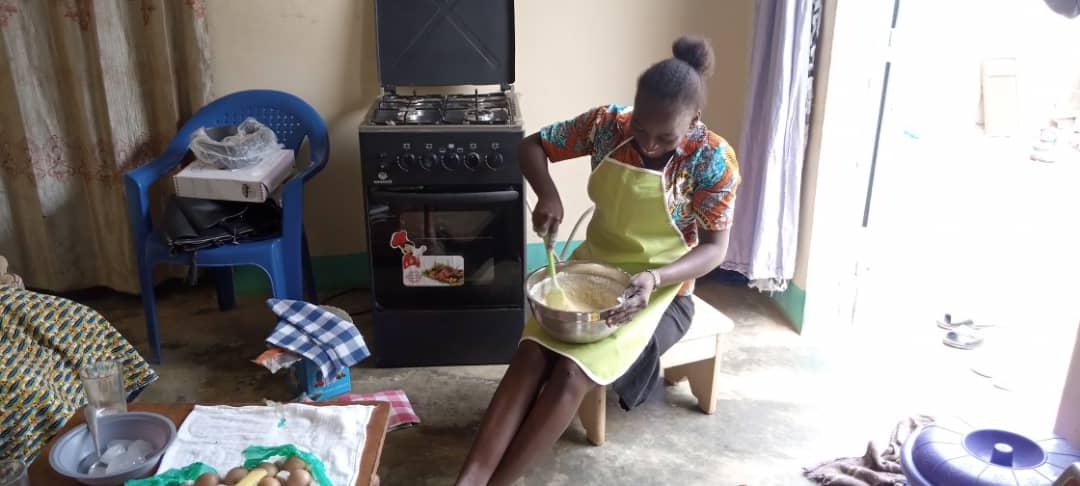
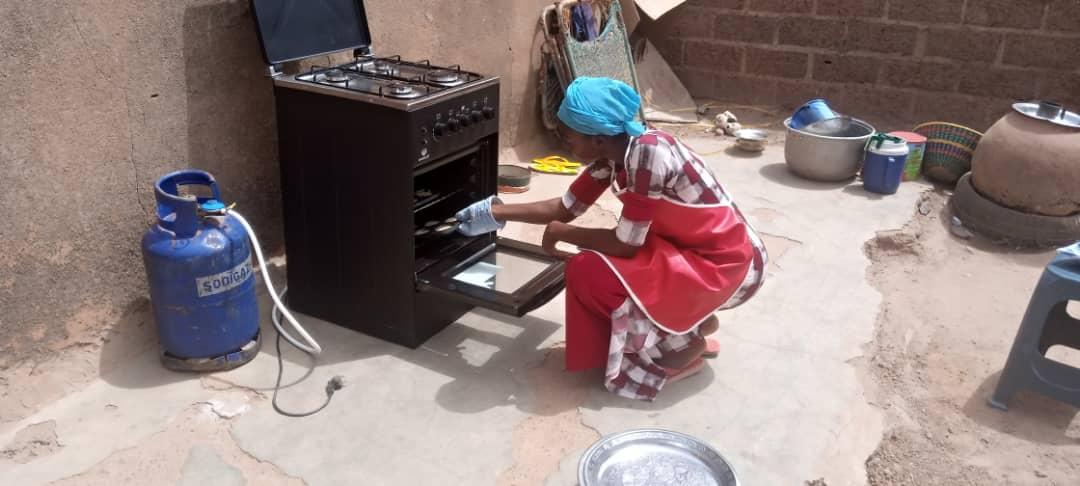
Sets of equipment and baking kits were delivered to the girls which included; an oven, a gas bottle, a whisk, stainless steel bowl, weighing scales, piping bag, pastry bags, a spatula set, utensils set, cake moulds, turntable, loaf tin, oven mitt, apron, towels and raw materials (flour, butter, milk, sugar, eggs, yeast etc.).

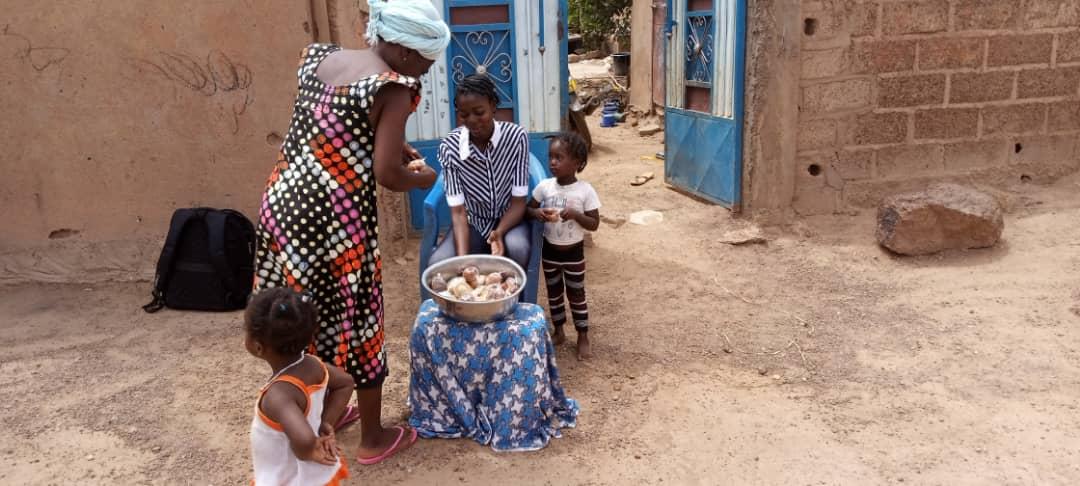
The girls have returned to their families and most of them have started an income-generating activity with the kits that they received and are now baking and selling their products. Two teachers will continue to monitor their progress.