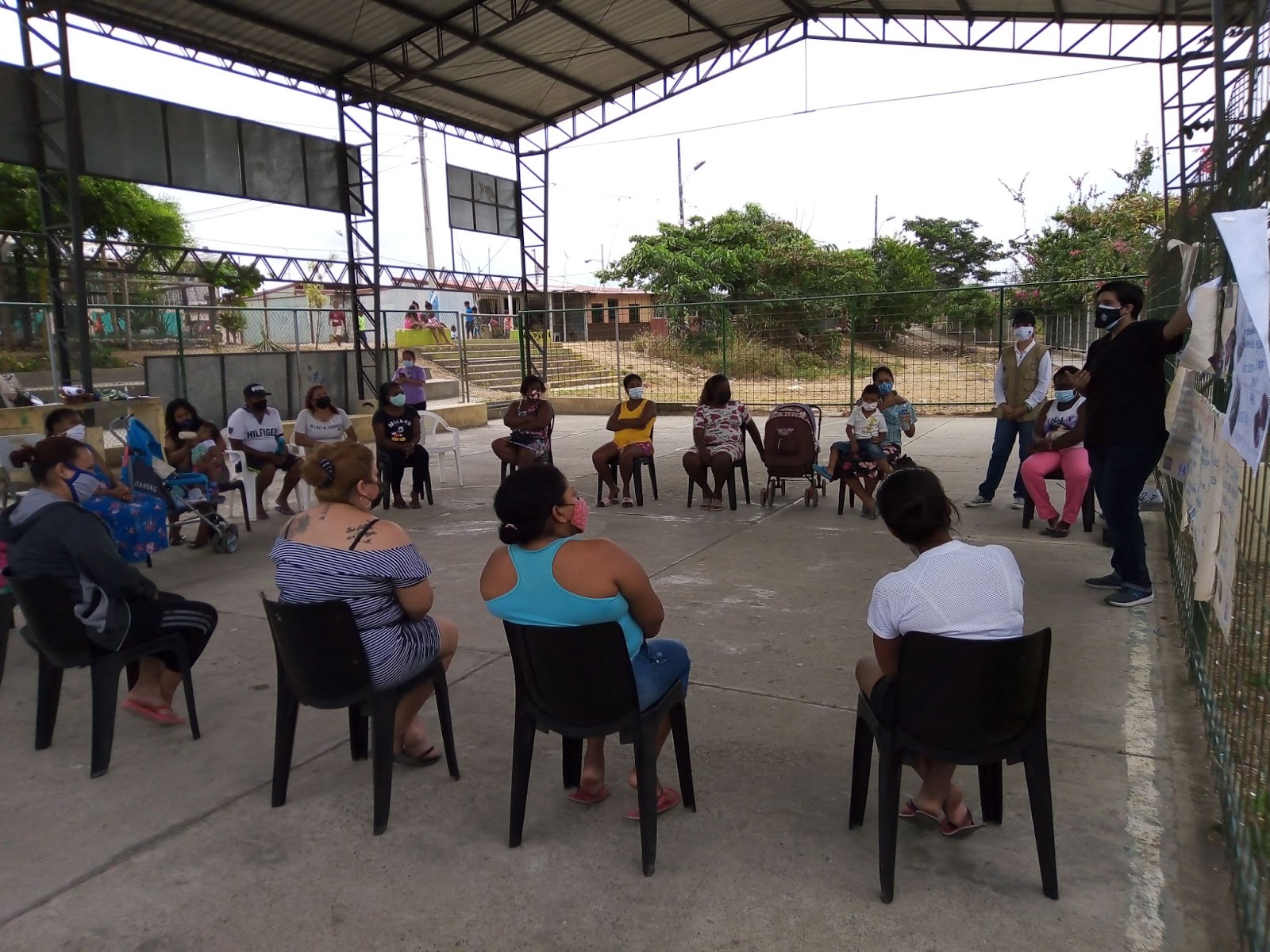
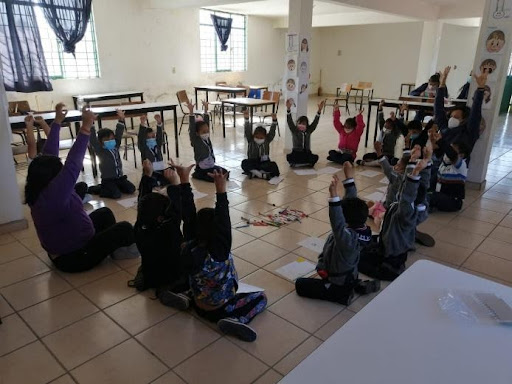
Youth Alive: Bringing COVID Relief to Rural Children/Youth Communities in Northern Ghana.

In 2019, Youth Alive established two adolescent reproductive health centres in the Kassena-Nankana Municipality of the Upper East region. The purpose of these centres was to strengthen adolescent sexual and reproductive health education by offering easy access to staff, equipment and a welcoming environment for young people seeking such services. A third centre was established in Domwine, in the Lawra district of the Upper West region in 2021.

During the COVID-19 pandemic, there were calls from communities and health workers, particularly in Domwine, to turn the adolescent centres into clinics because apart from sexual and reproductive health services it meant that other medical problems could be treated. This became even more necessary as a preventative measure as there was a need to reduce overcrowding at the main health centres/hospitals due to COVID infections. The Domwine community is quite a distance away from the main health centre. 

The problem remained that although the three centres contributed to a reduction in crowds at the main health facilities, they either lacked or did not have adequate Personal Protective Equipment (PPE) to effectively reduce the risk of infection. This was relevant to both health workers and visitors because they became reluctant to go to the centres. 

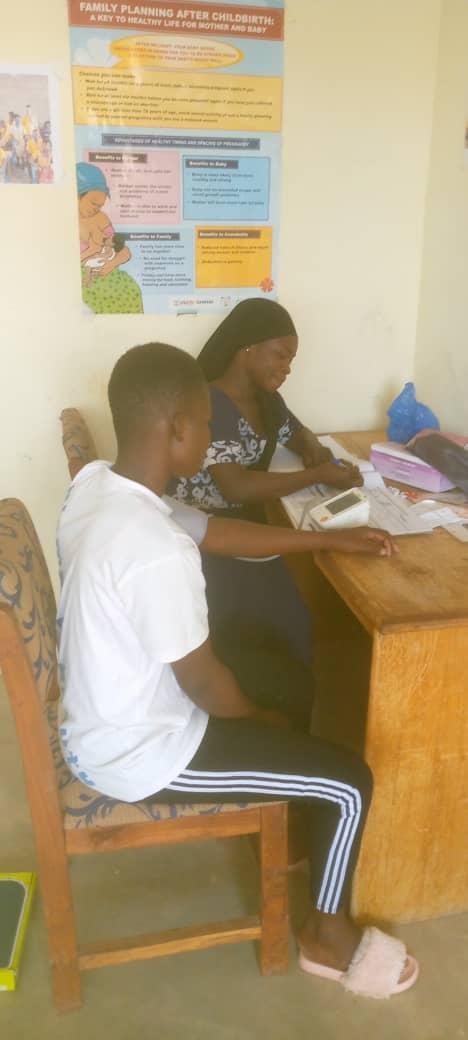
In order to facilitate the protection and safety of young people visiting the reproductive health centres, all three clinics received PPE and other items including; hand sanitisers, liquid soap, face masks, face shields, an infrared thermometer, a blood pressure machine, weighing scales, disposable gloves, rolls of paper hand towels, a Veronica bucket, a Veronica bucket stand, a receptacle for dirty water, a dustbin and dustbin lining.

Thanks to support from the ICT COVID Relief Fund and the Rotary Club of Coventry the provision of PPE and other medical equipment enhanced the service provided by the centres. A community health nurse in one of the centres said, “we have become more efficient since receiving the items. I no longer juggle between the main facility and the adolescent centre for some basic items such as the blood pressure machine and scales.” 
At the same time, there has been a reduction in the spread of COVID-19 and many other diseases due to an improvement in both personal and environmental hygiene. There is now no litter from waste material at the centres because of the availability of dustbins. Previously, waste material used to be dumped on the ground and burnt once in a while. The dustbins are now emptied by a waste management company and taken to approved dumping sites. Frequent hand washing with soap and water is practised at the centres and local school children and communities have been encouraged to do the same at home. 

This practice will be sustained with the aim of inculcating young people and communities to carry out a much improved standard of personal and environmental hygiene beyond COVID-19.
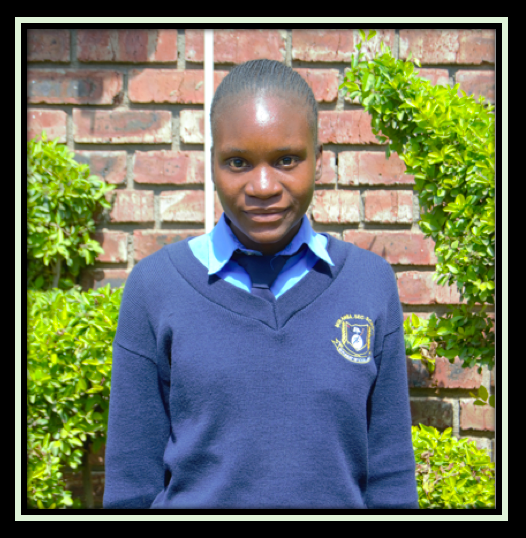
Chiedza: Supporting Seven Vulnerable Children to Continue in School in Zimbabwe.

Chiedza continues to support vulnerable families by helping children to access free basic education at their centre and to strengthen the economic capacity of their main caregivers, through support with income-generating activities. Due in part to the pandemic, the caregivers of seven children who have been integrated into secondary school are struggling to earn their income through their micro-enterprises and their children are in danger of dropping out. It is against this backdrop that the organisation has decided to support these children for one year, while their caregivers are reviving their businesses. This has been made possible with support from the ICT COVID Relief Fund and the Rotary Club of Coventry.

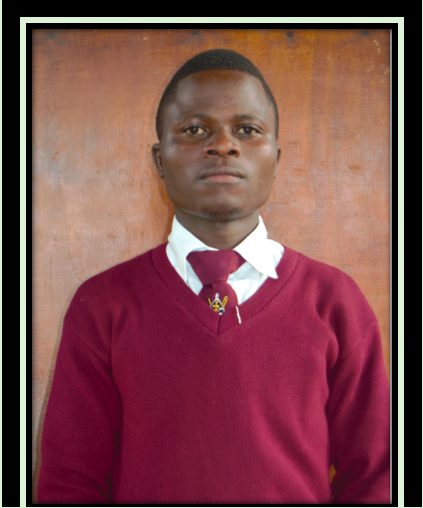
Below are two of the children who are benefitting from this bursary.

Tinotenda is a nineteen year old maternal orphan who is studying for his ‘A’ level examinations. He is currently living with his father and stepmother. There are five children in the family and all are attending primary and secondary schools. Chiedza has decided to give financial support to Tinotenda so that he can complete all his ‘A’ level courses.

Chipo is sixteen years of age and studying for GCSE ‘O’ level examinations in November of this year. Chipo’s mother is the head of the household of a family of nine children. When Chipo and her twin sister completed their exams in 2018, their mother could not collect their results due to unpaid school fees but was subsequently helped with this. Chipo is academically gifted and particularly wanted to complete her exam courses and Chiedza is supporting her to do this. Her twin sister is also continuing her studies and has been given a place in our out-of-school continuing education programme.

Keoogo: Progress by Young Mothers in Market Gardening and Poultry Farming in Burkina Faso.

With funding from the Rotary Club of Bournemouth North and its partner in France, the Rotary Club of Château-Gontier, new training opportunities in agro-ecological market gardening and poultry farming are continuing. After the acquisition of equipment, theoretical and practical training in both market gardening and poultry farming classes began. 

In January, Phase 3 of the training in market gardening taught the girls how to set out the beds, the nursery and associated crops in order to observe the rotation system and the different methods of sowing and transplanting. The girls were also shown how to make compost.

Phase 4 was devoted to weeding, hoeing, staking and composting. To facilitate monitoring, a plot was allocated to every girl to enable the trainer to assess the level of knowledge acquired by each one. This practice also improved the accountability of the girls and better maintenance of the plants.

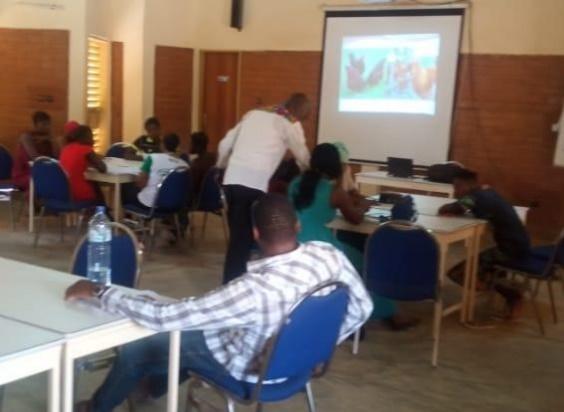
The training in poultry farming was deliberately limited to a maximum of twelve girls per session in order to allow for effective and personalised supervision while at the same time encouraging group cohesion. Given that the composition of the group was made up of literate and non-literate girls, and in order to maximise participation, each module was covered through projected images of texts and accompanied by illustrations. 

The literate girls read the texts and the non-literate girls interpreted the illustrations. Afterwards, a debriefing session was held to check the girls’ understanding of the projected images. These sessions were followed by reframing and further explanations by the trainer.

With the chicken house ready and the practical training well underway, the next step will be to order the chicks and put them in the house. This will enable the girls to understand the importance of hygiene and vaccination in this phase.

SERVE: Saplings Pre-School Project and COVID Relief Work in Sri Lanka.

End of year concerts and ceremonies have taken place at Saplings and thirteen children have progressed to primary school. There are currently 28 children studying at the pre-school. More recently, the library facilities at the school have been enhanced by the purchase of new books and equipment.

The following three SERVE projects have been supported by the ICT COVID Relief Fund and a donation from the Rotary Club of Coventry.

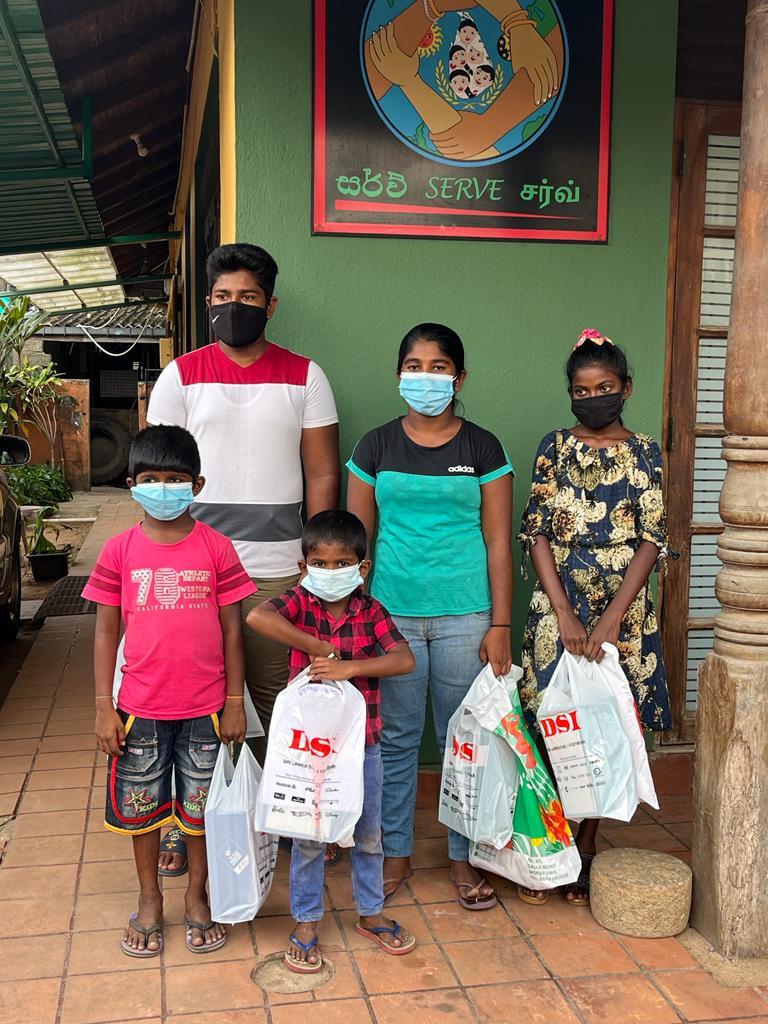
Project 1. Food Assistance: Twenty four food packs were given to children and mothers affected by COVID-19. Each pack contained packs of dry rations including 10kg of rice, milk powder, dahl, sugar, tea, soya meat, coconuts, biscuits and noodles.

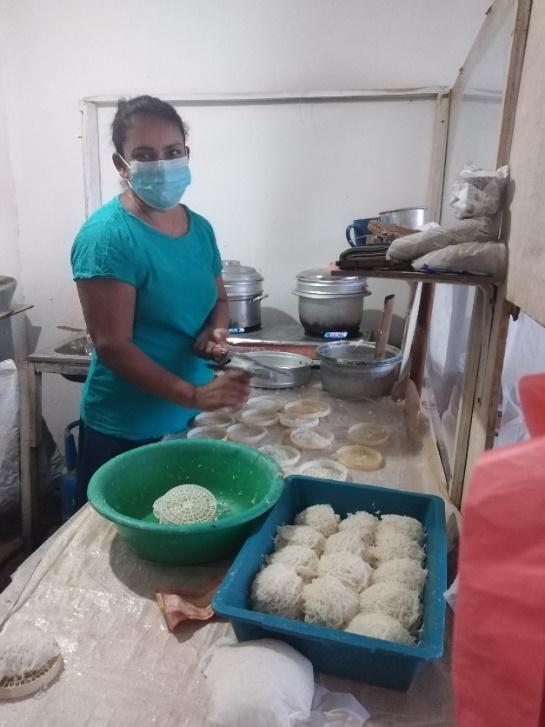
Project 2. Micro-Enterprise Support: Six interest-free loans to mothers of school-age children to be paid back within 10 months through SERVE self-help groups. The loan may be used as running capital or to purchase small items that may strengthen their business and income such as grocery shops (1), food production (2), sewing (2) and carpentry (1).

Project 3. Children’s Educational Support Programme: We have given school supply packs to 20 disadvantaged children – 10 girls and 10 boys from Moratuwa. The packs consisted of school shoes, school uniforms/underclothes, books, pens, colour pencils, pencils, erasers and rulers. 

Rotary Club of Madras Boys Town Society: Supporting Students in their Return to School in Gummidipoondi.

India Madras Boy School

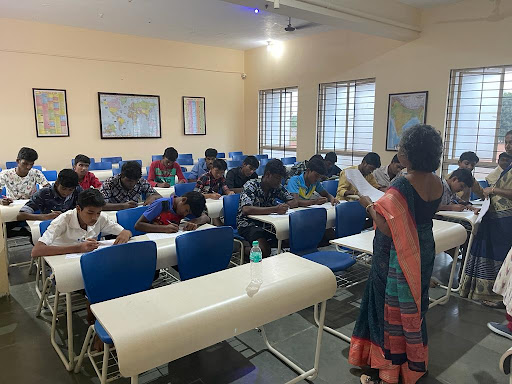
All the boys in the VIth to XIIth Standards returned to Boys Town in the last week of January. There have been no new admissions due to the pandemic and so the enrolment number at Boys Town for the current academic year remains at 51. We expect the number to go up substantially in the academic year 2022-23. Final board examinations for XIIth Std. students are scheduled for May 2022. The state government permitted schools to restart physical education classes from 1st February 2022 and all the regular activities at Boys Town resumed e.g. sport, yoga, bi-weekly music lessons and evening tuition sessions. All the essential COVID related safety protocols continue to be followed when students return from school and by anyone visiting Boys Town. 

Two technologically enhanced classrooms are now ready for additional classes, especially for the boys from the IXth to XIIth Standards.

Twelve boys have joined the ‘Interact Club’ under the aegis of the Rotary Club of Madras and Rotary International. This club aims to inspire and energise young people between the ages of 12 – 18 years through service and encouragement to become responsible global citizens.

In December 2021, a special two day camp for both mental and physical health check-ups  was organised for all the students and carried out by health professionals. In January, the harvest festival of ‘Pongal’ was celebrated by the boys with great enthusiasm.

This year, an external agency will be conducting a social impact assessment study of the  Boys Town Society.

SARTHI: Supporting Education and Training for Girls in Bihar, India.

india bihar supporting education and training for girls

With the support of their families, all twenty children on the project are currently attending school regularly as well as visiting our education centre for two hours a week extra tuition to enhance their learning and increase their commitment to education. On International Women’s Day, the children and their families attended an event around  the rights of the child, with a special focus on girls. Our guest speakers were Prof. Dinesh Kumar Singh and Ms. Meena Kumari, a worker at a government funded rural childcare centre. In the speeches there were many references to eminent women who are or who have been beacons for development and change in male-dominated societies. 

At the same time, we celebrated the inauguration of the SARTHI Training Centre which has been provided by the community. With support from the International Children’s Trust and the  Rotary Club of Coventry, SARTHI has been able to purchase two sewing machines for use in the training centre. Women and adolescent girls in the community have been asking for these for a long time and are delighted. An additional benefit is that the adolescent girls we have targeted are also on our education programme so they will receive training as well as their regular education.

JUCONI Ecuador: Increased Use of Safe Play Spaces by the Community in Guayaquil.

During January 2022, the new strain of COVID-19, Omicron, meant that most of the population in Guayaquil became infected, including some of the team at JUCONI Ecuador. As a result, we were forced to do our work online but managed to carry out the usual psychosocial interventions for the families that we work with.

In February, once the infection curve had decreased, the team were able to return to their normal activities with the children and their families. When the community workshops reopened, it was a real pleasure to welcome back a large number of children and caregivers to the community spaces.

During these sessions, we used specific workshops to continue to discuss the prevention of violence in families, the community and schools. This year, it has been gratifying to receive many more caregivers to our community workshops in addition to those who we are already working with. 

The new participants have responded well to the sessions and have become more optimistic about the fact that they can offer their own children a present and future free of violence. This year, thirty one ICT sponsored children graduated from the programme and new children and their families have been enrolled.

JUCONI Mexico: Exploring New Opportunities to Reduce the Potential for Violence in Schools in Puebla.

In 2021 we ran a series of workshops for teachers of children in three primary schools titled ‘Developing Safer Classroom Environments’ as there was concern that the children’s behaviour would be different due to school closures and  the impact of the COVID-19 pandemic. As a result of the success of these workshops, JUCONI is exploring the possibility of rolling out more workshops for staff in a number of nursery and primary schools in 2022.

SERVE: Progress of Saplings Preschool Pupils in Sri Lanka

A total of 28 pupils are currently enrolled at Saplings preschool. Twelve pupils progressed to primary school from the last academic year and fourteen new pupils started at Saplings in July.

Preschools were closed up to the 26th of October due to COVID-19, so the Saplings teacher continued to visit pupils at home. The children were provided with workbooks, artbooks and appropriate educational items such as pencils and colour pencils. The teacher guided them individually during her home visits and all pupils were given protective face shields and masks in line with government health guidelines to ensure their safety. 

The pupils completed the activities with great enthusiasm and their parents reported that their children were delighted when the preschool teacher visited. 

The teacher also continued to monitor the progress of the pupils through phone calls. In addition, with the help of their parents, she later managed to organise the use of WhatsApp to enable families to send photographs of activities that had been completed by the children.

We were very happy when Saplings was finally allowed to reopen at the end of October 2021. Since then, educational activities have been carried out according to government health protocols such as keeping a safe distance and wearing face masks.

JUCONI Mexico: Teachers are Better Prepared to Deal with Challenging Behaviour

Staff at JUCONI Mexico are currently in the second stage of working with teachers from three schools to strengthen the knowledge and skills they acquired and developed while participating in our series of JUCONI training workshops in May. Everyone is keen to reduce the potential for violence in schools now that they have reopened and we are monitoring the ways in which teachers have been able to use what they have learned. Within their own work spaces, teachers have been sharing ideas and reported that they have become more aware of their own emotions and those of their students. Many of the children have been particularly affected by the consequences of the Covid-19 pandemic, such as the loss of a caregiver, increased domestic violence and a reduction in economic stability.

Teachers have begun to use a variety of teaching and learning strategies and often change the layout of their classrooms to help to encourage a positive learning environment. Many teachers continue to use the relaxation exercises that they learned during the workshops and these have helped them to develop effective coping strategies when responding to difficult situations with the children. 

Furthermore, school managers and teachers have become more aware of the physical, emotional and social consequences of the pandemic on the children and have acknowledged the role of the school environment and staff in supporting them. This has resulted in more time being allocated for meetings to discuss and address complex emotional situations with the aim of developing strategies and establishing support-networks to manage them better. 

Focus group meetings that aim to strengthen collaboration between the school and the community have also been integrated into the academic year. At the same time, school managers and teachers have shown an increased interest and sensitivity in seeking external support networks to refer children who have developed mental health issues as a result of the pandemic.