SERVE: Disruption of education in Sri Lanka

‘Saplings’ pre-school was closed from mid-March to mid-August to keep in line with new rules and regulations set out by the Government of Sri Lanka due to the first wave of the Covid-19 pandemic. During this period, pupils were given workbooks and notebooks by their teachers so that under the guidance of their parents, they could get involved in some activities at home.  In addition, their teachers kept in touch with parents in order to monitor the children’s development and safety.

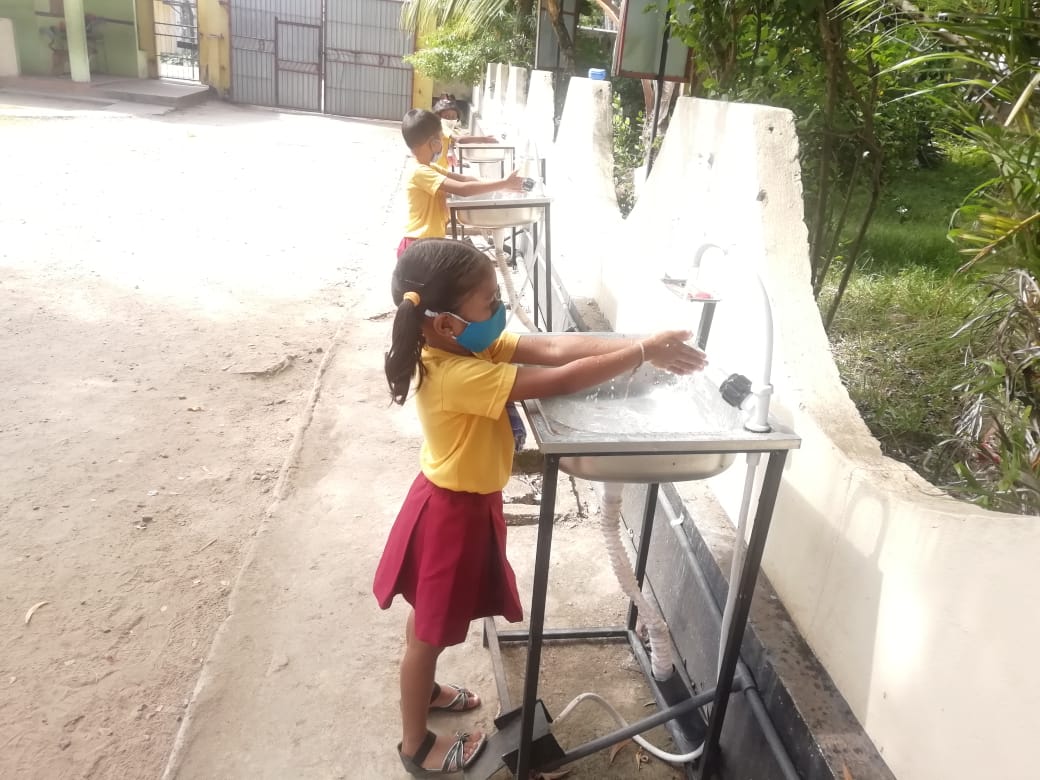
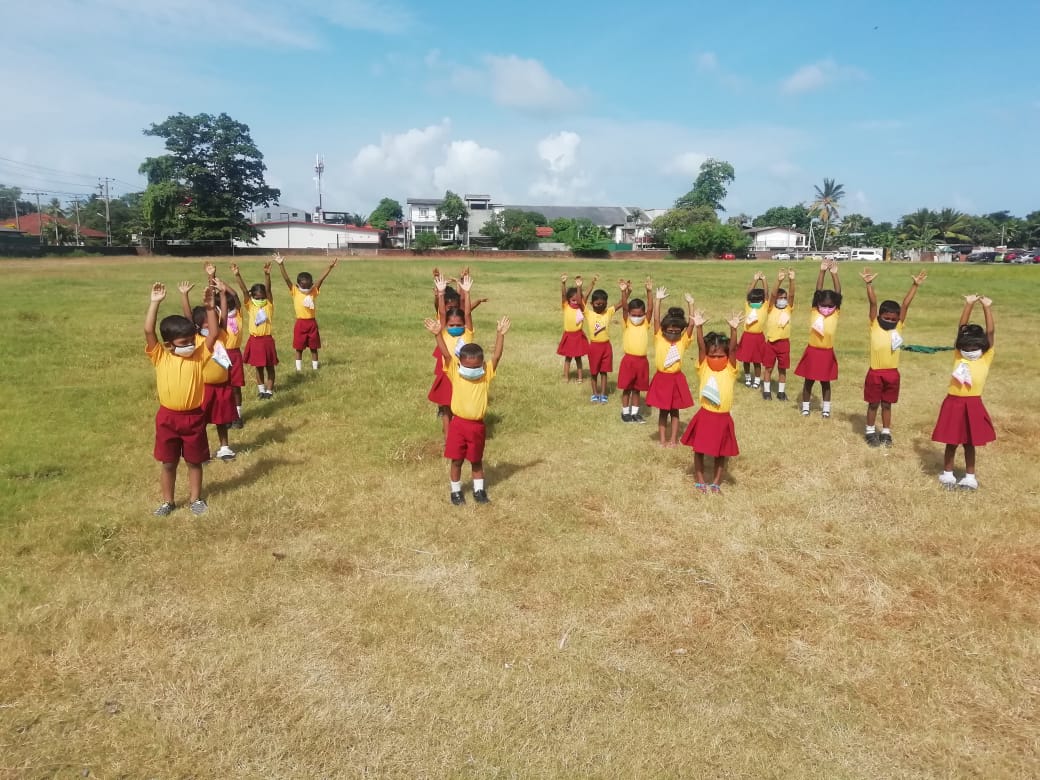
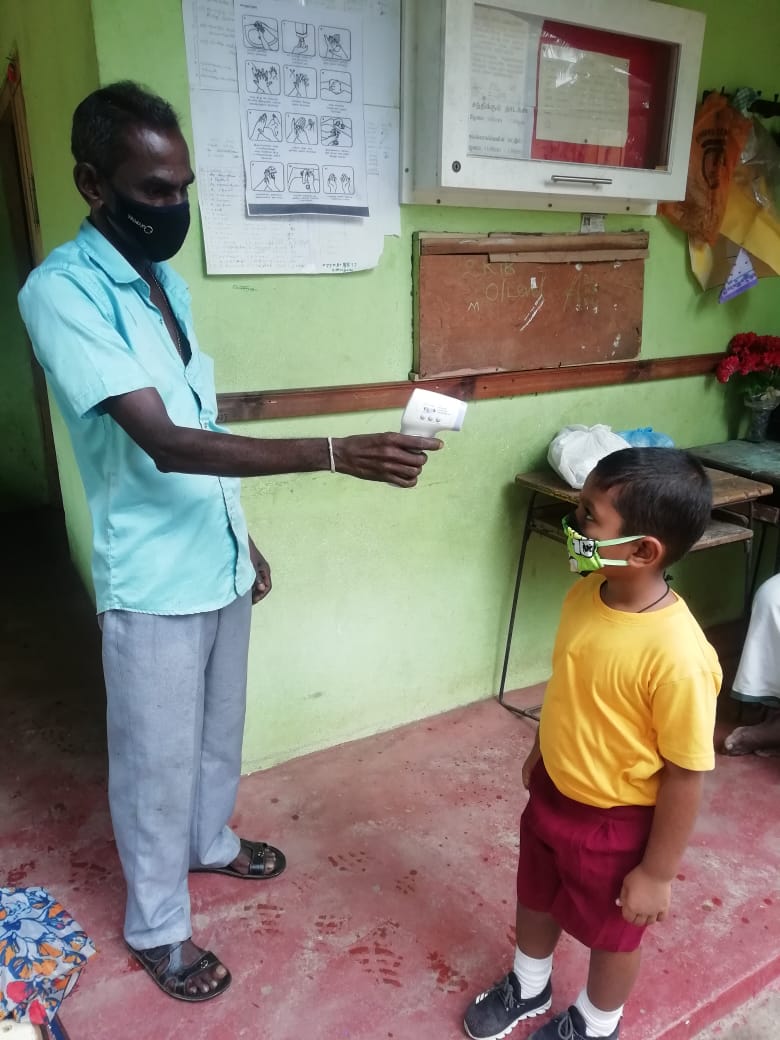
In mid-August, ‘Saplings’ was able to reopen as permitted by Government regulations. This meant that the body temperature of each pupil was checked before he or she could enter the school and rules around regular hand washing, wearing a mask and social distancing were adhered to. During this time pupils engaged in writing, drawing, painting, singing, dancing and playing indoor/outdoor games. The children truly enjoyed meeting their friends again and playing together. The school continued to function in this way until 2nd October, when once more, the Government decided to close all pre-schools and schools to reduce the effects of the second wave of Covid-19.
The school remains closed but a teacher makes visits to the home of each pupil and via one-to-one tuition guides them towards activities that they can complete at home. Story books, paper, colour pencils, clay and other school materials are also supplied. In addition, parents are briefed on the rights of children and the need to remain tolerant and kind during the lockdown period. 

Due to the situation in the country, the annual school concert may not happen this year, but a small graduation ceremony is expected to be held in 2021 for the pupils leaving ‘Saplings’ to start primary school. At the time of writing, the Government is yet to grant permission to reopen pre-schools in this area as they are situated in the high risk Colombo District of the Western Province of Sri Lanka.


Chiedza Child Care Centre: National plans for reopening schools in Zimbabwe

Like many other educational organisations, Chiedza Out-of-School programme has been disrupted by the Covid-19 pandemic and children have been unable to attend school for seven months. This has been particularly hard for the children as most primary learners, for example, live with caregivers who do not have phones so contact with them was impossible.

When some lockdown restrictions were lifted in July, the Ministry of Primary and Secondary Education gave permission for examination classes to run from the 28th July. Chiedza therefore reopened its doors to examination level students for two days per week to allow face-to-face interaction between students and teachers. Secondary learners were given a series of home-study packs to work on, which were later marked and returned to them for revision purposes. 

This timetable helped the children to stay in touch with their teachers and to focus on their studies. Twelve students will be sitting their ‘O’ level exams from the 1st of December and four students for their ‘A’ level exams from the 3rd of December.

During September, Chiedza developed its own standard operating procedure in order to remain compliant with the new regulations set out by the Ministry of Primary and Secondary Education. Training also took place for staff, learners and parents; and this was run by Medecins Sans Frontières and Harare City Health Department. In addition, the team acquired Personal Protective Equipment for use by everyone on the school premises. As a result of the Ministry’s school reopening plan, Chiedza has been able to readmit children in different phases for the last three months. The first group of learners allowed to return were the fourteen secondary level students sitting national exams in December. Level 3 students, Grades 6 and 7, returned on the 26th of October and the remainder returned on the 9th of November. The school day for primary aged children has been adjusted to ending at 1pm rather than 4pm in order to minimise contact during playtime and informal socialising at the school gates.

Keoogo: Adapting to new measures at the Keoogo village during the Covid-19 pandemic

In March, as part of the special measures introduced to reduce the spread of Covid-19, the Government of Burkina Faso issued a temporary law that restricted public freedom. These restrictions hindered the continuity of several of Keoogo’s activities and in order to overcome these barriers the team drew up a plan to adapt to the new regulations. Prevention measures have been implemented for the children and young mothers living in the village that include the use of hand wash, gel and soap and the wearing of masks for all visitors. Other measures have resulted in the reorganisation of work via staff rotas, a new teleworking system, modification of working hours and the provision of additional water points.

Before the reopening of the ‘Beoogo Tienbo’ nursery school in October, the school was equipped with protective equipment. Furthermore, all parents were briefed on the health measures to follow to ensure the safety of their children if a child or family member falls ill,  as well as maintaining social distancing when dropping off and picking up children from the school.

Rotary Club of Madras Boys Town Gummidipoondi: Coordinated efforts to ensure continuity of learning during school closures in India

Since schools were closed due to the Covid-19 pandemic in March, all boys have been staying at their respective homes. The team has been able to remain in contact with them by phone on a fortnightly basis and everyone remains in good health. During this time, books from the school have also been couriered to students to allow them to continue studying. As and when the Government of Tamil Nadu gives permission for schools to reopen, students will be readmitted to Boys Town.

It is expected that in the first instance, schools might reopen for the XIth and XIIth Standards which will involve twenty six students for the academic year 2020-21 at Boys Town. The remaining students will have a phased return as per Government rules.

Students from the IXth and Xth Standards are also under tremendous pressure to cover the academic syllabus and they will be the next group to return as they too need a significant amount of guidance and support. In the meantime, students in all four groups are expected to receive a tablet with sim card and wifi to enable them to attend online classes and tutorials from their respective homes. This initiative was launched by our partner and will target 40 students.

JUCONI Mexico: Delivery of safe and quality health services for vulnerable children in Puebla

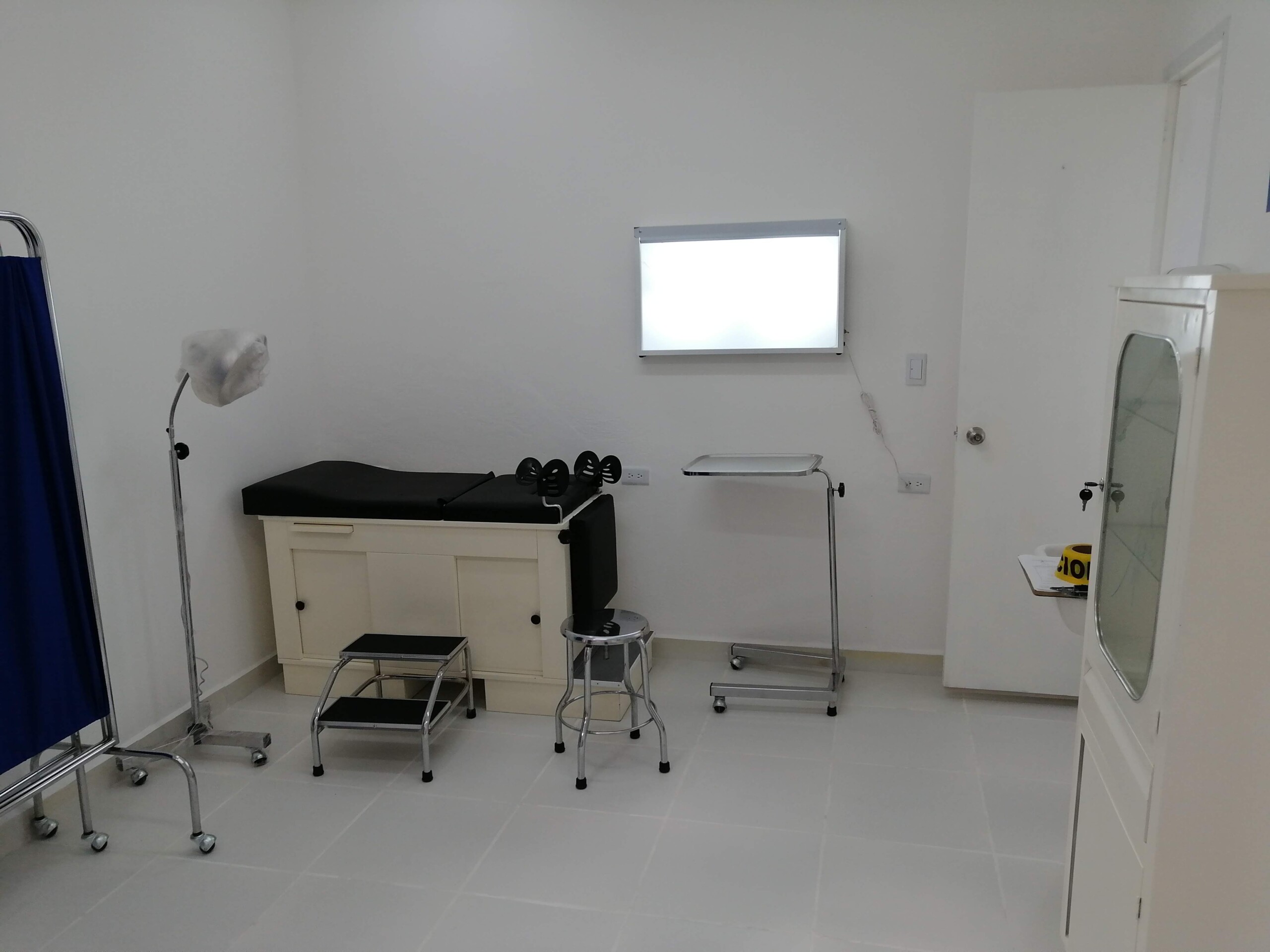
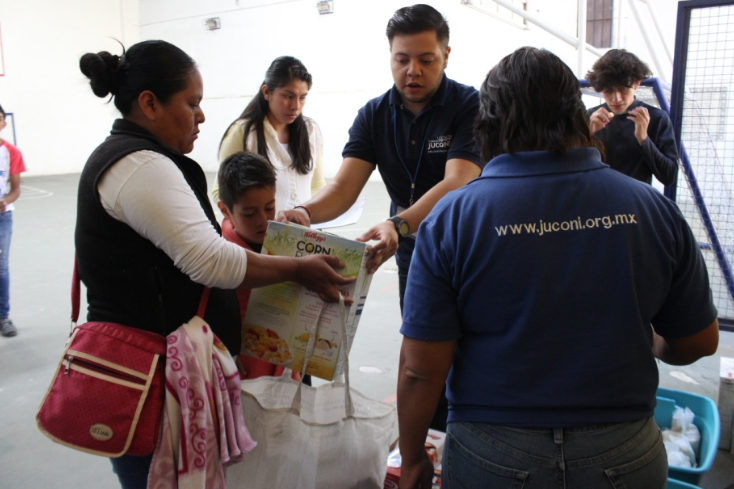
The current situation in Mexico is complicated by the number of infections and deaths from COVID-19; and in Puebla the situation is no different. Due to the lockdown in March, contingency plans in relation to the delivery of health services were activated, and the JUCONI team continued to offer one to one medical appointments to the children and young people on the programme, in the newly refurbished health clinic. Information about how to stay healthy was promoted and medical problems were followed up on a monthly basis with the children and young residents; plus more than fifty extra appointments were offered to residents and families. Personal Protective Equipment was also provided to children, young people and health workers. However, since May, due to an increase in infections in Puebla, all medical follow-ups with families on the programme have had to be carried out remotely, either by phone or video calls.  

During this period, we have also run health campaigns and given talks for all those served by the programme. The topics covered have included Covid-19 and Personal Hygiene.

JUCONI Ecuador: Together with children in the time of Covid-19 in Guayaquil

The Government of Ecuador introduced lockdown measures in March due to the Covid-19 pandemic. Staff at JUCONI took a number of steps to adapt its model of psycho-social care in order to support children during a period when they could be dealing with a fear of death and the loss of family members. A protocol was developed that allowed communication to continue via phone calls, WhatsApp and Zoom. This enabled the team to remain in contact with  the children and families on the programme and to continue to carry out a variety of  care activities.

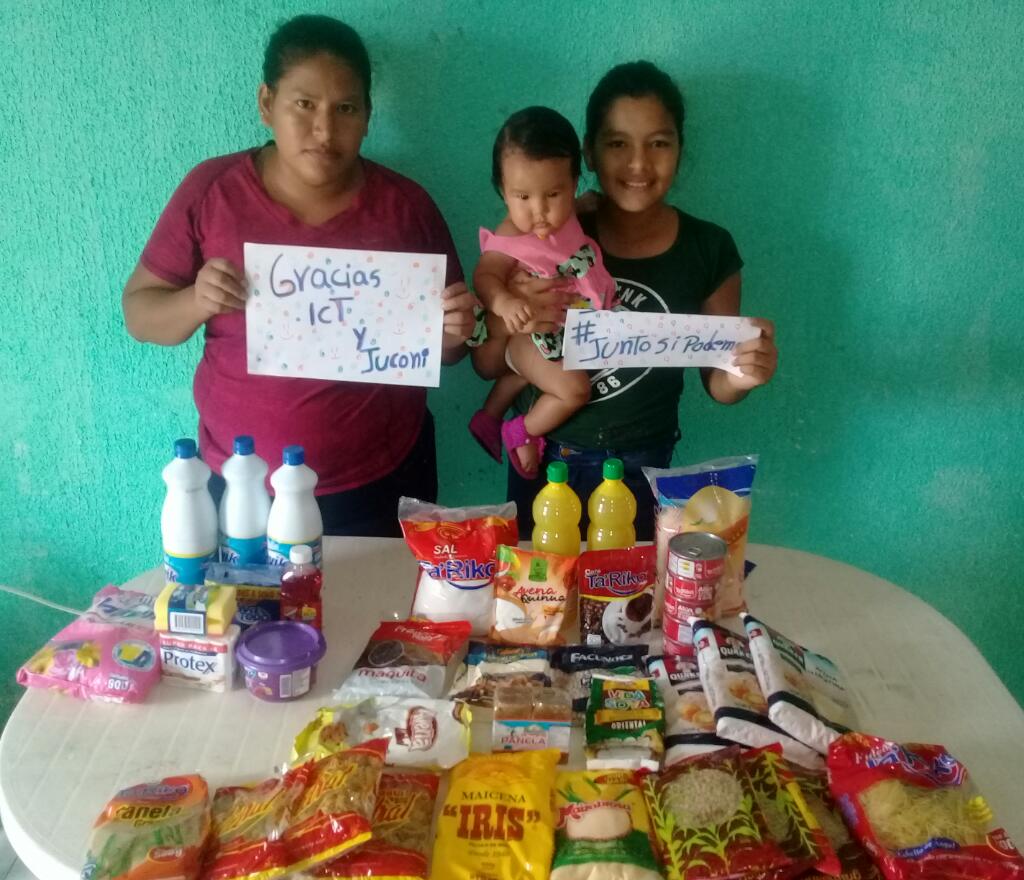
The suspension of income-generating activities as a protection against Covid-19, impacted strongly on these families, as many heads of households are mothers and senior citizens who are employed in informal work. We continued to provide humanitarian assistance and food baskets to them which made an important contribution in ensuring that the children living in these households were fed.
After the confinement measures were suspended, face-to-face activities in our sectors in northwestern Guayaquil resumed on July 16th. These included  home visits for psycho-social and therapeutic intervention sessions, as well as the use of safe spaces for discussions about the prevention of domestic violence and drug abuse.

Child Sponsorship in India and Covid-19

News: The Rotary Club of Madras Boys Town Project in Gummidipoondi.

All schools in Tamil Nadu have been closed since mid-March due to the Covid-19 pandemic. They are likely to re-open in October or November depending on government guidelines.

All students at Boys Town in Gummidipoondi are safe and well and are currently staying with relatives in their respective homes. Colleagues from Boys Town and the Rotary Club of Madras are in contact with these families on a fortnightly basis in order to enquire about their health and safety and to support them when specific needs arise.

The government of Tamil Nadu has allowed all boys from the VIth to the Xth Standards to progress up a year based on internal assessments and mid-term exam results. All students in the XIth and XIIth Standards passed their exams successfully.

School Return in Sri Lanka

Sri Lanka is making good progress in controlling the spread of Covid-19 and we are extremely pleased to let you know that in line with government guidelines and the agreement of the head teacher, there has been a phased return to the Saplings pre-school in Ratmalana, with twenty out of thirty two children currently attending.

The children wear masks to and from school and bring their own food. At the school gate each child has their temperature taken and they wash their hands before entering the classroom and at lunch time. This procedure is always supervised by two teachers and a helper. The children remain three feet away from each other and do not share any items at the moment. Desks are arranged in rows rather than in groups. Classrooms are cleaned twice a day.

During lessons, the children wear masks as much as possible and they participate in a variety of activities including drawing, colouring, practising handwriting and letter  shapes in Tamil and English, practising the shapes of numbers and singing songs. In the school grounds the children are also encouraged to do different exercises and play games. 

Access to food and essential supplies during the Covid-19 pandemic.

Ecuador

The city of Guayaquil in Ecuador is one of the worst hit areas in the southern part of the Americas. Official figures suggest that thousands have died mainly due to an overwhelmed and ill-equipped health care system, in addition to the challenges that poor and crowded communities face in respect to social distancing.

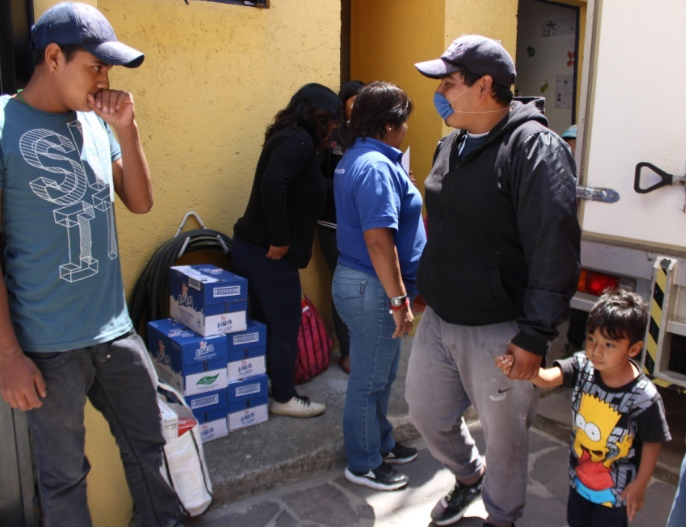
To help with the Covid-19 response, staff at JUCONI Ecuador continue to deliver our programme via telephone calls to the children and families who we are supporting. We have also been able to transport food, hygiene kits and medicines to these families as their income largely depends on an informal economy. 

To date, only one case of Covid-19 has been reported among the seventy two families who we help. This is a very good outcome considering the level of poverty and the challenging socio-economic environments in which these families live. This result was achieved because we were able to run a comprehensive hygiene promotion programme at the beginning of March.

Mexico

The current health crisis has also put the poor communities that we serve in Puebla, under economic pressure. For this reason, and as part of the care provided by JUCONI, we have distributed food to help families cope with the situation.

Basic needs support for street children in the prevention of Covid-19.

Burkina Faso 

The number of people with Covid-19 in Burkina Faso has evolved since the first cases were registered on the 9th of March. On the 6th of June, the last assessment highlighted that eight hundred and ninety people had tested positive, seven hundred and seventy five people had recovered and fifty three had passed away. Despite these figures, the Government has eased the preventive measures taken against the spread of the virus by allowing the re-opening of markets, places of worship, bars and restaurants, the lifting of the quarantine and the authorisation of the use of public transport.

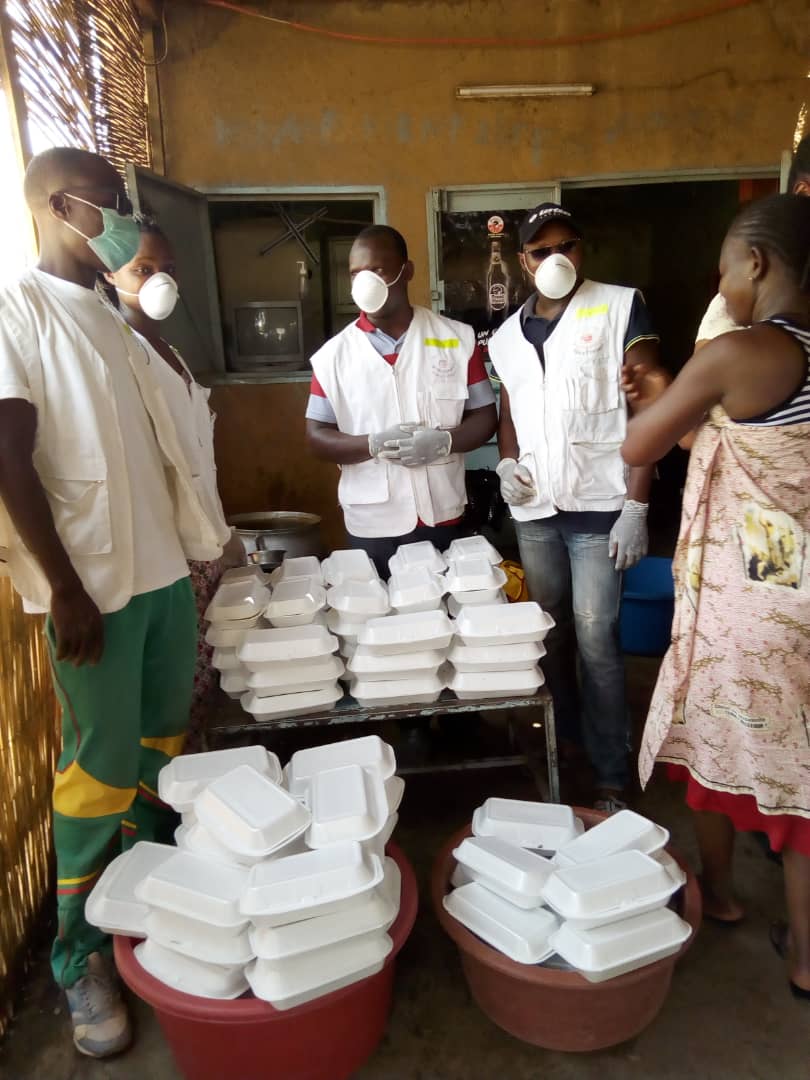
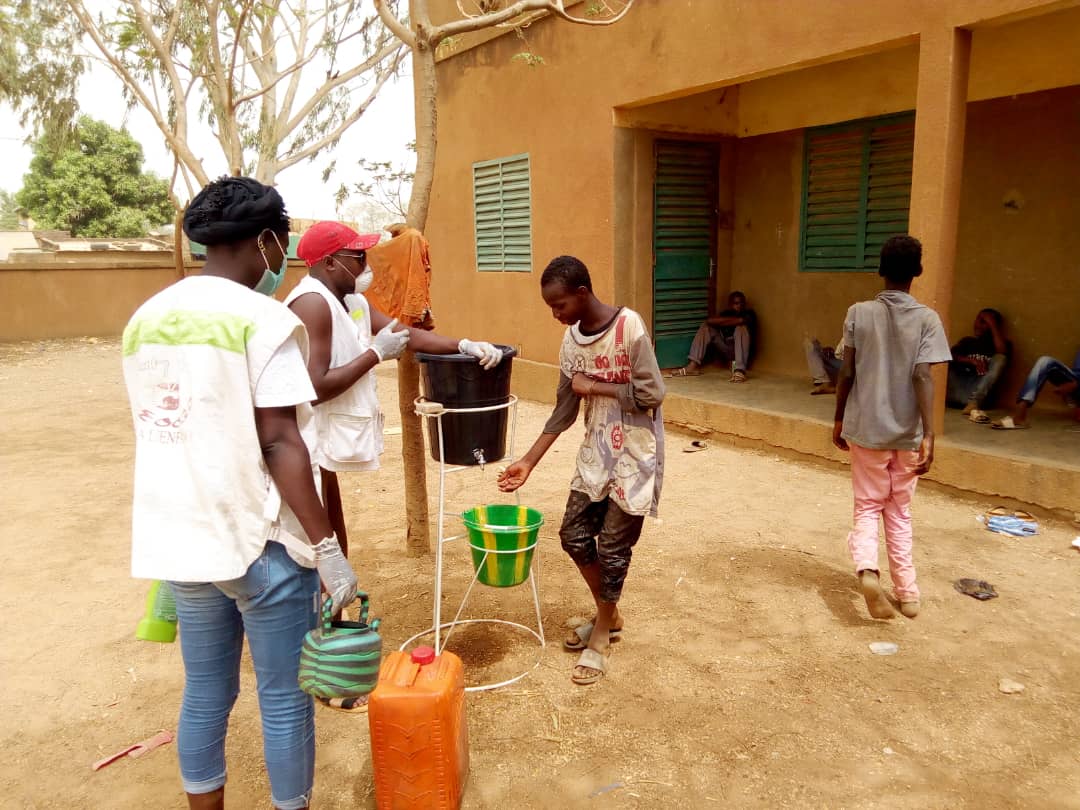
At the start of the pandemic, Keoogo put in place a number of preventative measures such as cancelling group activities, banning visitors from going to the Keoogo shelter in Ouagadougou and telling the young mothers and children living there not to go out. The mothers also attended health awareness programmes on how to protect themselves and others from Covid-19. The organisation arranged for the provision of  hydro-alcoholic hand sanitiser at the entrance to its offices as well as masks for the field team and medical staff at the Keoogo Medical Centre. 

The prevention of Covid-19 is particularly challenging for children and young people who live on the streets and rely on the informal economy for their livelihoods. Since the spread of the virus, some of them have decided to join community drop-in centres, and this has put more pressure on these facilities in terms of availability of basic supplies. Keoogo is aware that three hundred and seventy four children are living on the streets in our area and they are currently taking action to protect these children. They have strengthened the capacity of the drop-in centres by providing food, water, medicines, masks and hygiene kits that include hand sanitiser, soap and gloves for the street children and the community.