JUCONI Mexico: Reducing violence in the classroom in the city of Puebla

ICT has collaborated with JUCONI Mexico on a new project that has been designed to address the problem of bullying and anti-social behaviour in the classroom. Staff at JUCONI have been running workshops for teachers across three primary schools in the city of Puebla. The workshops, via Zoom, focus on helping teachers to build on their knowledge and skills in order to respond more appropriately to the emotional needs of their students and to develop safer classroom environments in order to minimise poor behaviour and improve the quality of teaching and learning. Three hundred and sixty children aged between 6-12 years old are expected to benefit from this project. To date, thirty-six teachers have attended and a new group of eighteen teachers is about to start. Each workshop consists of seven, two hour sessions. 

As a result of the workshops, JUCONI staff have also been called upon to provide immediate support to teachers who have encountered difficulties with their students during online classes.

JUCONI Ecuador: Adapting community safe spaces for children to play and learn

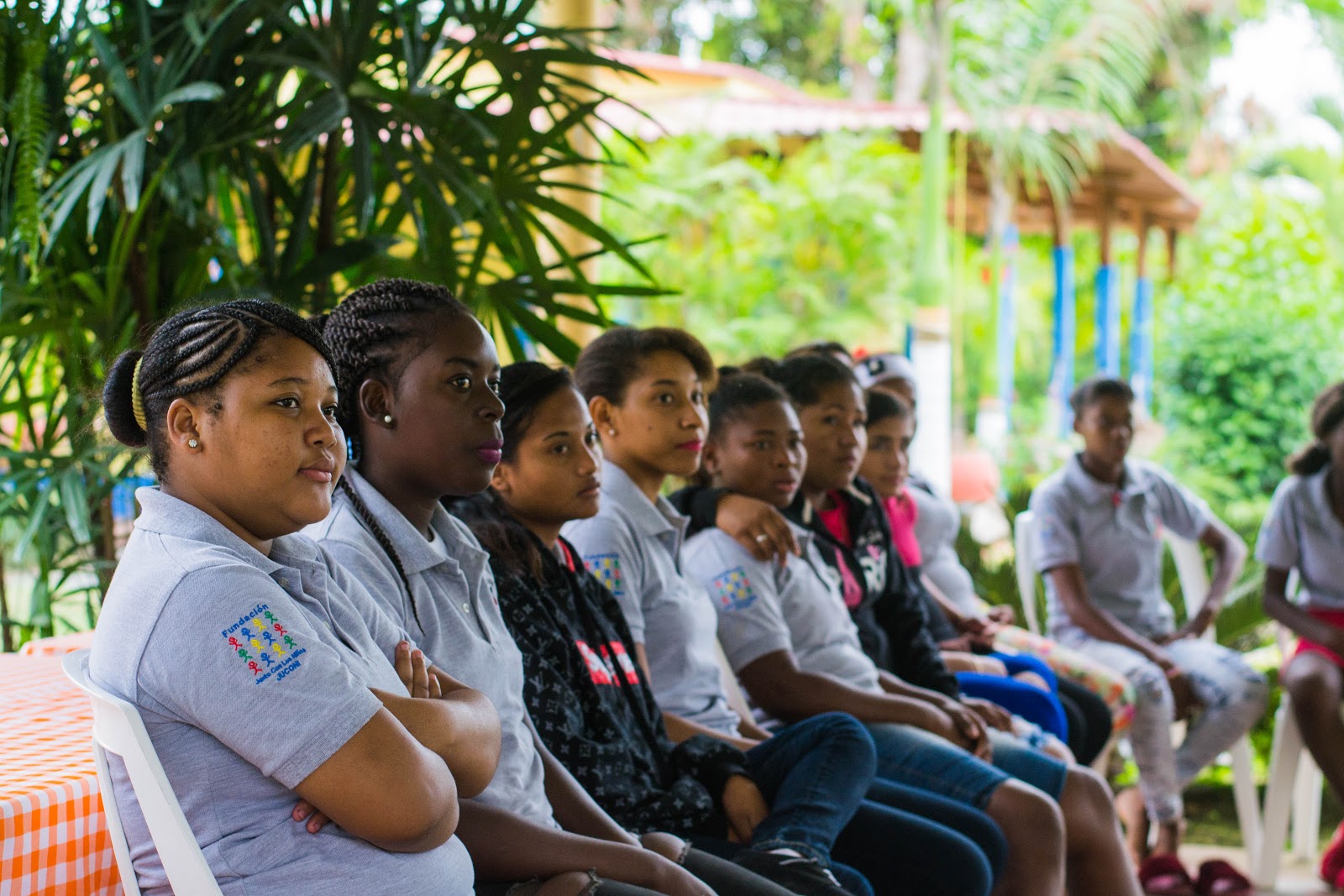
After full lockdown in 2020, the community intervention work carried out by the team at JUCONI Ecuador, in both Socio Vivienda 2 and San Francisco, has resumed at different times of the day. Initially, groups of ten, then fifteen children, were able to attend meetings outside that gave them the opportunity to express the emotions that they had experienced during the months of confinement. This feedback also helped staff to identify protection strategies in cases where the children felt that they remained in danger due to COVID-19. 

The children were very happy when they returned to their community ‘safe space’ for these meetings, because until then, it was the only place where they had been allowed to go outside their homes. In total, one hundred and eighty-eight boys and girls attended meetings and activities with their peers, as well as thirty two parents at community level and fifty teachers.

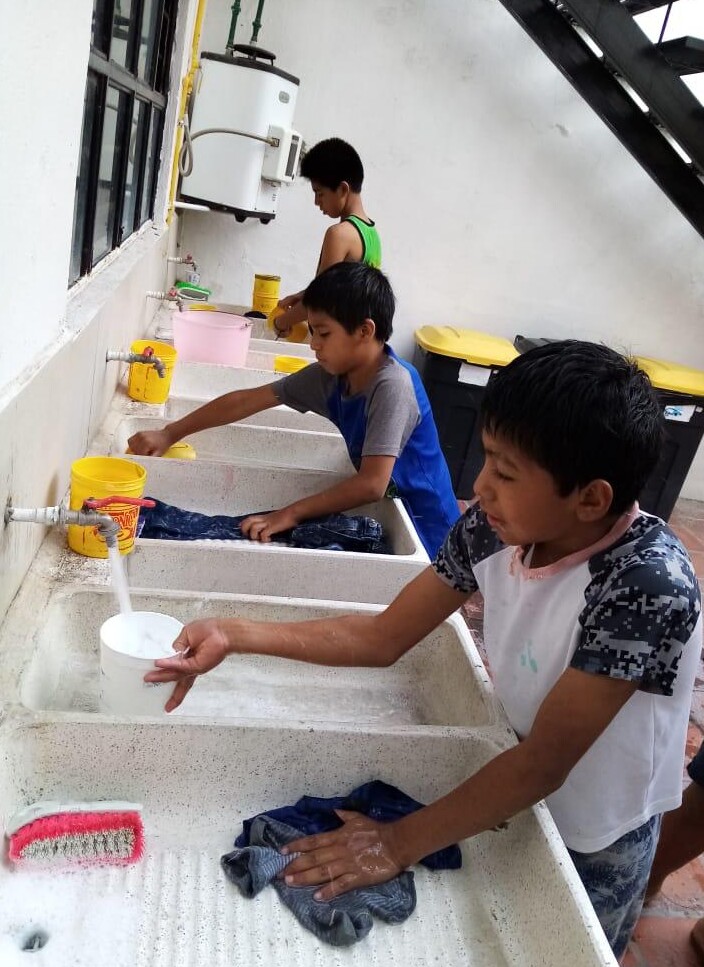
In the past, there were no community safe spaces in Socio Vivienda 2 and San Francisco, so JUCONI staff have had to find and adapt available land. In Socio Vivienda 2 for example, a field has gradually been adapted that now includes a roof to protect the children from the sun and wash basins to promote hand washing hygiene. Post lockdown, parents were also committed to helping to clean up this space and to make small changes so that their children could attend the workshops again.

JUCONI Mexico: Delivery of safe and quality health services for vulnerable children in Puebla

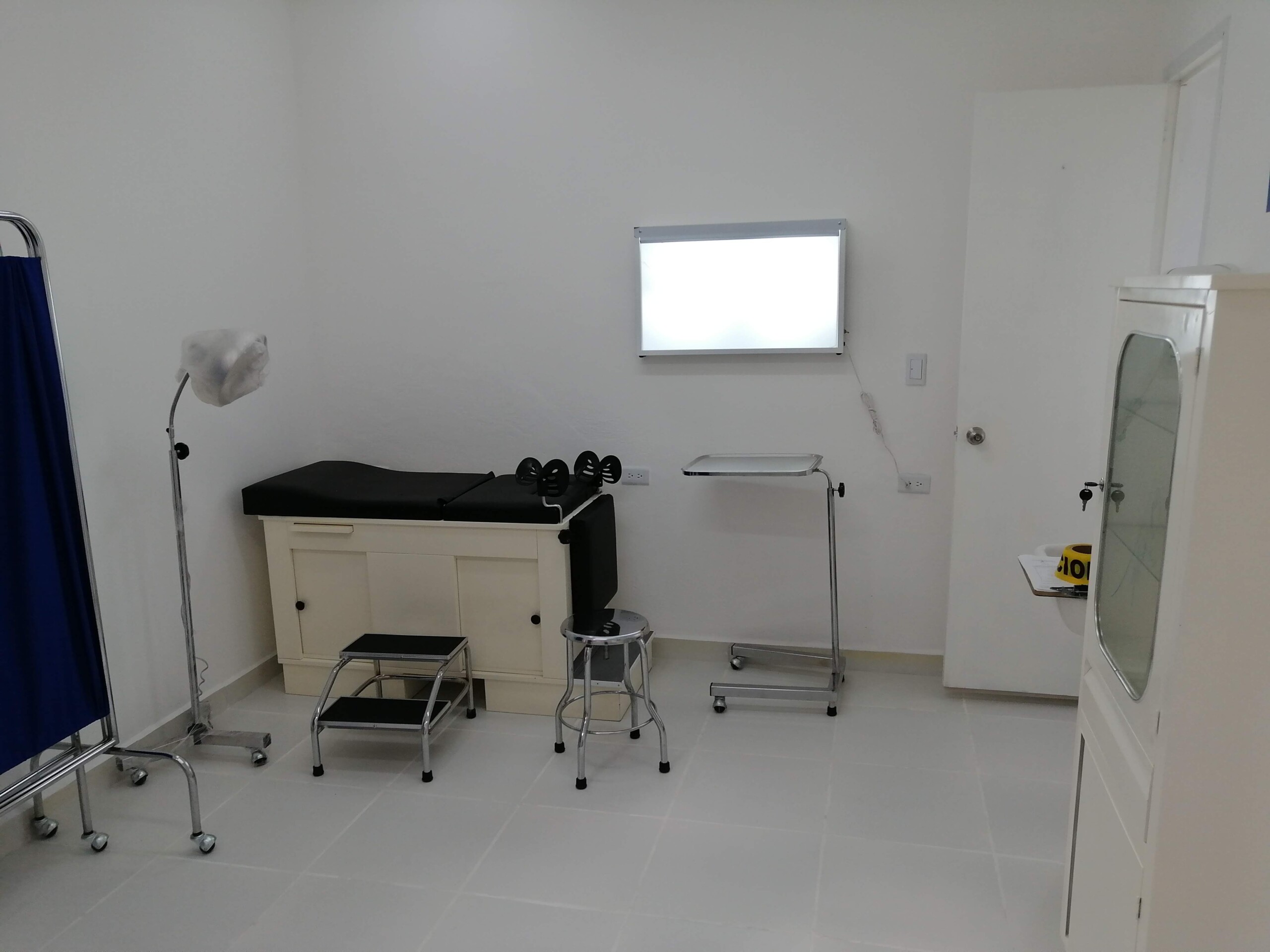
The current situation in Mexico is complicated by the number of infections and deaths from COVID-19; and in Puebla the situation is no different. Due to the lockdown in March, contingency plans in relation to the delivery of health services were activated, and the JUCONI team continued to offer one to one medical appointments to the children and young people on the programme, in the newly refurbished health clinic. Information about how to stay healthy was promoted and medical problems were followed up on a monthly basis with the children and young residents; plus more than fifty extra appointments were offered to residents and families. Personal Protective Equipment was also provided to children, young people and health workers. However, since May, due to an increase in infections in Puebla, all medical follow-ups with families on the programme have had to be carried out remotely, either by phone or video calls.  

During this period, we have also run health campaigns and given talks for all those served by the programme. The topics covered have included Covid-19 and Personal Hygiene.

JUCONI Ecuador: Together with children in the time of Covid-19 in Guayaquil

The Government of Ecuador introduced lockdown measures in March due to the Covid-19 pandemic. Staff at JUCONI took a number of steps to adapt its model of psycho-social care in order to support children during a period when they could be dealing with a fear of death and the loss of family members. A protocol was developed that allowed communication to continue via phone calls, WhatsApp and Zoom. This enabled the team to remain in contact with  the children and families on the programme and to continue to carry out a variety of  care activities.

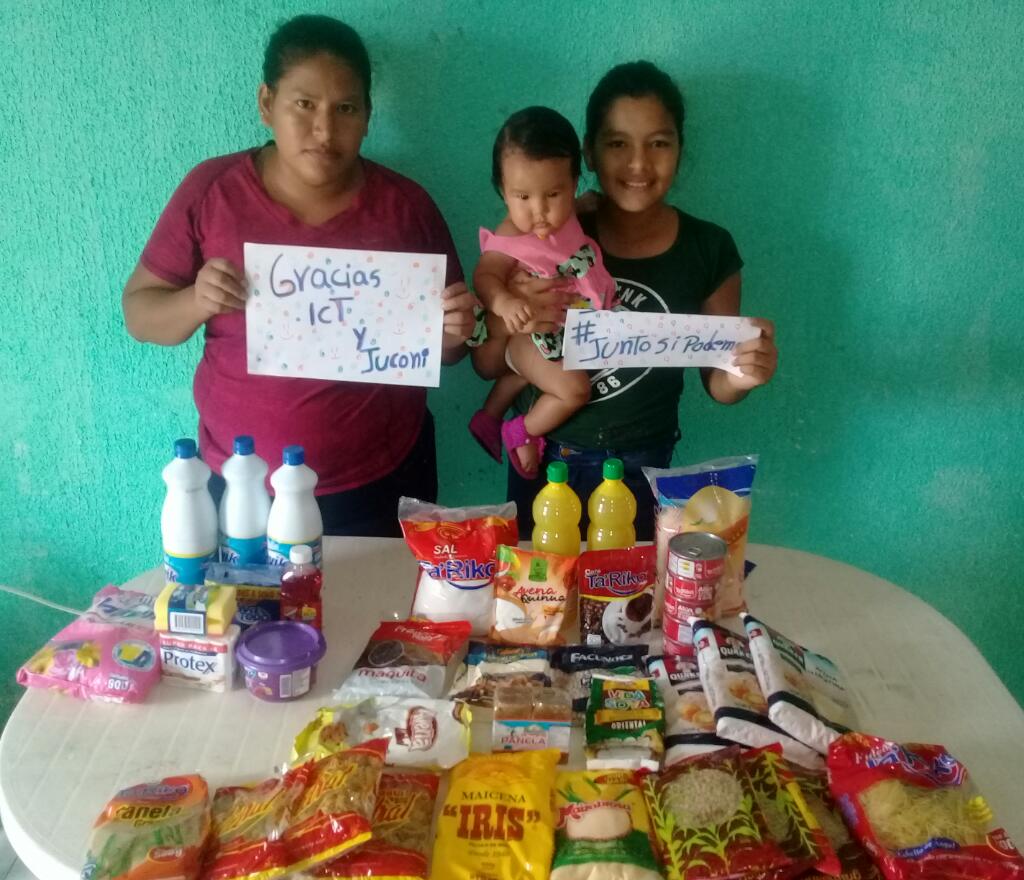
The suspension of income-generating activities as a protection against Covid-19, impacted strongly on these families, as many heads of households are mothers and senior citizens who are employed in informal work. We continued to provide humanitarian assistance and food baskets to them which made an important contribution in ensuring that the children living in these households were fed.
After the confinement measures were suspended, face-to-face activities in our sectors in northwestern Guayaquil resumed on July 16th. These included  home visits for psycho-social and therapeutic intervention sessions, as well as the use of safe spaces for discussions about the prevention of domestic violence and drug abuse.

Access to food and essential supplies during the Covid-19 pandemic.

Ecuador

The city of Guayaquil in Ecuador is one of the worst hit areas in the southern part of the Americas. Official figures suggest that thousands have died mainly due to an overwhelmed and ill-equipped health care system, in addition to the challenges that poor and crowded communities face in respect to social distancing.

To help with the Covid-19 response, staff at JUCONI Ecuador continue to deliver our programme via telephone calls to the children and families who we are supporting. We have also been able to transport food, hygiene kits and medicines to these families as their income largely depends on an informal economy. 

To date, only one case of Covid-19 has been reported among the seventy two families who we help. This is a very good outcome considering the level of poverty and the challenging socio-economic environments in which these families live. This result was achieved because we were able to run a comprehensive hygiene promotion programme at the beginning of March.

Mexico

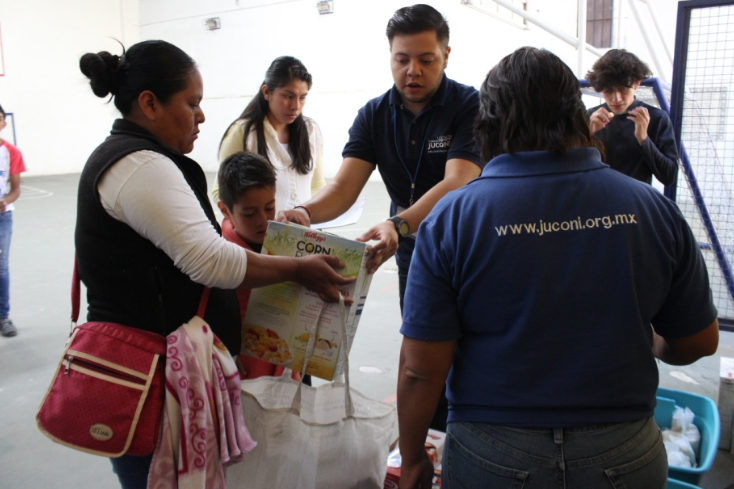
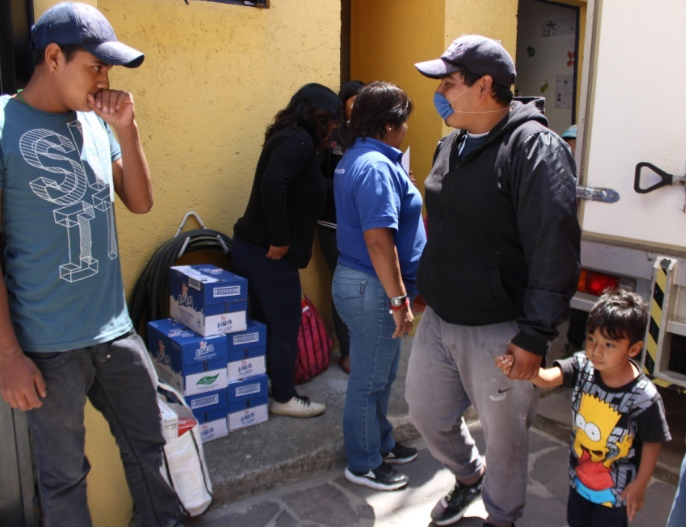
The current health crisis has also put the poor communities that we serve in Puebla, under economic pressure. For this reason, and as part of the care provided by JUCONI, we have distributed food to help families cope with the situation.

A Success Story from JUCONI Ecuador.

At the age of eight, Carolina started begging on the streets of her neighbourhood in order to escape a hostile family environment. After a while, she was spending so much time on the streets that she almost ended up living there.

Workers from JUCONI Ecuador established their first contact with Carolina when she was ten years old. They rescued her from a group of child traffickers by getting her a place in a children’s home where she had regular sessions with a children’s counsellor employed by JUCONI. At the same time the team also worked towards putting Carolina in touch with her family again, in an attempt to restore the bond between them. After two years of intervention and support through JUCONI, Carolina finally returned to live with her family.

Carolina is currently attending a high school for children with special educational needs. She is a friendly, sociable girl who enjoys studying and is positive about what she has achieved, despite everything that has occurred in the  past – “I am proud of myself as I am not the street child that I was before. I like the fact that I am studying.”

Carolina is also now part of a group of youth leaders within her community and loves to participate in events which focus on helping other children to overcome traumatic situations such as child labour, substance abuse and violence.

The Importance of a Biscuit

Photo of boys making biscuits in the JUCONI workshop

What impact can a small shortbread or an oat biscuit have on a child? He does not eat it. He does not sell it. But, in these biscuits, he is receiving skills that will help him forge a career for himself in the future.

In a small workshop a short walk away from the JUCONI Youth House in Puebla, Mexico, the youth have the opportunity to make biscuits that are sold to a local company. Vocational and skills training has become an important part of many international development initiatives, but JUCONI continues to set itself apart.

The boys are not part of a new generation of bakers. In fact, the baked biscuit is barely important. It is the process that is important, not the product.  The boys are being encouraged to develop strong work ethics, to understand employee-employer relationships, to have the ability to create a CV, and to have a strong attention to detail in all of their work.  The boys’ participation is not automatic, but must be earned through good behaviour and positive development.

In this environment, the boys are setting their own paths in careers that they are interested in and passionate about. They are developing the tools that will set them apart for employers.

Through Joe’s Eyes: JUCONI Ecuador

Photo of Joe playing football with some boys at JUCONI Ecuador

In December, Nicola (one of our team members) was visiting our project with JUCONI Ecuador in Guayaquil.  Supporting street children and their families, she had the opportunity to witness therapeutic sessions with parents and children in their homes, visit the schools that JUCONI works with, and to share in the fun and games of the children’s Christmas party. At the party, she had a chance to catch up with Joe Amiri who is currently working with JUCONI and ask him a few questions…


What inspired you to work with children?

I am a volunteer with the Peace Corps who send volunteers to various organisations around Ecuador to serve for two years. My time with JUCONI has been one of the most incredible experiences for any volunteer. I wanted to work with disadvantaged children and their families to help those who need it most but to also establish a good support system for them in the future.

What is so unique about JUCONI is that the work we do is sustainable. One of my first friends in Guayaquil was a kid in the community. While many of the adolescents were timid and shy around the bearded gringo, he always wanted to talk to me and was curious about my life. Months later I discovered that he had actually been part of the JUCONI therapy process with his family when he was four. That early intervention by JUCONI brought him through college and he is a role model in the community.

What aspects of your work do you enjoy most?

The work JUCONI does is so different from many organisations that I have come across in my life. Many have a centre for people to receive services, but JUCONI actually visits each family in their homes to provide therapy each week. Going to each family and getting to know their community shows us more about the reality these families live in. I joke with a co-worker that we are unofficial mayors of Socio Vivienda, one of the communities we work in, because we cannot walk one block without hearing our names.

What do you enjoy least?

The hardest part of my work is saying goodbye at the end of each day. As a member of the community development team, we are spread thin so we only visit each of the four communities once per week. It is hard giving that last high-five to a child in Socio Vivienda and having to wait seven days to see them again.

What have you learnt during your time with JUCONI so far?

I have grown so much professionally and personally. When working in the communities, I can see what a bright future the world has.  Seeing how much positive change can come from small actions like youth groups, art clubs or sports club, I am looking forward to seeing what is next for these kids. Each kid really needs a space where they can be themselves and grow as individuals.

When I am not in the communities, I help with the development side of the organisation by promoting corporate social responsibility. It is wonderful to see how much people, such as those who donate through the International Children’s Trust, really care about the world and want to make it a better place. People love to help, they just sometimes don´t know how.

Passing of Alison Lane

Photo of Alison Lane OBE, former Director of JUCONI Mexico

It is with a great deal of sadness that we learnt of the passing of Alison Lane on the 11th July.  Alison was the director of our partner organisation JUCONI in Mexico.  JUCONI have been dedicated to rehabilitating street and working children in Puebla and Alison was instrumental in pioneering the techniques established there by Gabriel and Sarah Thomas De Benitez. Having led JUCONI for 25 years, she will always be remembered for her strength in championing the rights of vulnerable children.

Alison’s sudden death shocked many people who had known or met her over the last 25 years.  Having previously been awarded an OBE for her work, her death as a result of a spider bite generated attention in the national press back here in the UK.

While her death was sudden and untimely, her family, friends, and colleagues had the opportunity to also celebrate her life on the 20th August at a memorial service held in Puebla (where she had worked and lived for many years).  While we were unable to attend the memorial service, we were given a chance to send a video message on behalf of all at the ICT.  It is special to think of how many people throughout the world that Alison Lane was able to touch with her work.

Please keep Alison’s children and family and, of course, the staff and trustees of JUCONI in your thoughts over the coming months.